Quote · Added 8 September 2024
Beer, if drunk in moderation, softens the temper, cheers the spirit and promotes health.
Filed underbeer·moderation·health
Quote · Added 8 September 2024
Filed underbeer·moderation·health
There's something refreshing about Jefferson's straightforward take on beer—he's not moralizing or pretending alcohol doesn't exist. He's just observing what he actually saw: a drink that, in reasonable amounts, seemed to help people relax and connect. That clarity matters because we've swung so far into either celebrating drinking culture or condemning it that we've lost the middle ground where most people actually live.
The phrase "softens the temper" is worth sitting with. When you're wound tight—frustrated at work, stuck in an argument, or just carrying the day's weight—there's a real physiological shift that happens with a single beer or glass of wine. It's not about getting drunk; it's about the body's parasympathetic nervous system kicking in, the shoulders dropping an inch. Modern wellness culture wants you to meditate or journal your way to that state, which works, but it also requires discipline. Sometimes a simple, social drink does the same thing without the performance.
The catch, of course, is the moderation part—the one phrase we conveniently skip over. Not because it's boring, but because moderation is invisible. It doesn't feel like anything special. It's just another evening where you stop at one or two, and nothing dramatic happens. Which is exactly why it's easy to forget it matters.
1743–1826·lived 83 years
Thomas Jefferson was an American Founding Father who served as the third President of the United States from 1801 to 1809. He is best known for being the primary author of the Declaration of Independence and for his advocacy of democracy, republicanism, and individual rights. Jefferson also founded the University of Virginia and was a prominent architect, inventor, and philosopher.
Also by Thomas Jefferson
I believe that every human mind feels pleasure in doing good to another.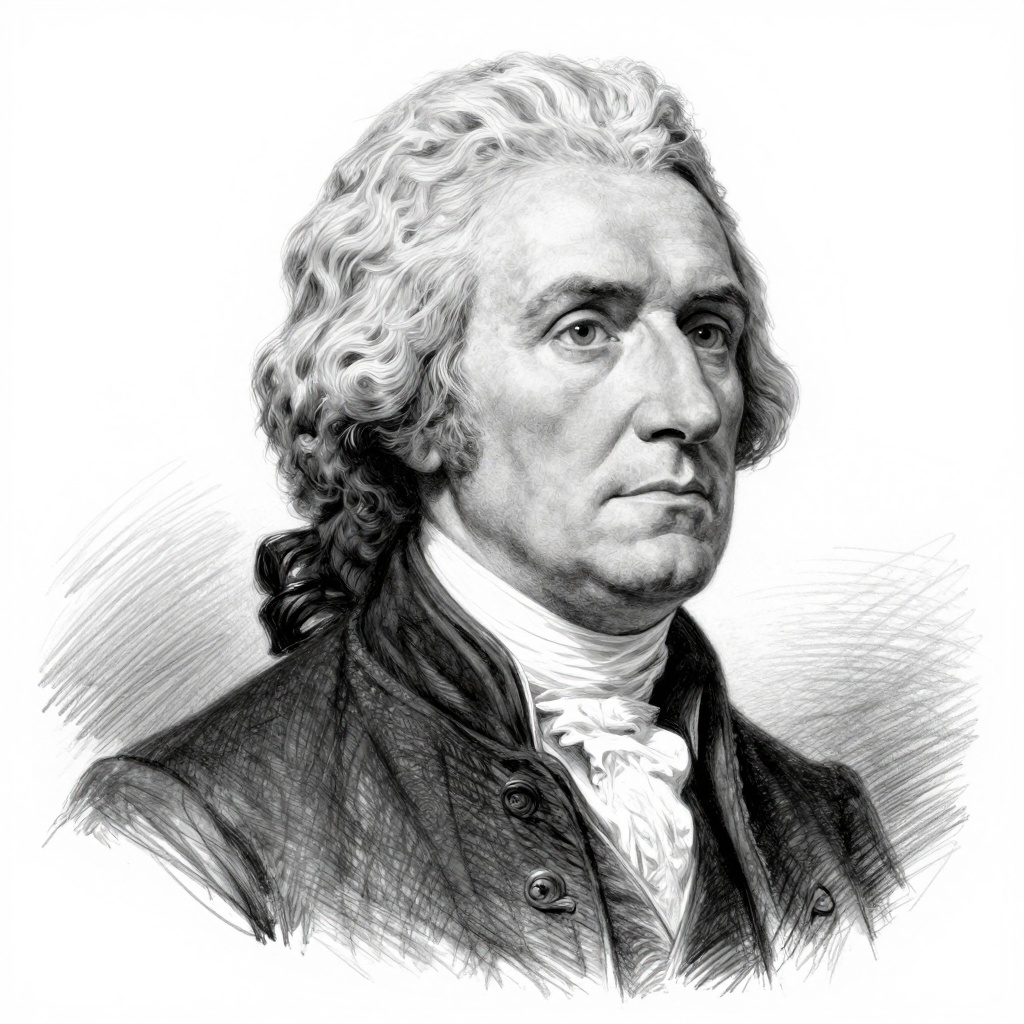
Comments