Quote · Added 14 February 2026
If, then, you are looking for the way by which you should go, take Christ, because He Himself is the way.
Thomas AquinasSumma Theologica, Part III, Question 62, Article 5
Quote · Added 14 February 2026
Most of us know the feeling of being stuck—standing at a crossroads wondering which choice matters, which path won't waste our lives. We collect advice, weigh options, create pros-and-cons lists. But Aquinas points to something stranger: that the answer isn't usually found in a map or method, but in following a person. The direction we need isn't primarily about getting somewhere. It's about who we're becoming while we go.
This reframes a problem many of us face. We think clarity means having all the information, knowing exactly where we'll end up. But Aquinas suggests something almost paradoxical—that the way is less about destination and more about alignment. When you orient yourself toward someone whose values, priorities, and character you actually trust, the individual decisions start making more sense. You stop asking "Will this work?" and start asking "Is this consistent with who I want to be?"
That shift changes everything. It means getting lost isn't the real danger. Drifting without any true north—without anchor to something or someone that matters deeply—that's when we wander without direction. Whether you read this religiously or more broadly, the insight holds: purpose isn't always found by looking ahead at the map. Sometimes it's found by deciding who you're following.
1225–1274·lived 49 years
Thomas Aquinas was a renowned Italian Dominican friar, philosopher, and theologian who lived in the 13th century. He is best known for his influential works in natural theology, such as the Summa Theologica, where he sought to reconcile faith and reason. Aquinas is considered one of the greatest Christian theologians and philosophers of all time.
Also by Thomas Aquinas
Love takes up where knowledge leaves off.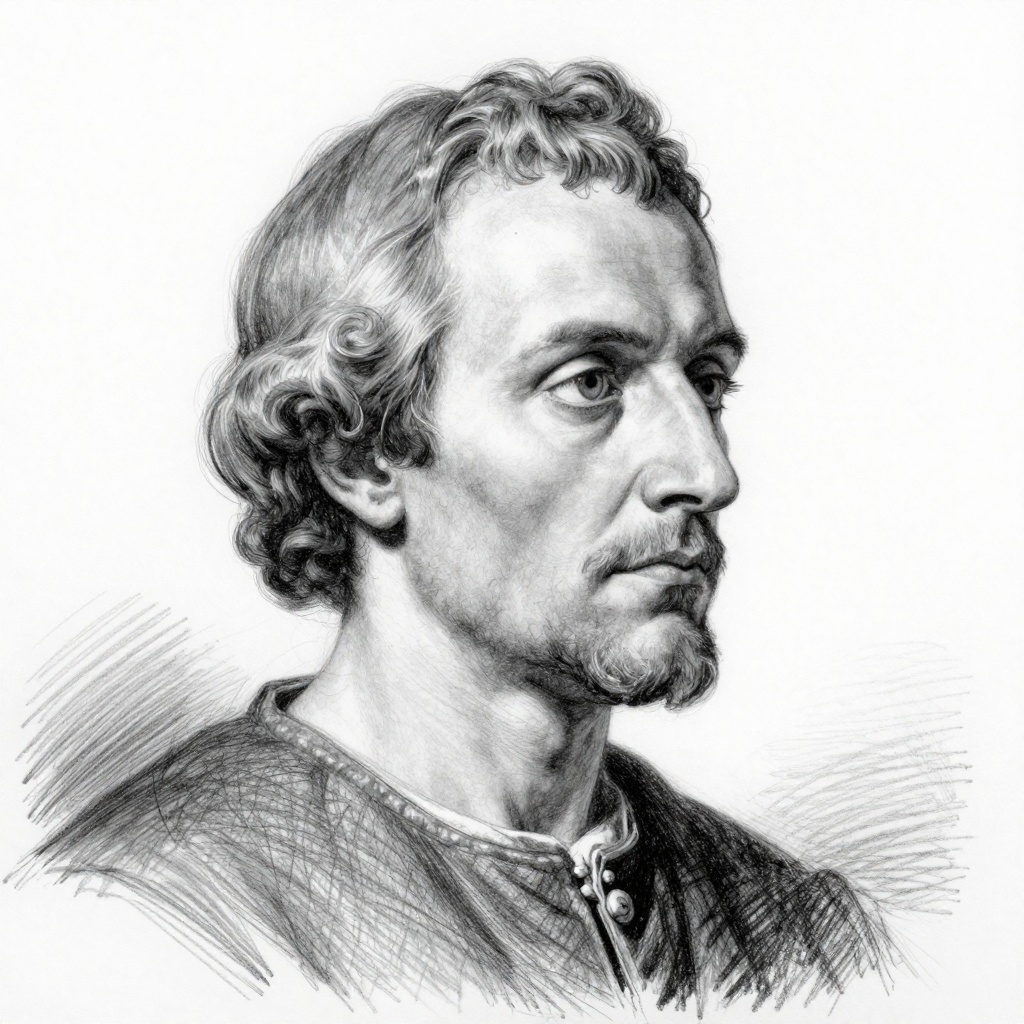
Comments