Quote · Added 14 February 2026
The test of the artist does not lie in the will with which he goes to work, but in the excellence of the work he produces.
Filed underart·excellence·effort
Quote · Added 14 February 2026
Filed underart·excellence·effort
We live in an age obsessed with intention and effort. We celebrate people for "trying their best" and "showing up," even when the actual results are mediocre. This quote cuts through that sentimentality by reminding us that good intentions are just the starting point, not the finish line. An artist—or really, anyone doing work that matters—has to actually deliver something worth experiencing.
The counterintuitive part is that this takes pressure off in a strange way. You don't need to agonize endlessly about your motives or whether you're "meant" to do something. You just need to do the work and make it good. A surgeon who operates with perfect compassion but shaky hands hasn't passed the test. A teacher who genuinely loves their students but can't explain concepts clearly hasn't either. Results matter because other people have to live with them.
This doesn't mean intention is worthless—it usually correlates with quality. But it means self-righteousness about trying hard is a trap. The real question isn't whether you cared or how hard you struggled. It's whether what you made actually works, actually helps, actually moves someone. That's a humbling and clarifying standard.
1225–1274·lived 49 years
Thomas Aquinas was a renowned Italian Dominican friar, philosopher, and theologian who lived in the 13th century. He is best known for his influential works in natural theology, such as the Summa Theologica, where he sought to reconcile faith and reason. Aquinas is considered one of the greatest Christian theologians and philosophers of all time.
Also by Thomas Aquinas
Love takes up where knowledge leaves off.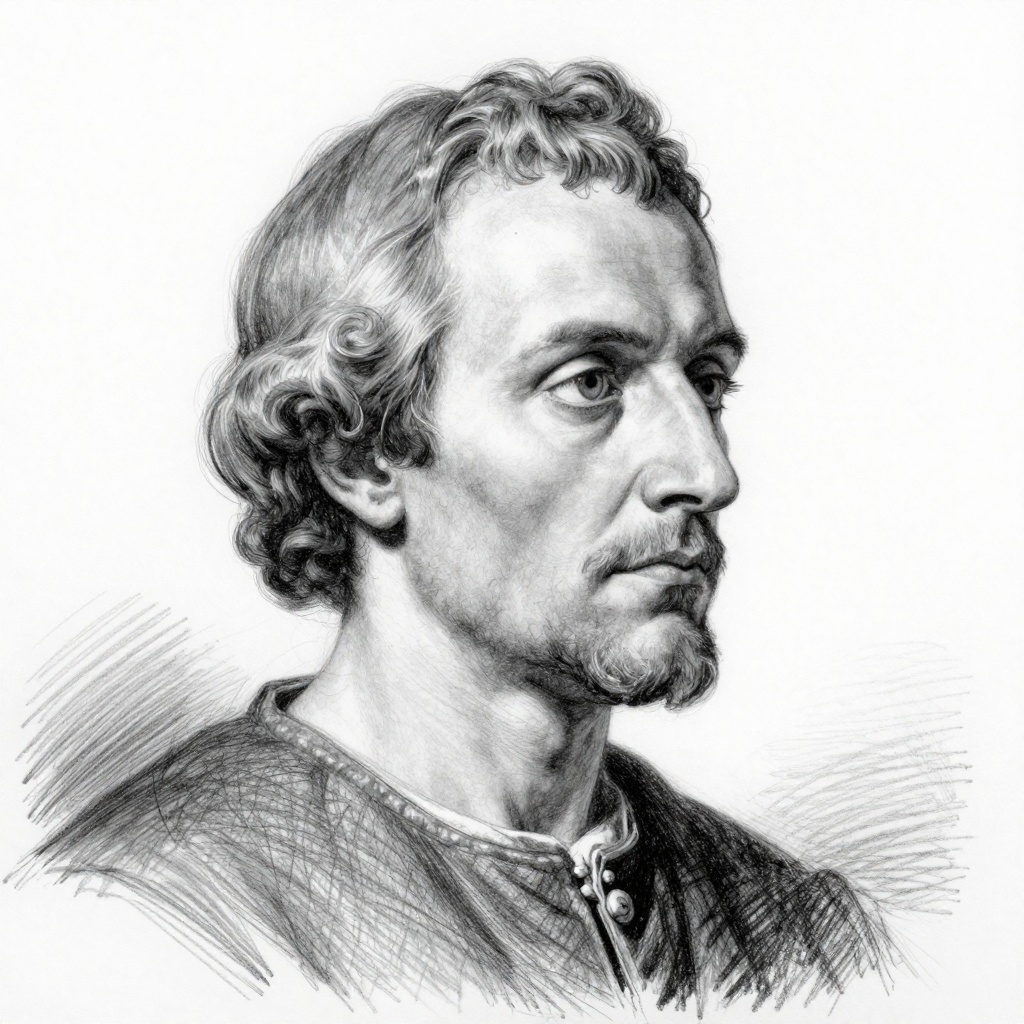
Comments