Quote · Added 14 February 2026
Speak softly and carry a big stick; you will go far.
Theodore RooseveltLetter to Henry L. Sprague, January 26, 1900
Quote · Added 14 February 2026
There's a version of quiet confidence that has nothing to do with being meek or invisible. Roosevelt's famous line captures something real about power that we often get backwards: the people who actually accomplish things tend to be less interested in announcing themselves and more focused on building actual capability first.
Think about the person in your office or friend group who everyone respects without quite knowing why—they don't dominate conversations, but when they speak, people listen. That's not because they're naturally charismatic. It's because they've quietly built expertise, reliability, or skills that matter. Their restraint isn't weakness; it's confidence. They don't need to prove anything constantly because their work does that for them. Meanwhile, the constant talker who broadcasts every small accomplishment? We tune them out almost automatically.
The "big stick" part isn't about aggression—it's about substance. The softly-spoken part isn't about passivity; it's about not wasting energy on self-promotion. This actually inverts what we see in social media culture, where everyone's encouraged to be loud, constant, and visible. But some of the most effective people around us operate differently entirely: they show up prepared, follow through on promises, and let results speak first. That quiet authority is rarer now, which probably makes it more valuable.
1858–1919·lived 60 years
Theodore Roosevelt (1858–1919) was an American statesman, author, explorer, soldier, and naturalist who served as the 26th President of the United States from 1901 to 1909. Known for his progressive policies, trust-busting efforts, conservationism, and contributions to foreign policy, he was a larger-than-life figure in American history.
Also by Theodore Roosevelt
The nation behaves well if it treats the natural resources as assets which it must turn ov...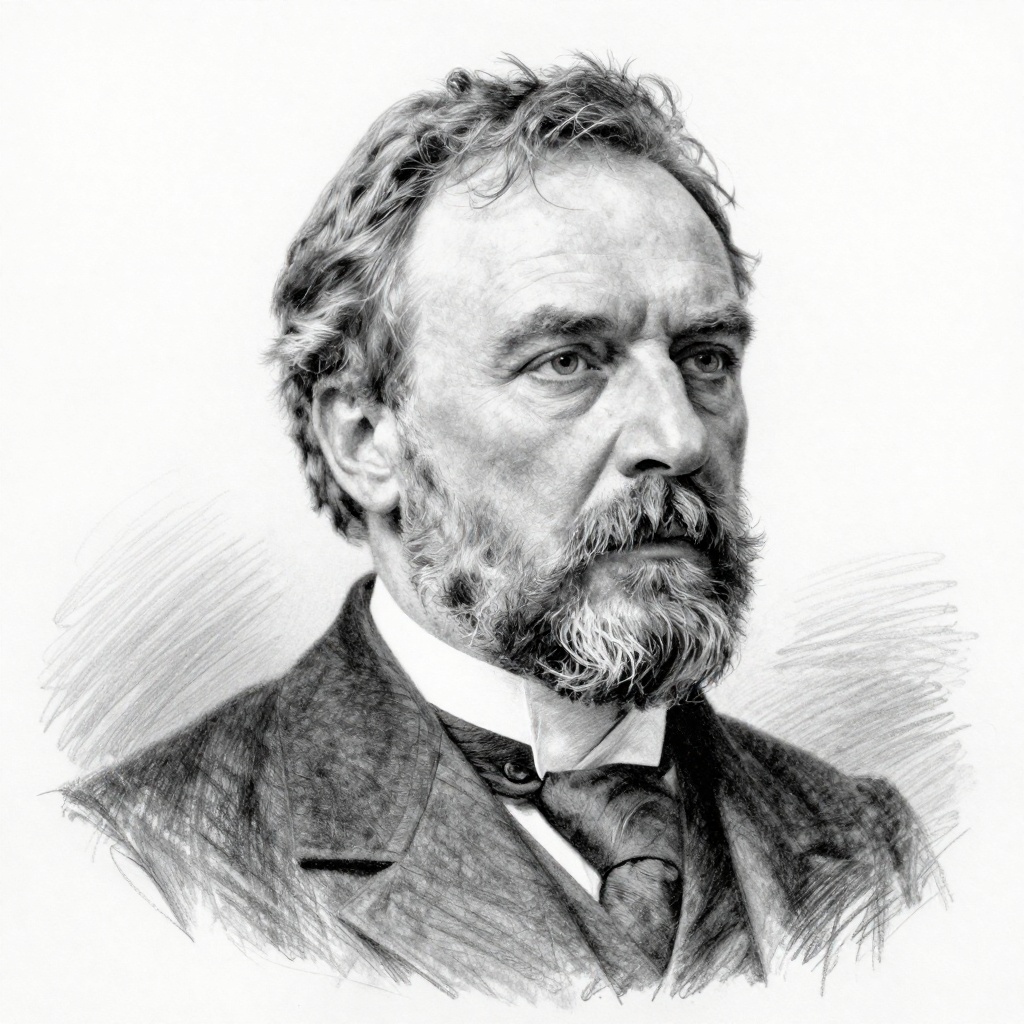
Comments