Quote · Added 27 December 2023
Speak softly and carry a big stick.
Theodore RooseveltLetter to Henry L. Sprague, January 26, 1900
Quote · Added 27 December 2023
There's a particular kind of power that doesn't announce itself. When you walk into a room and immediately raise your voice or demand attention, people assume you're desperate for it. The person who speaks quietly but clearly? Everyone leans in. That's the dynamic this saying captures—and it applies far beyond politics or physical strength.
In everyday life, this plays out in how we handle conflict, set boundaries, or push back against unfairness. Someone who threatens, complains loudly, or constantly reminds others how capable they are often gets less respect than someone who simply does what they say they'll do, keeps their word, and speaks only when it matters. The "big stick" isn't really about domination; it's about having your act together enough that you don't need to perform toughness. You've already earned credibility through action.
The tricky part is resisting the modern instinct to broadcast everything. We're surrounded by noise, so silence can feel like weakness. But there's an elegant confidence in quiet competence—in being someone whose presence carries weight without needing to announce it. That's the real lesson: develop your actual strength first, then you won't need to shout about it.
1858–1919·lived 60 years
Theodore Roosevelt (1858–1919) was an American statesman, author, explorer, soldier, and naturalist who served as the 26th President of the United States from 1901 to 1909. Known for his progressive policies, trust-busting efforts, conservationism, and contributions to foreign policy, he was a larger-than-life figure in American history.
Also by Theodore Roosevelt
The nation behaves well if it treats the natural resources as assets which it must turn ov...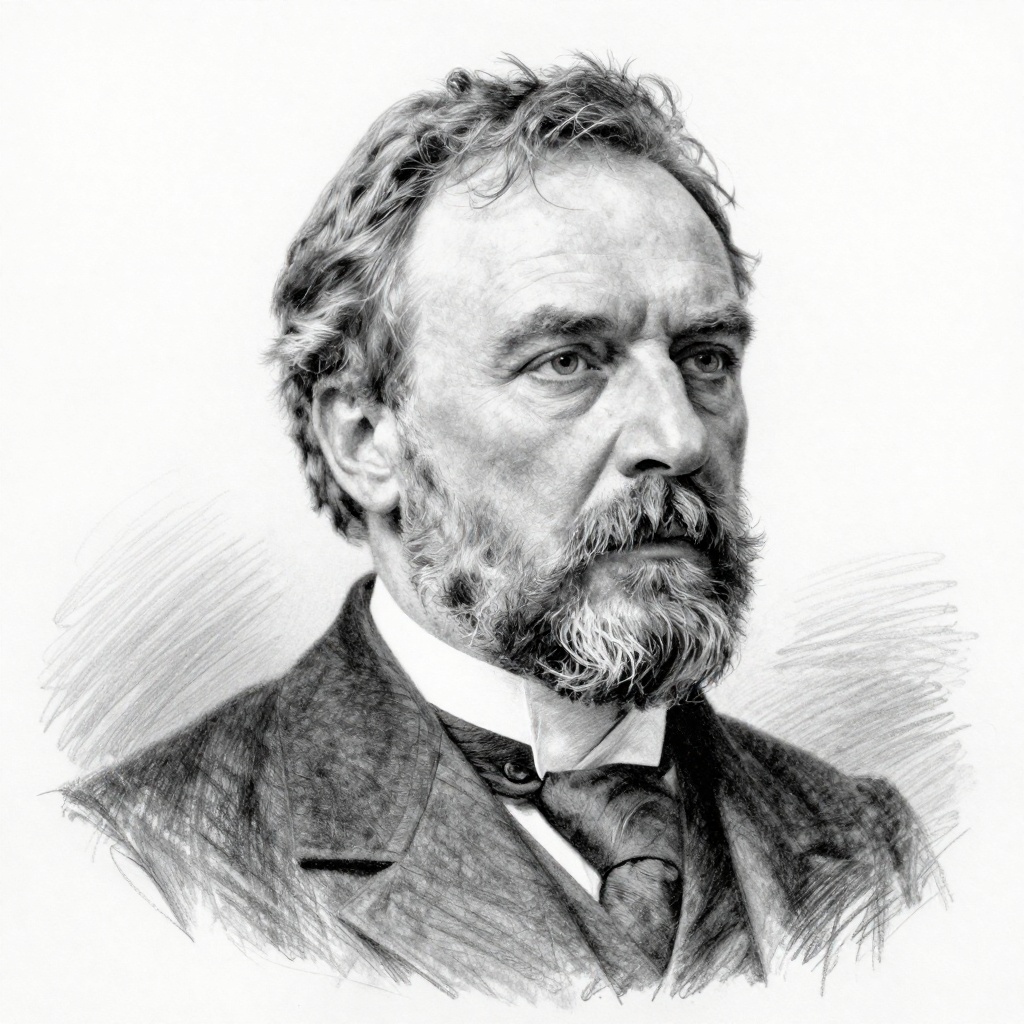
Comments