Quote · Added 14 February 2026
If we must die, we die defending our rights.
Sitting BullPeace Resource Project
No ratings yet
Quote · Added 14 February 2026
There's a difference between accepting defeat and choosing which battles define you. Sitting Bull wasn't saying death is preferable to compromise—he was naming something people feel when they're pushed past a certain point. It's the moment you realize that losing your dignity while staying alive isn't actually survival at all.
We see this tension everywhere now, just at different scales. Someone stands up to a boss who's crossed a line, knowing it might cost them the job. A parent sets a boundary with family even though it means painful distance. A community refuses to abandon a value even when the cost is high. The underlying logic is the same: there are things that stop being worth keeping if you have to surrender yourself to keep them.
The tricky part—and this is where Sitting Bull's words get complicated—is knowing the difference between a genuine line and stubborn pride. Not every stand is worth the price. But somewhere inside most of us, we recognize that world where we've compromised on everything, where we're technically alive but not really living as ourselves. His quote cuts to that recognition. It names the moment when staying small feels like its own kind of dying.
1831–1890·lived 59 years
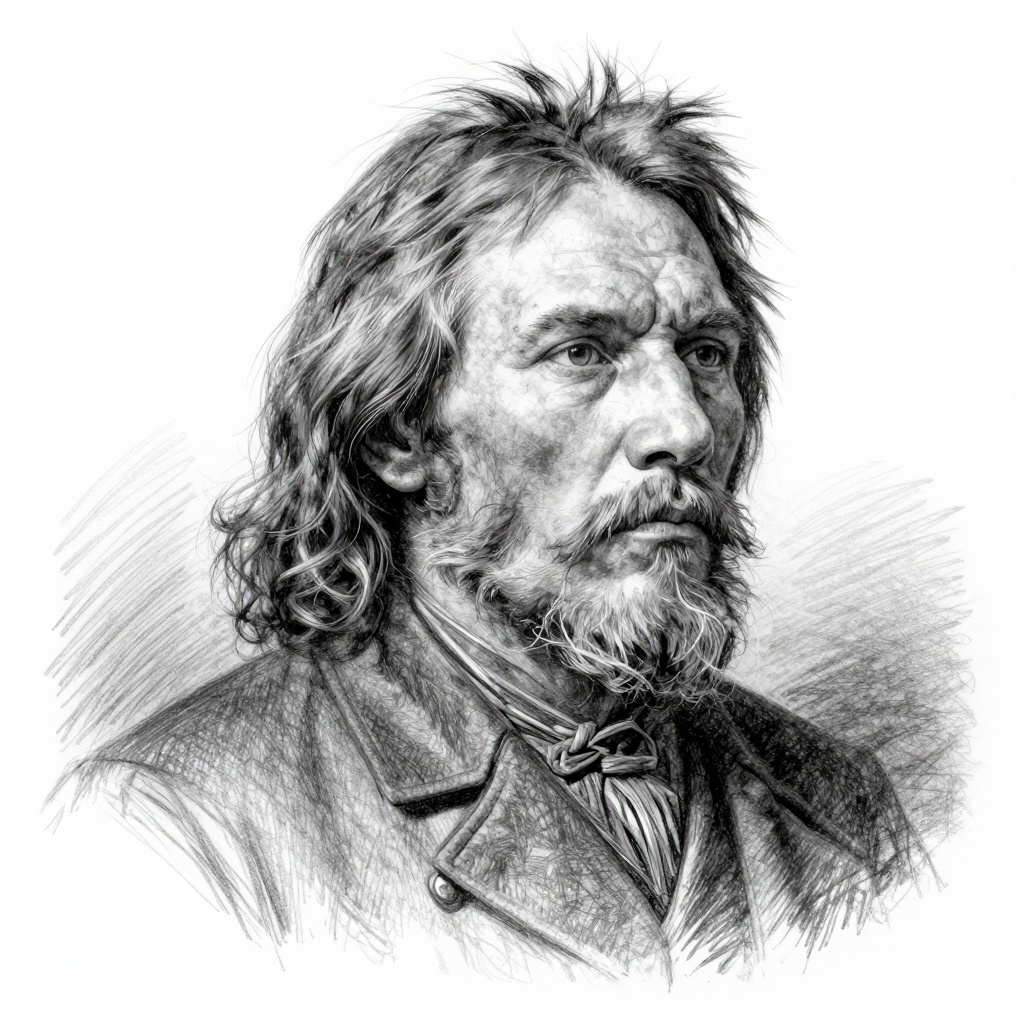
Sitting Bull (c. 1831-1890) was a Hunkpapa Lakota Sioux leader and medicine man known for his role in resisting U.S. government policies and military actions against Native American tribes. He is best remembered for his leadership during the Sioux Wars and his crucial role in the victory at the Battle of Little Bighorn in 1876. Sitting Bull was also a symbol of Native American resilience and sovereignty, later touring with Buffalo Bill's Wild West show before his death.
Comments