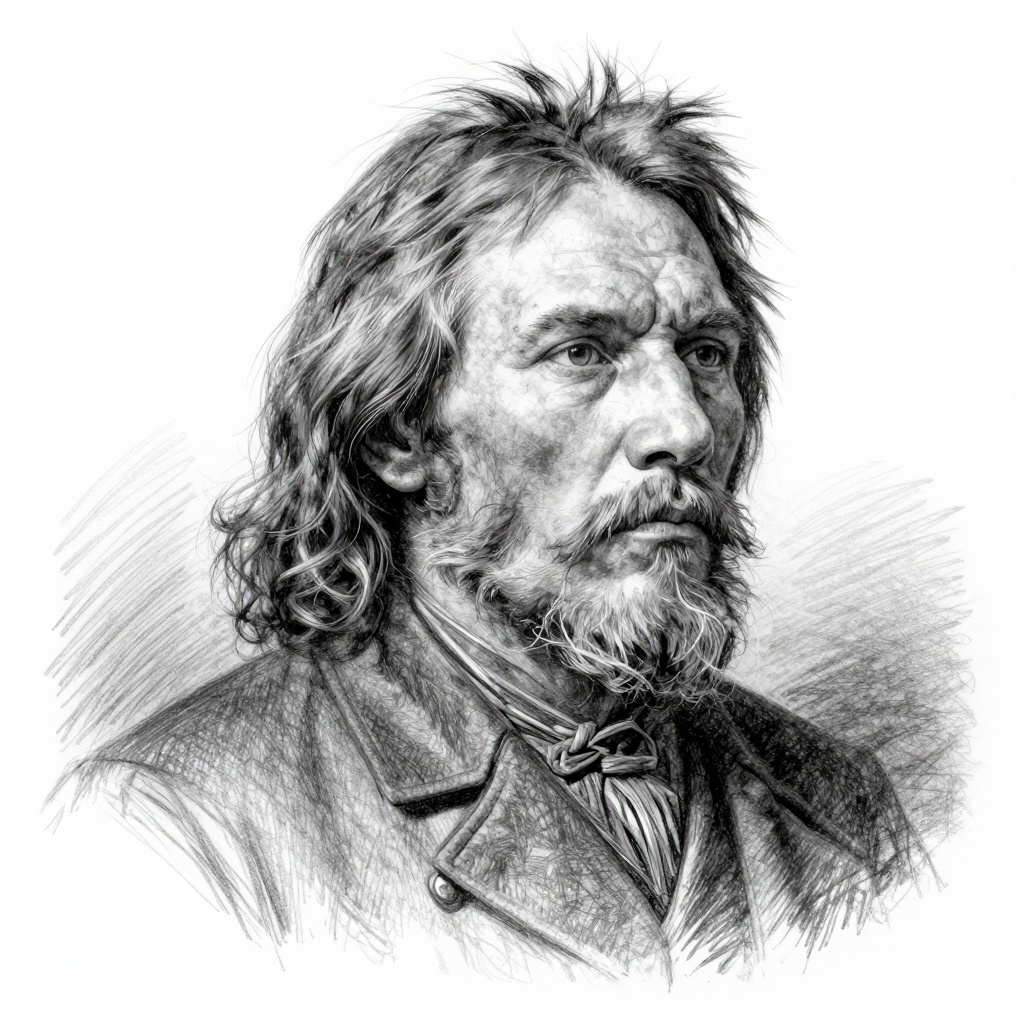
Behold, my friends, the spring is come; the earth has gladly received the embraces of the sun, and we shall so... — Sitting Bull

Behold, my friends, the spring is come; the earth has gladly received the embraces of the sun, and we shall soon see the results of their love!

Author: Sitting Bull

Insight: There's something almost shocking about reading those words from Sitting Bull—not because they're poetic, but because they remind us that wonder at seasonal change isn't new-age thinking or Instagram poetry. It's older than that. A Lakota leader watching the world wake up saw it as a love story, an embrace between sky and ground that makes life happen. That's not just metaphor; it's close observation wrapped in genuine delight. We tend to rush through spring now, distracted and hurried. We notice the warmer weather as a logistical fact—time to change the clocks, buy lighter clothes—rather than as something remarkable happening. But Sitting Bull's framing catches something real: seasons aren't just cycles we're stuck in. They're active relationships. The sun doesn't just shine; it embraces. The earth doesn't just exist; it receives. When you start noticing it that way, spring stops being background and becomes a genuine event. The surprising part is how this perspective actually changes your mood. Not through forced gratitude, but through paying attention differently. Watching what's literally growing in your neighborhood or even a potted plant—really watching it—creates a small sense of participation in something larger. It's not sentimental. It's just accurate paying attention, and it makes waiting for results feel less tedious and more alive.

When earth and sun fall in love

Behold, my friends, the spring is come; the earth has gladly received the embraces of the sun, and we shall soon see the results of their love!

There's something almost shocking about reading those words from Sitting Bull—not because they're poetic, but because they remind us that wonder at seasonal change isn't new-age thinking or Instagram poetry. It's older than that. A Lakota leader watching the world wake up saw it as a love story, an embrace between sky and ground that makes life happen. That's not just metaphor; it's close observation wrapped in genuine delight.

We tend to rush through spring now, distracted and hurried. We notice the warmer weather as a logistical fact—time to change the clocks, buy lighter clothes—rather than as something remarkable happening. But Sitting Bull's framing catches something real: seasons aren't just cycles we're stuck in. They're active relationships. The sun doesn't just shine; it embraces. The earth doesn't just exist; it receives. When you start noticing it that way, spring stops being background and becomes a genuine event.

The surprising part is how this perspective actually changes your mood. Not through forced gratitude, but through paying attention differently. Watching what's literally growing in your neighborhood or even a potted plant—really watching it—creates a small sense of participation in something larger. It's not sentimental. It's just accurate paying attention, and it makes waiting for results feel less tedious and more alive.

AI generated

Comments

Sign in to leave a comment or reply to one.

Sign in

Sitting Bull

Sitting Bull (c. 1831-1890) was a Hunkpapa Lakota Sioux leader and medicine man known for his role in resisting U.S. government policies and military actions against Native American tribes. He is best remembered for his leadership during the Sioux Wars and his crucial role in the victory at the Battle of Little Bighorn in 1876. Sitting Bull was also a symbol of Native American resilience and sovereignty, later touring with Buffalo Bill's Wild West show before his death.

Graph

Related