Quote · Added 22 October 2023
I shall never be ashamed of citing a bad author if the line is good.
Samuel JohnsonNo. 137. The necessity of literary courage, Samuel Johnson's Essays
No ratings yet
Quote · Added 22 October 2023
We spend a lot of mental energy worrying about where good ideas come from. If something brilliant shows up in a respected source, we feel safe. If it comes from a cheesy self-help book or a mediocre novelist, we instinctively downgrade it. But Johnson's point cuts through that snobbery: a true insight doesn't become less true because it arrived in a flawed package.
This matters more now than ever. Social media rewards us for dismissing entire people or works based on a single flaw, but that's the opposite of how wisdom actually works. A manipulative influencer might say something about resilience that genuinely helps you. A pulpy action movie might contain sharper truth about human nature than a literary masterpiece. The line is good—and that's what counts.
The quiet rebellion in Johnson's stance is that he's refusing to let pride get in the way of learning. It takes real confidence to admit you found something valuable in an unexpected place. Not everyone can do it. Most of us would rather pretend the insight came from somewhere more respectable, or skip it entirely. Johnson chose differently: he'd rather be useful than pure.
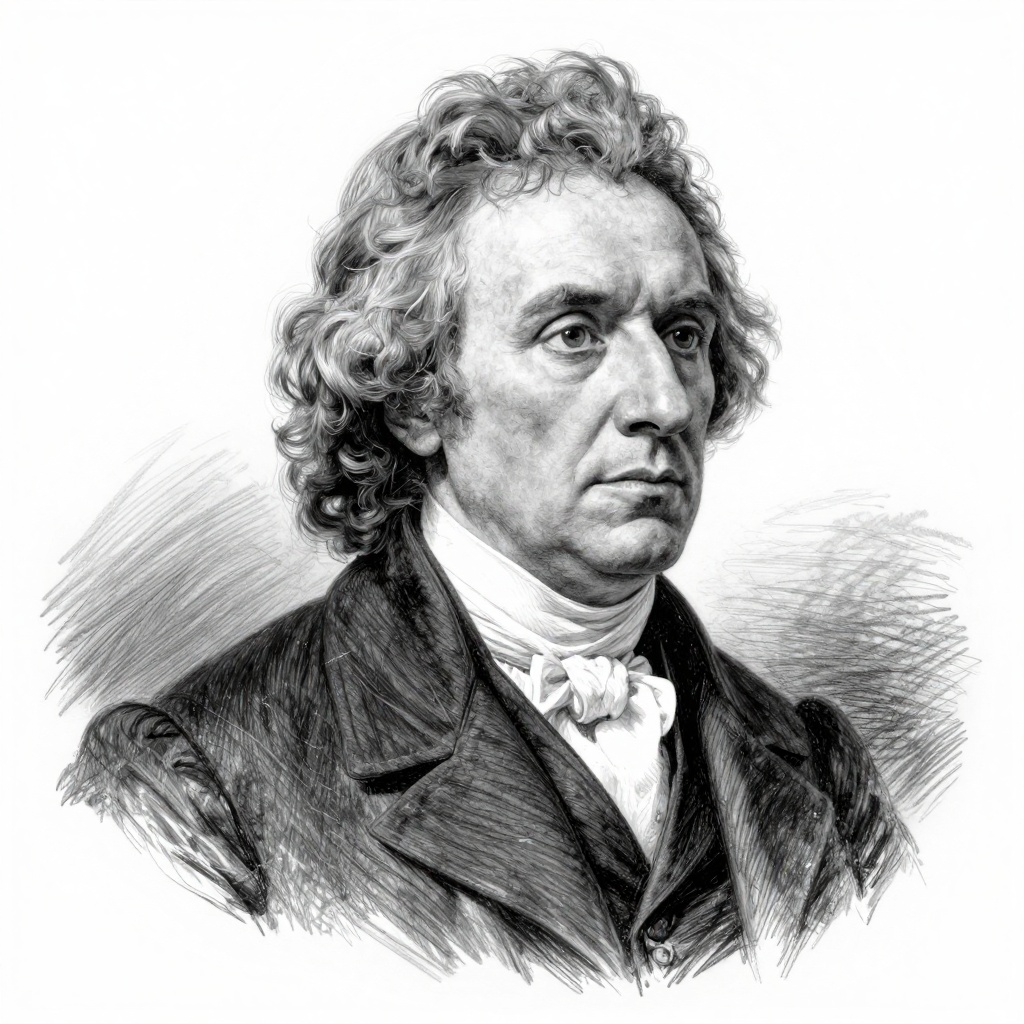
1709–1784·lived 75 years
Samuel Johnson (1709–1784) was an English writer, lexicographer, and critic who is best known for his influential work, "A Dictionary of the English Language," published in 1755. Johnson's witty essays, literary criticism, and biographies were also highly regarded during the 18th century and continue to be studied for their insights into the English language and literature.
Comments