Quote · Added 10 February 2026
Exercise is labor without weariness.
Samuel JohnsonThe Rambler: In Four Volumes, p. 35, 1784
No ratings yet
Quote · Added 10 February 2026
There's a peculiar magic to the kind of tired you feel after a good workout—it's completely different from the exhaustion of a frustrating day at work or wrestling with a problem that won't budge. Johnson is pointing at something real: exercise depletes your body but somehow leaves your mind and spirit lighter. You push yourself physically, yet you don't end up drained in that soul-crushing way that meaningful labor can leave you.
This matters because we live in a culture that treats tiredness as the enemy, something to avoid at all costs. We reach for coffee or optimization hacks, trying to feel less tired rather than asking if we're tired from the right things. Exercise reveals that exhaustion itself isn't the problem—it's the kind of exhaustion. The fatigue from a workout comes with a sense of accomplishment and momentum, while the weariness from pointless meetings or unfinished obligations just sits there, heavy.
What makes this distinction so useful is that it reframes exercise from a chore into something almost opposite: labor that restores rather than depletes. It's why people who hate "exercising" often love running late for a bus or playing a pickup basketball game. The body works hard, but the self feels renewed. That's the difference Johnson spotted, and it's still one of the easiest truths we ignore when we're busy.
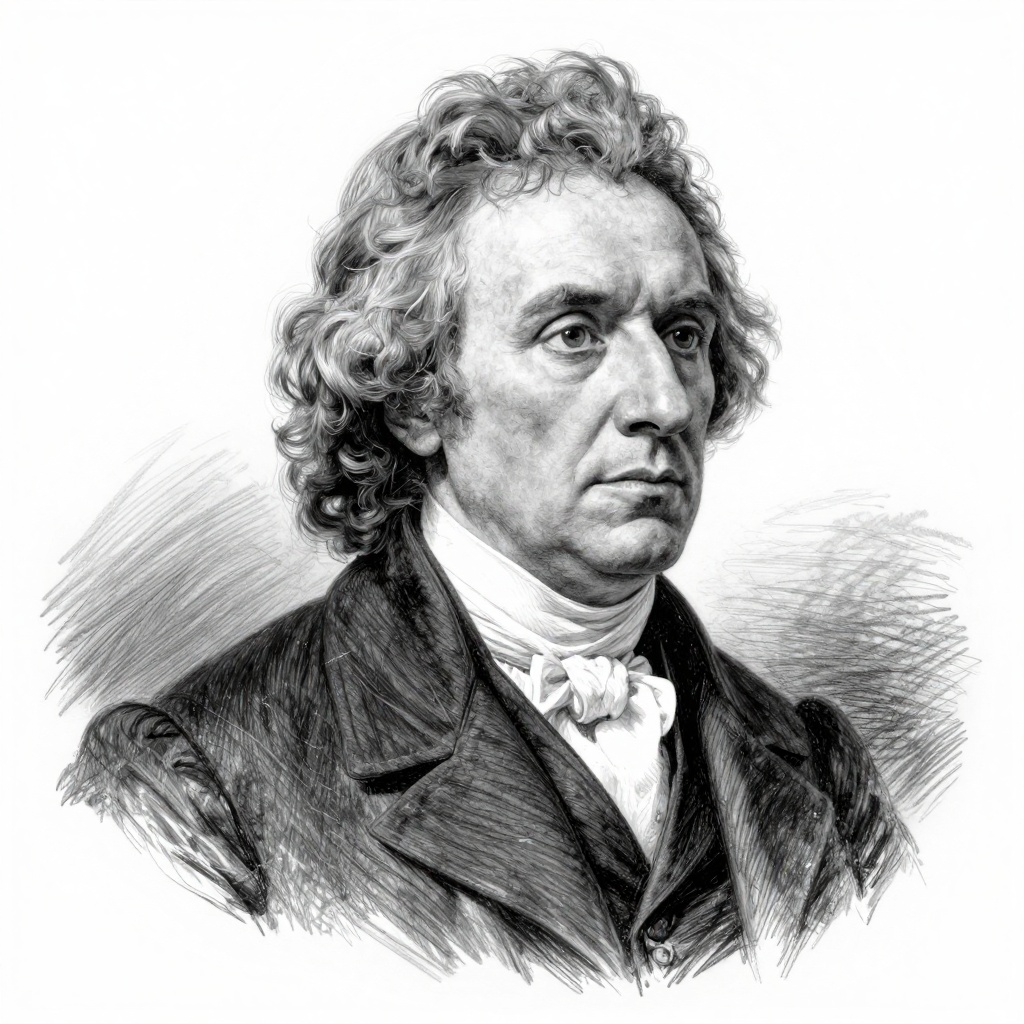
1709–1784·lived 75 years
Samuel Johnson (1709–1784) was an English writer, lexicographer, and critic who is best known for his influential work, "A Dictionary of the English Language," published in 1755. Johnson's witty essays, literary criticism, and biographies were also highly regarded during the 18th century and continue to be studied for their insights into the English language and literature.
Comments