Quote · Added 15 February 2026
Curiosity is one of the most permanent and certain characteristics of a vigorous intellect.
No ratings yet
Quote · Added 15 February 2026
We tend to think of curiosity as something you either have or don't—a personality trait you're born with. But Johnson saw it differently. He linked curiosity directly to intellectual vigor, suggesting it's less about temperament and more about mental fitness. A sharp mind naturally stays restless. It keeps asking questions, poking at assumptions, wanting to understand how things actually work. When your mind goes quiet and accepts explanations without wondering why, that's not peace—that's intellectual decay.
This matters now because we're constantly pressured to settle. We're told to pick a career path and stick to it, to find answers fast and move on, to have opinions about things without needing to understand them deeply. But the people who stay genuinely interesting—who can hold a conversation, solve unexpected problems, see connections others miss—are the ones who stay curious. They ask one more question. They notice when something doesn't quite add up. They're willing to look stupid rather than pretend to know.
The counter-intuitive part: vigorous intellect isn't about being smart in the credentials sense. It's about refusing to let your mind get lazy. Curiosity is the habit of staying alert, of treating the world as something still worth understanding rather than something you've already figured out.
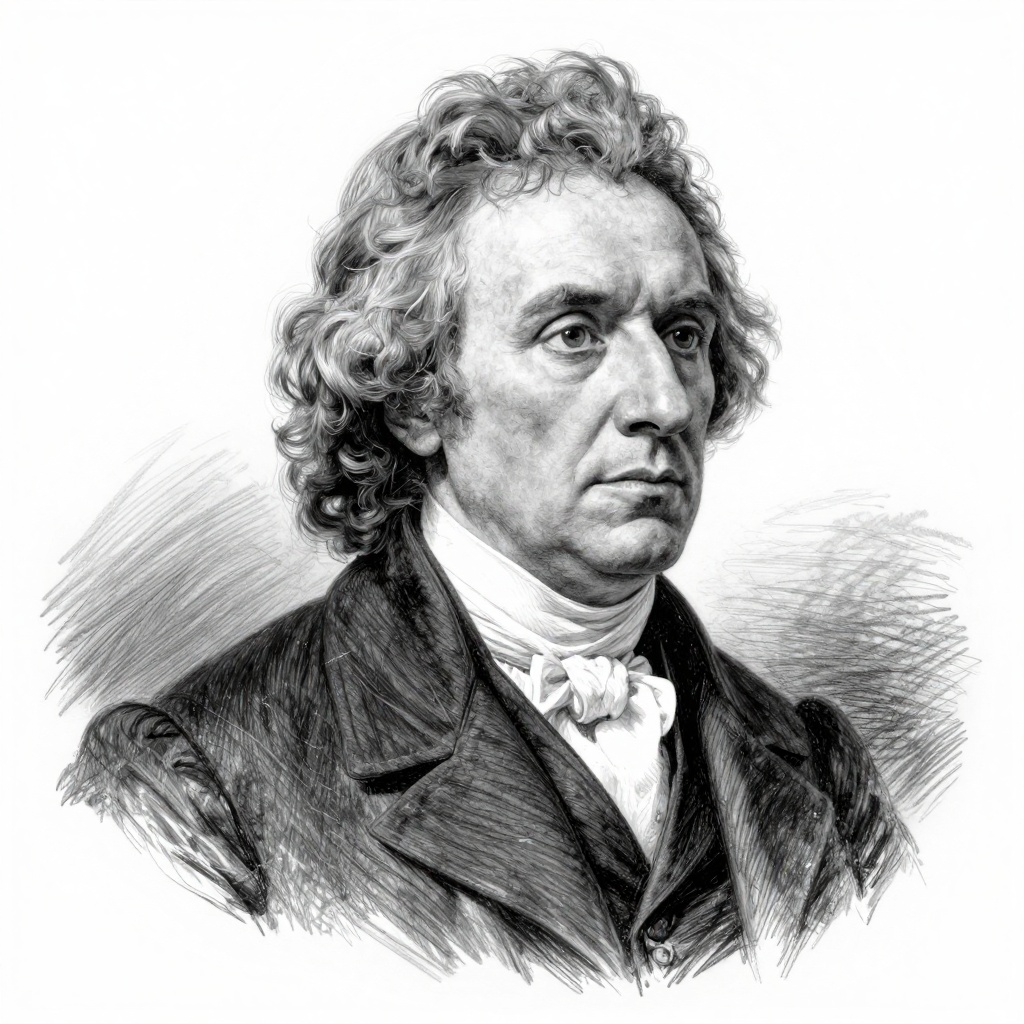
1709–1784·lived 75 years
Samuel Johnson (1709–1784) was an English writer, lexicographer, and critic who is best known for his influential work, "A Dictionary of the English Language," published in 1755. Johnson's witty essays, literary criticism, and biographies were also highly regarded during the 18th century and continue to be studied for their insights into the English language and literature.
Comments