Quote · Added 19 February 2026
The true measure of a man is how he treats someone who can do him absolutely no good.
No ratings yet
Quote · Added 19 February 2026
We live in a world obsessed with networking and getting ahead, which makes this observation quietly radical. Most of us are decent to people who matter to our careers, our social circle, or our future prospects. We're polite to the boss, attentive to potential allies, generous with people who might help us down the line. But how we treat the cashier with the slow register, the coworker everyone avoids, the neighbor we'll never benefit from knowing? That's where our actual character shows up.
The uncomfortable part is recognizing how often we're nicer to people based on what they can offer us. It's not always conscious—it's built into how we navigate the world. But kindness that only flows upward or toward the useful is really just transaction wearing a friendly mask. The person who can do us no good is actually a mirror. They expose whether we treat people with dignity because we genuinely believe they deserve it, or only when there's something in it for us.
What makes this measure true is that it costs nothing to be decent to someone powerless, which is exactly why it matters so much. Kindness without an angle—that's the real test. And most of us probably fail it more often than we'd like to admit.
1709–1784·lived 75 years
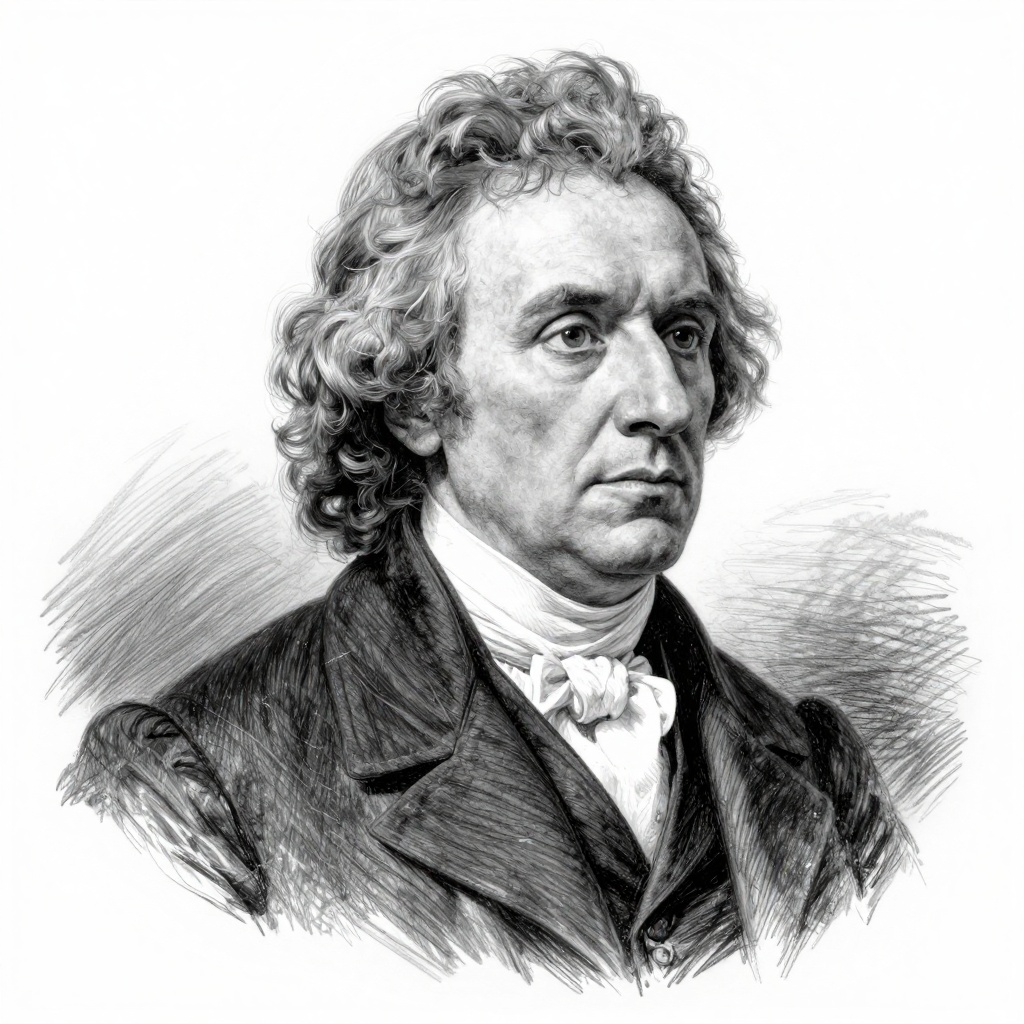
Samuel Johnson (1709–1784) was an English writer, lexicographer, and critic who is best known for his influential work, "A Dictionary of the English Language," published in 1755. Johnson's witty essays, literary criticism, and biographies were also highly regarded during the 18th century and continue to be studied for their insights into the English language and literature.
Comments