Quote · Added 17 February 2026
Clear your mind of “cant”.
No ratings yet
Filed undermindset·clarity·possibility
Quote · Added 17 February 2026
Filed undermindset·clarity·possibility
When Samuel Johnson tells us to clear our minds of "can't," he's not being a cheerleader about positive thinking. He's pointing at something much more practical: the way we use the word "can't" as a conversation-ender rather than an honest assessment. We say it when we mean "I haven't tried," or "it's uncomfortable," or "I'm not sure how." The word feels like a fact when it's really just a decision wearing a mask.
Notice how often "can't" stops your thinking cold. You can't learn that skill, can't fix that relationship, can't change jobs. But if you actually replaced "can't" with the real reason—too expensive, too scared, too embarrassed, too much effort—suddenly you're dealing with something you might actually be able to address. The barrier shifts from impossible to real, from permanent to negotiable.
The trick isn't to pretend you can do everything. It's to stop letting a single word do all the heavy lifting of avoidance. When you hear yourself say "can't," get curious instead of accepting it. What's the actual obstacle? Sometimes you'll find it's genuinely there. But often you'll find you were just protecting yourself from trying, and that protection looked a lot like certainty.
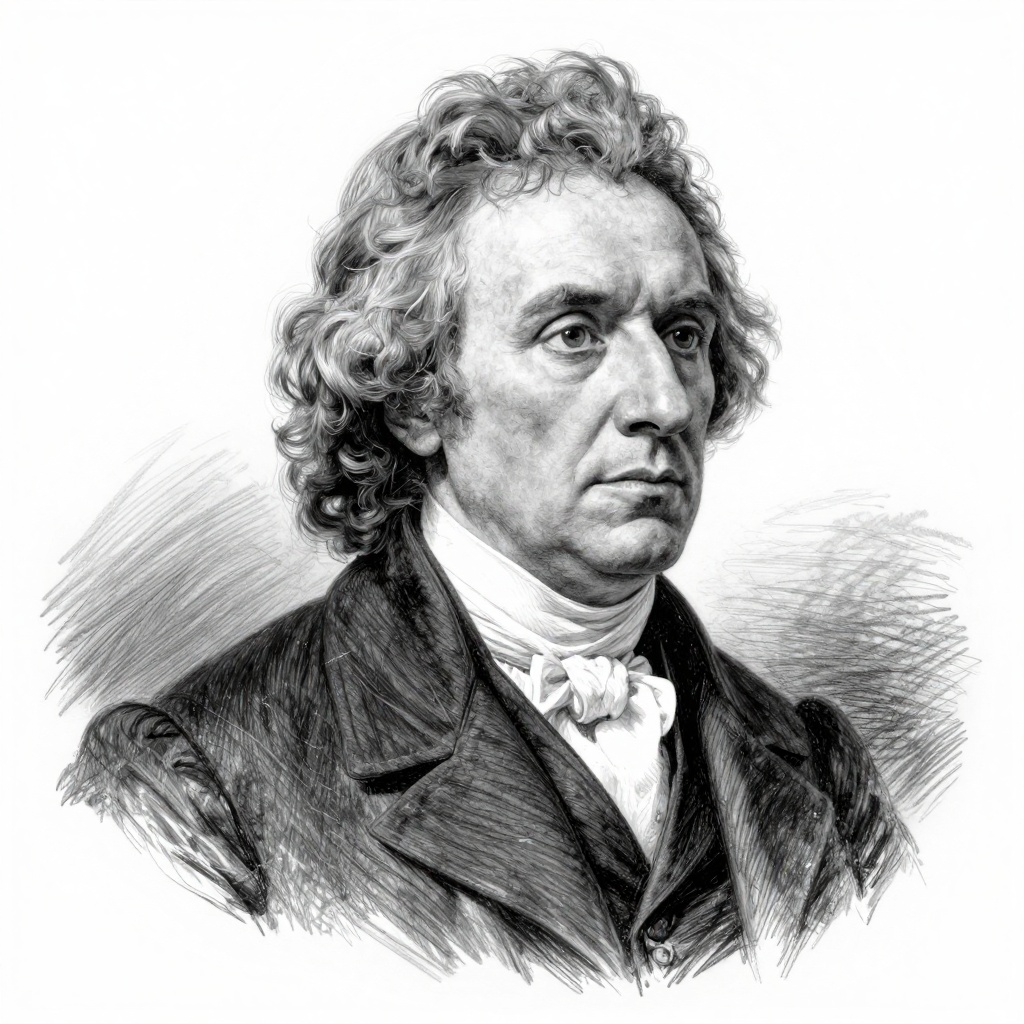
1709–1784·lived 75 years
Samuel Johnson (1709–1784) was an English writer, lexicographer, and critic who is best known for his influential work, "A Dictionary of the English Language," published in 1755. Johnson's witty essays, literary criticism, and biographies were also highly regarded during the 18th century and continue to be studied for their insights into the English language and literature.
Comments