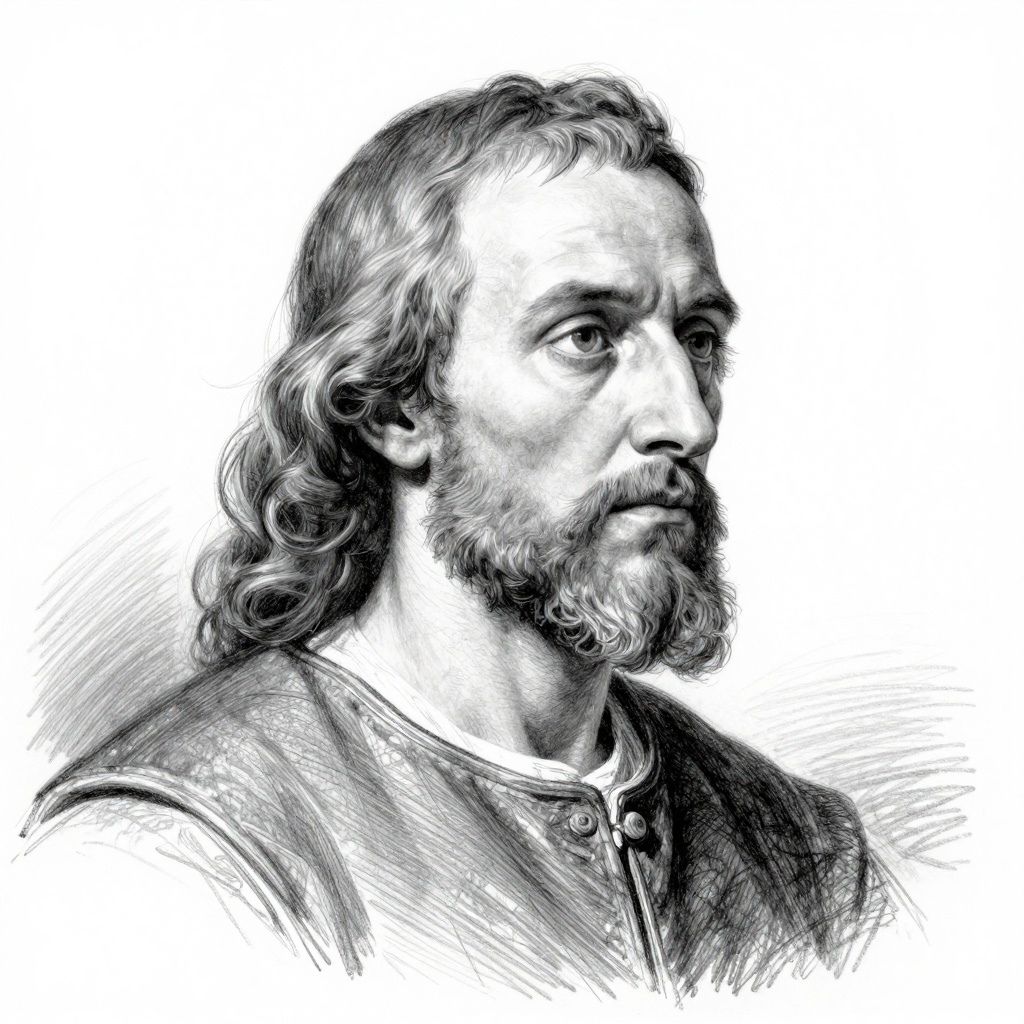
Experience proves that in this life peace and satisfaction are had, not by the listless but by those who are f... — Saint Ignatius

Experience proves that in this life peace and satisfaction are had, not by the listless but by those who are fervent in God's service. And rightly so. For in their effort to overcome themselves and to rid themselves of self-love, they rid themselves of the roots of all passion and unrest.

Author: Saint Ignatius

Insight: There's something counterintuitive here that most of us get wrong. We often think peace comes from finally relaxing, from stepping back, from wanting less. But Ignatius is pointing at something different—that the people who actually feel settled aren't the ones passively waiting for calm to arrive. They're the ones actively engaged in something larger than themselves, working toward it with real commitment. The key insight is about self-absorption. When you're constantly thinking about yourself—your comfort, your image, your disappointments—you're essentially stoking the fire of your own anxieties. It's exhausting. But when you pour that energy into something meaningful, even the hard work of changing your own habits and blind spots, something shifts. You're no longer the center of the problem. This applies whether "God's service" means your faith, raising kids well, building something, or helping others. The mechanism is the same: purpose dissolves the constant self-monitoring that actually creates most of our restlessness. The unsettling part? This suggests that our hunt for peace through self-care or comfort might actually be the thing keeping us from it. Real satisfaction seems to require effort, not escape.

Purpose dissolves what comfort cannot

Experience proves that in this life peace and satisfaction are had, not by the listless but by those who are fervent in God's service. And rightly so. For in their effort to overcome themselves and to rid themselves of self-love, they rid themselves of the roots of all passion and unrest.

There's something counterintuitive here that most of us get wrong. We often think peace comes from finally relaxing, from stepping back, from wanting less. But Ignatius is pointing at something different—that the people who actually feel settled aren't the ones passively waiting for calm to arrive. They're the ones actively engaged in something larger than themselves, working toward it with real commitment.

The key insight is about self-absorption. When you're constantly thinking about yourself—your comfort, your image, your disappointments—you're essentially stoking the fire of your own anxieties. It's exhausting. But when you pour that energy into something meaningful, even the hard work of changing your own habits and blind spots, something shifts. You're no longer the center of the problem. This applies whether "God's service" means your faith, raising kids well, building something, or helping others. The mechanism is the same: purpose dissolves the constant self-monitoring that actually creates most of our restlessness.

The unsettling part? This suggests that our hunt for peace through self-care or comfort might actually be the thing keeping us from it. Real satisfaction seems to require effort, not escape.

AI generated

Comments

Sign in to leave a comment or reply to one.

Sign in

Saint Ignatius

Saint Ignatius of Loyola was a Spanish priest and theologian, born in 1491 and known for founding the Society of Jesus, commonly known as the Jesuits, in 1534. He played a significant role in the Counter-Reformation and is recognized for his spiritual writings, particularly the "Spiritual Exercises," which emphasize a contemplative approach to prayer and discernment. Ignatius was canonized as a saint by Pope Gregory XV in 1622.

Graph

Related