Quote · Added 14 February 2026
True, I am in love with suffering, but I do not know if I deserve the honor.
Saint IgnatiusIGNATIUS TO THE TRALLIANS, 2nd century
No ratings yet
Quote · Added 14 February 2026
There's something bracing about this line because it doesn't romanticize pain—it complicates it. Ignatius isn't saying suffering is good or that we should chase it down. He's saying something stranger: that he's drawn to it, yet genuinely uncertain whether he's worthy of what that attraction might mean. It's almost like admitting you're attached to your own struggle while wondering if that attachment is even justified.
Most of us know this feeling in disguise. We cling to old hurts, replay failures, or stay in situations that grind us down—then wonder why we're doing it. We call it loyalty, or realism, or just being honest about life. But Ignatius points to something deeper: the way suffering can become familiar, even strangely comforting, precisely because it asks nothing of us except endurance. There's a twisted honor in it.
The real insight is the uncertainty. He doesn't claim to deserve anything. That hesitation—that refusal to justify the attraction—is where the honesty lives. It's the moment you admit you might be in love with something that's harming you, without pretending you've figured out what that means or whether it's noble. That recognition, uncomfortable as it is, is often where actual change starts.
1491–1556·lived 64 years
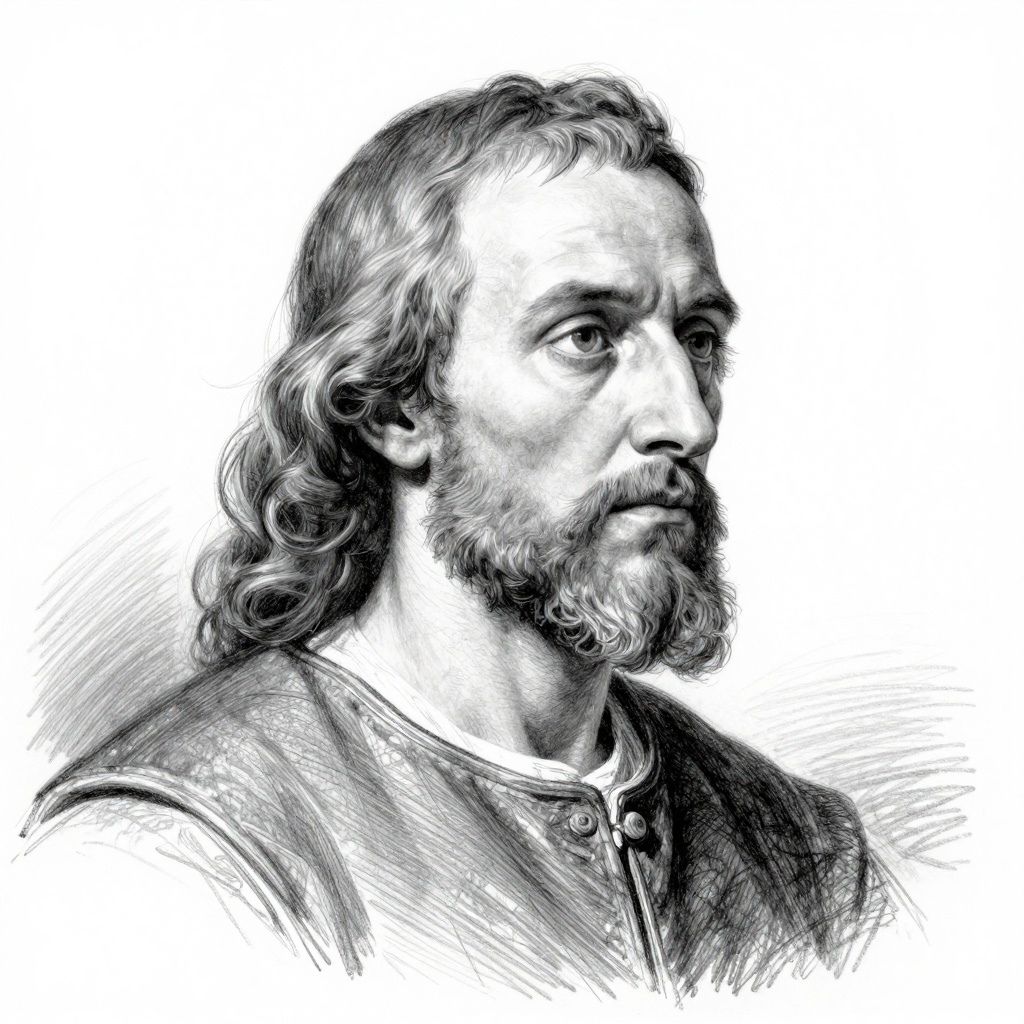
Saint Ignatius of Loyola was a Spanish priest and theologian, born in 1491 and known for founding the Society of Jesus, commonly known as the Jesuits, in 1534. He played a significant role in the Counter-Reformation and is recognized for his spiritual writings, particularly the "Spiritual Exercises," which emphasize a contemplative approach to prayer and discernment. Ignatius was canonized as a saint by Pope Gregory XV in 1622.
Comments