Above all, remember that God looks for solid virtues in us, such as patience, humility, obedience, abnegation... — Saint Ignatius

Above all, remember that God looks for solid virtues in us, such as patience, humility, obedience, abnegation of your own will - that is, the good will to serve Him and our neighbor in Him. His providence allows us other devotions only insofar as He sees that they are useful to us.

Author: Saint Ignatius

Insight: There's something almost practical about what Ignatius is saying here, buried under the religious language. He's not celebrating the flashy stuff—the intense prayers, the dramatic conversions, the moments that feel spiritually powerful. Instead, he's pointing at patience, humility, doing unglamorous work without complaint. The kind of virtues that nobody posts about or even notices. What makes this oddly relevant now is how much we still confuse intensity with depth. We think a good life means having strong feelings, peak experiences, or clear moments of meaning. But Ignatius is saying the real foundation is quieter: showing up for people, swallowing your pride when you're wrong, doing what needs doing even when it's boring. He's arguing that God—or purpose, or integrity, however you frame it—cares less about your emotional temperature and more about whether you're actually reliable. The twist is in that last line about other devotions being useful "insofar as He sees that they are useful to us." Even your spiritual practices are supposed to be tools, not ends in themselves. The question isn't whether something feels meaningful; it's whether it's actually making you more patient, more humble, more willing to serve. That's a ruthless filter. And it might change what you actually spend your time on.
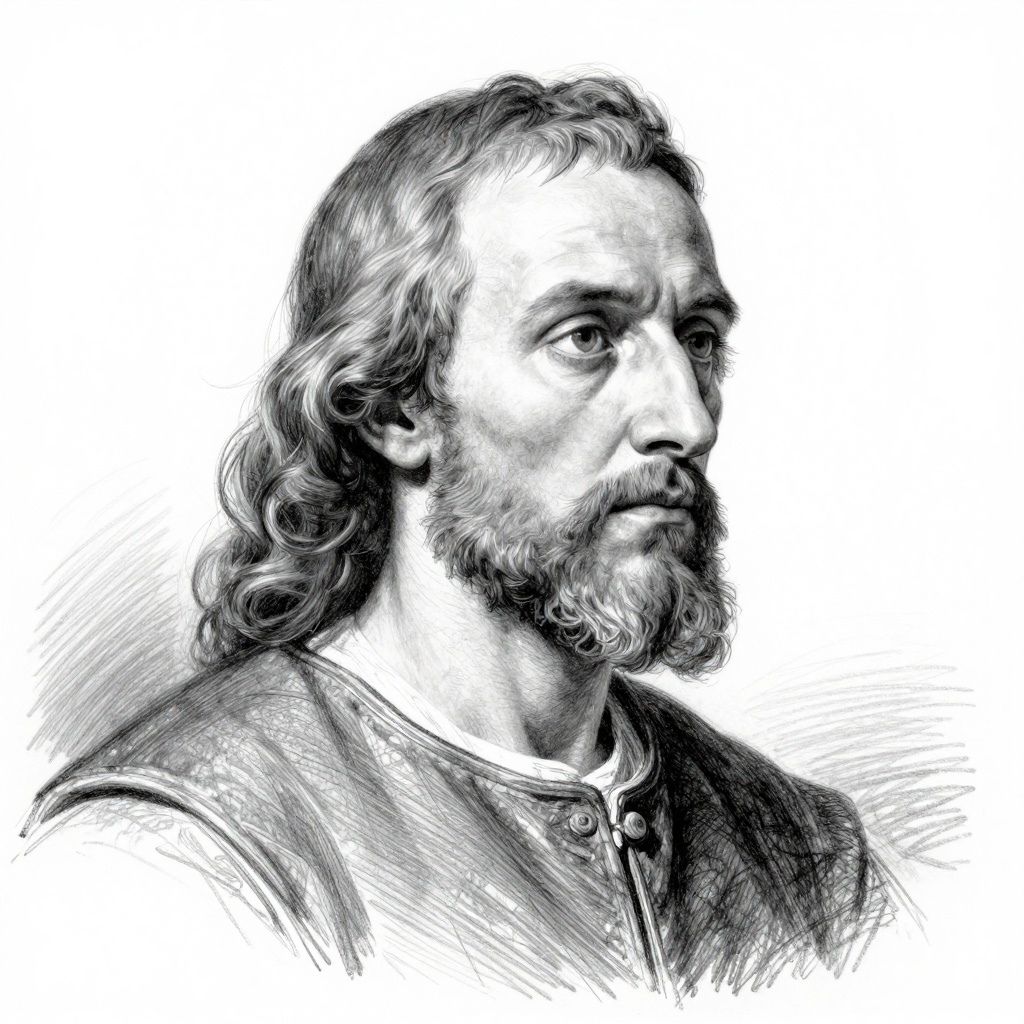
The Unglamorous Foundation

Above all, remember that God looks for solid virtues in us, such as patience, humility, obedience, abnegation of your own will - that is, the good will to serve Him and our neighbor in Him. His providence allows us other devotions only insofar as He sees that they are useful to us.

There's something almost practical about what Ignatius is saying here, buried under the religious language. He's not celebrating the flashy stuff—the intense prayers, the dramatic conversions, the moments that feel spiritually powerful. Instead, he's pointing at patience, humility, doing unglamorous work without complaint. The kind of virtues that nobody posts about or even notices.

What makes this oddly relevant now is how much we still confuse intensity with depth. We think a good life means having strong feelings, peak experiences, or clear moments of meaning. But Ignatius is saying the real foundation is quieter: showing up for people, swallowing your pride when you're wrong, doing what needs doing even when it's boring. He's arguing that God—or purpose, or integrity, however you frame it—cares less about your emotional temperature and more about whether you're actually reliable.

The twist is in that last line about other devotions being useful "insofar as He sees that they are useful to us." Even your spiritual practices are supposed to be tools, not ends in themselves. The question isn't whether something feels meaningful; it's whether it's actually making you more patient, more humble, more willing to serve. That's a ruthless filter. And it might change what you actually spend your time on.

AI generated

Comments

Sign in to leave a comment or reply to one.

Sign in

Saint Ignatius

Saint Ignatius of Loyola was a Spanish priest and theologian, born in 1491 and known for founding the Society of Jesus, commonly known as the Jesuits, in 1534. He played a significant role in the Counter-Reformation and is recognized for his spiritual writings, particularly the "Spiritual Exercises," which emphasize a contemplative approach to prayer and discernment. Ignatius was canonized as a saint by Pope Gregory XV in 1622.

Graph

Related