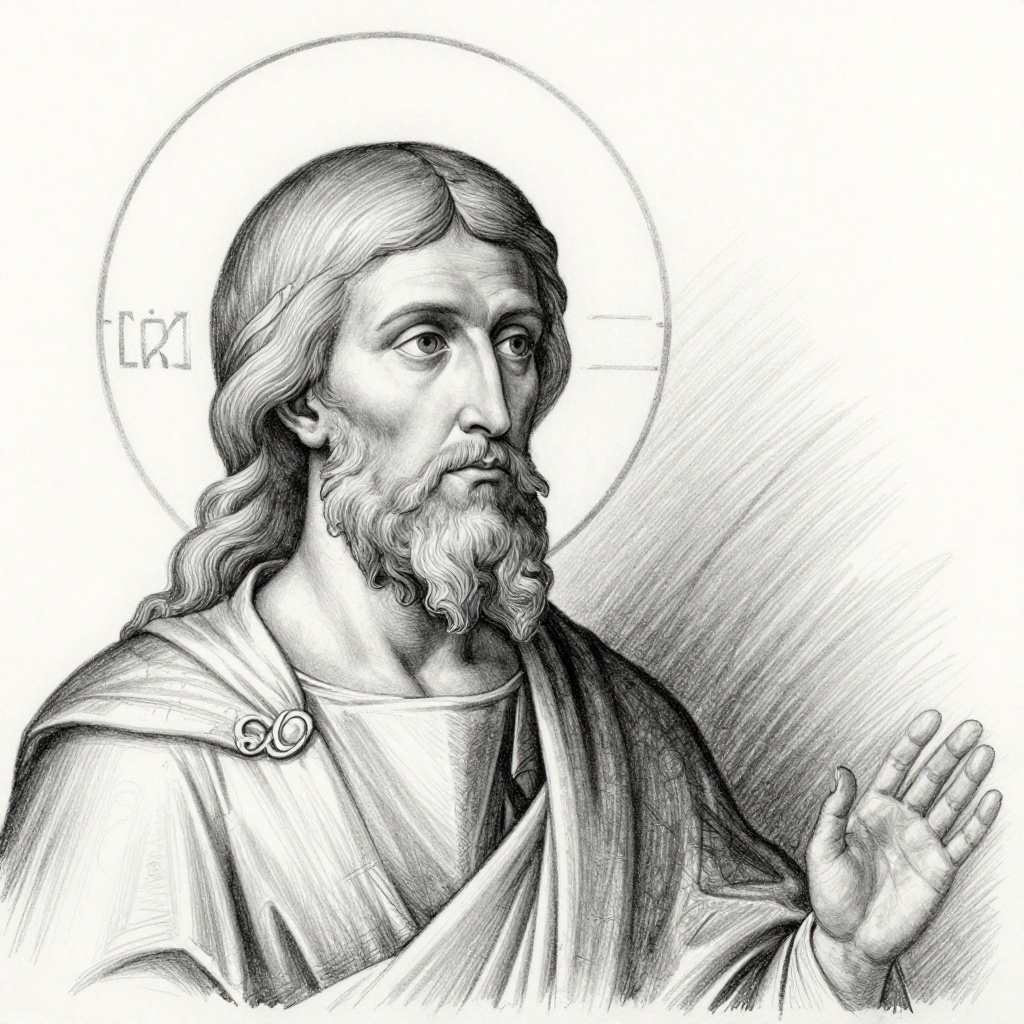
A tree is known by its fruit; a man by his deeds. A good deed is never lost; he who sows courtesy reaps friend... — Saint Basil the Great

A tree is known by its fruit; a man by his deeds. A good deed is never lost; he who sows courtesy reaps friendship, and he who plants kindness gathers love.

Author: Saint Basil the Great

Insight: We live in a world obsessed with image—what we say we believe, what we post, what we claim to value. But this quote reminds us of something we already know in our bones: nobody actually cares what you say you're about. They care what you do, repeatedly, when it matters and when it doesn't. The tricky part is that kindness often feels invisible in the moment. You hold a door, listen to someone's problem, or show up when you said you would, and it disappears into the ordinary. It doesn't feel like it's doing anything. But this quote suggests something quietly radical: those small acts compound in ways you might never see directly. The person you were patient with remembers. The friend you showed up for becomes someone who shows up for others. Courtesy and kindness aren't deposits you make hoping for a return—they're seeds that grow in soil you can't always monitor. The real insight here is that you don't get to choose the fruit that grows from your deeds. You just get to choose what you plant. So the question isn't "Will this good deed matter?" but "What kind of person am I becoming through how I treat people today?"

What you do speaks louder

A tree is known by its fruit; a man by his deeds. A good deed is never lost; he who sows courtesy reaps friendship, and he who plants kindness gathers love.

We live in a world obsessed with image—what we say we believe, what we post, what we claim to value. But this quote reminds us of something we already know in our bones: nobody actually cares what you say you're about. They care what you do, repeatedly, when it matters and when it doesn't.

The tricky part is that kindness often feels invisible in the moment. You hold a door, listen to someone's problem, or show up when you said you would, and it disappears into the ordinary. It doesn't feel like it's doing anything. But this quote suggests something quietly radical: those small acts compound in ways you might never see directly. The person you were patient with remembers. The friend you showed up for becomes someone who shows up for others. Courtesy and kindness aren't deposits you make hoping for a return—they're seeds that grow in soil you can't always monitor.

The real insight here is that you don't get to choose the fruit that grows from your deeds. You just get to choose what you plant. So the question isn't "Will this good deed matter?" but "What kind of person am I becoming through how I treat people today?"

AI generated

Comments

Sign in to leave a comment or reply to one.

Sign in

Saint Basil the Great

Saint Basil the Great, or Basil of Caesarea, was a prominent 4th-century Greek bishop known for his theological contributions and efforts to combat heresies. He is recognized as a Doctor of the Church and one of the Cappadocian Fathers, playing a crucial role in shaping early Christian doctrine.

Graph

Related