Quote · Added 14 February 2026
The world is a book, and those who do not travel read only a page.
Saint AugustineThe Voyage of Italy: or A Compleat Journey through Italy, Richard Lassels, 1670
No ratings yet
Filed undertravel·exploration·knowledge
Quote · Added 14 February 2026
Filed undertravel·exploration·knowledge
Travel doesn't just show you new places—it rewrites how you understand the world itself. When you stay in one spot, you unconsciously assume your local version of normal is how things actually work everywhere. You believe your city's way of handling food, time, money, or relationships is just "the way things are." Travel is the quickest way to demolish that illusion. Suddenly you're watching someone across the globe solve a problem you thought was unsolvable, or live happily without something you considered essential.
But here's the part people don't always realize: you don't need a passport to do this. Travel is really about exposing yourself to radically different ways of being human. Reading deeply about other cultures, genuinely listening to people from backgrounds nothing like yours, exploring unfamiliar neighborhoods in your own city—these all count as reading more pages. The trap isn't poverty or circumstance; it's comfort. It's the assumption that your current view is complete, that you've already got the story figured out.
The people who keep growing, who stay curious and adaptable, are the ones who refuse to be satisfied with a single chapter. They know there's always another page.
d. 430
Saint Augustine, also known as Augustine of Hippo, was a renowned Christian theologian and philosopher from the 4th and 5th centuries. He is known for his influential writings on theology and his significant contributions to the development of Western Christianity. Augustine's most famous work, "Confessions," is considered a classic of Christian literature and continues to impact modern philosophical and theological thought.
Also by Saint Augustine
There is no saint without a past, no sinner without a future.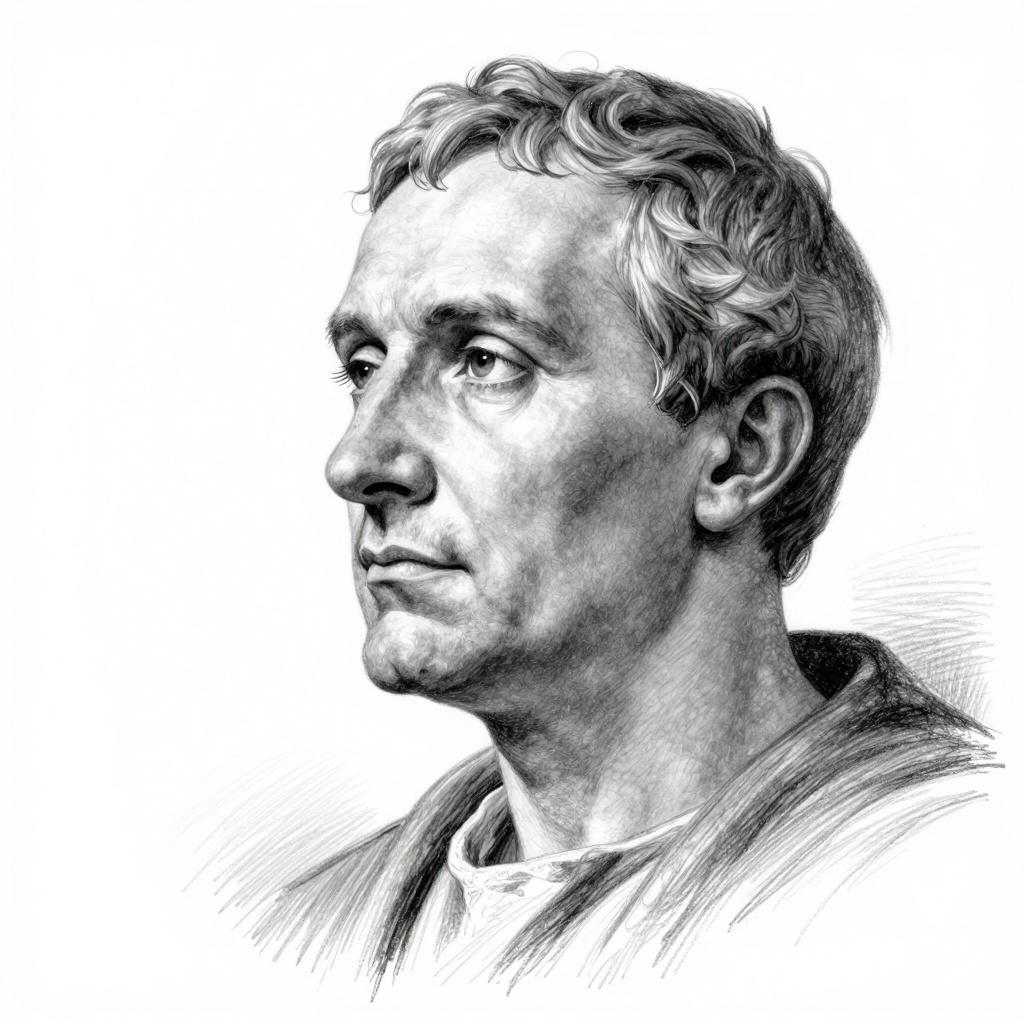
Comments