Quote · Added 19 February 2026
Give me chastity and continence, but not yet.
No ratings yet
Filed underchastity·desire·self-control
Quote · Added 19 February 2026
Filed underchastity·desire·self-control
There's something disarmingly honest about this prayer, because it's basically what we all whisper to ourselves when we know we should change but don't quite want to yet. We promise we'll quit scrolling before bed tomorrow, cut back on the spending next month, finally hit the gym once life settles down. The gap between knowing what's good for us and actually choosing it is where most of us live most of the time.
Augustine's real insight isn't about religion or virtue—it's about the peculiar human ability to want two contradictory things simultaneously. We want the benefits of discipline (health, peace, focus) without the immediate friction of actually practicing it. We genuinely mean it both ways: yes, I want to change, and no, not right now. It's not hypocrisy exactly; it's more like we're always negotiating with our future selves, betting they'll be more motivated than we are today.
The uncomfortable part is that this waiting has a cost we often don't calculate. Every time we postpone the hard choice, we're also postponing the person we could become by making it. The freedom we think we're protecting by waiting turns out to be its own kind of cage—one where we're stuck watching ourselves repeat the same patterns.
d. 430
Saint Augustine, also known as Augustine of Hippo, was a renowned Christian theologian and philosopher from the 4th and 5th centuries. He is known for his influential writings on theology and his significant contributions to the development of Western Christianity. Augustine's most famous work, "Confessions," is considered a classic of Christian literature and continues to impact modern philosophical and theological thought.
Also by Saint Augustine
There is no saint without a past, no sinner without a future.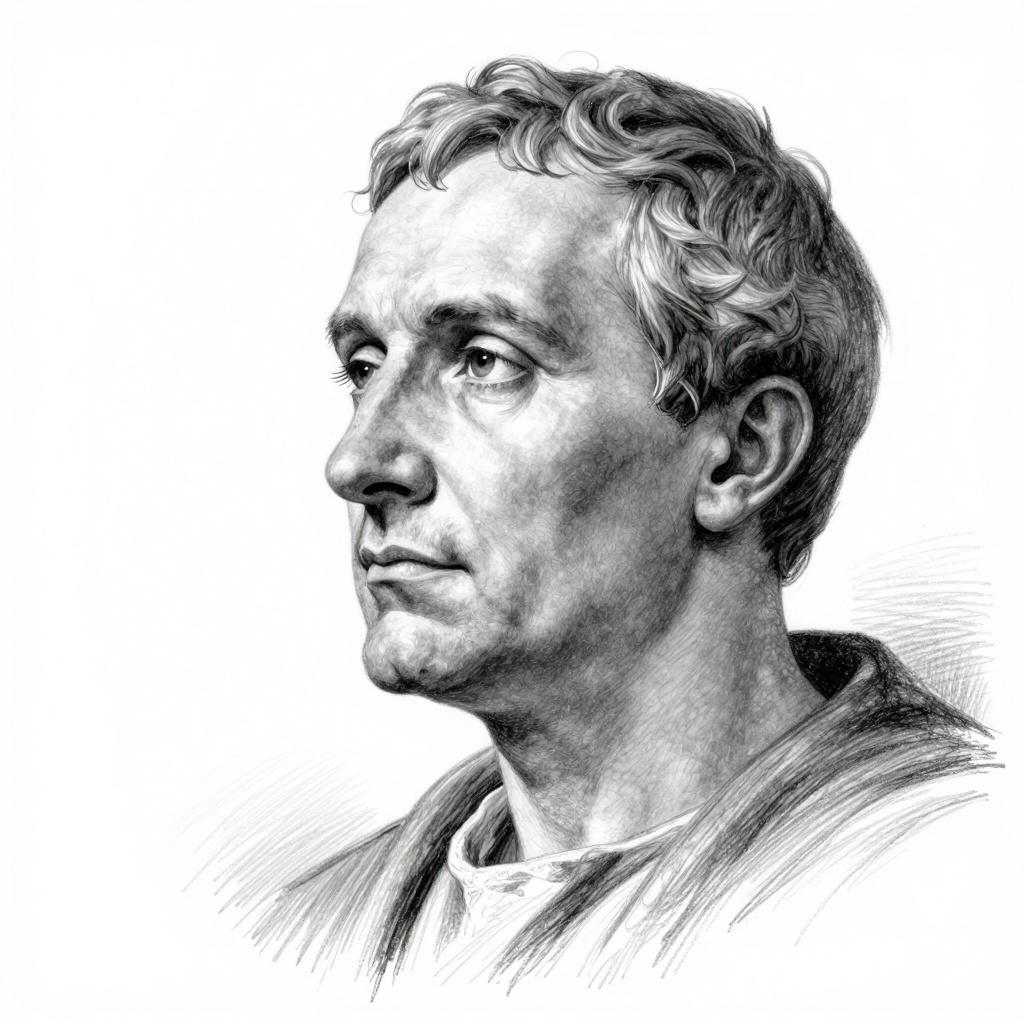
Comments