Quote · Added 15 February 2026
Faith is to believe what you do not see; the reward of this faith is to see what you believe.
No ratings yet
Quote · Added 15 February 2026
We live in a culture obsessed with proof. Show me the data, the before-and-after photos, the reviews. We want certainty before we commit to anything—a relationship, a career change, a different way of living. But Augustine is pointing at something harder and stranger: that belief sometimes has to come first, before the evidence arrives.
Think about what this actually means in practice. When you decide to trust someone you love, you're believing in their goodness despite moments when they disappoint you. When you start a creative project, you're acting on faith that it matters before anyone else validates it. When you commit to getting healthier or kinder or braver, you're betting on a version of yourself you haven't quite become yet. In each case, the belief precedes the proof.
The twist is that Augustine isn't describing blind naivety. He's saying the reward for faith is vision—that by believing first, you actually train yourself to see differently. You notice evidence you would've missed. You attract the very thing you were willing to believe in. It's not magical thinking; it's closer to how conviction reshapes your attention. The seeing follows the believing, not the other way around.
d. 430
Saint Augustine, also known as Augustine of Hippo, was a renowned Christian theologian and philosopher from the 4th and 5th centuries. He is known for his influential writings on theology and his significant contributions to the development of Western Christianity. Augustine's most famous work, "Confessions," is considered a classic of Christian literature and continues to impact modern philosophical and theological thought.
Also by Saint Augustine
There is no saint without a past, no sinner without a future.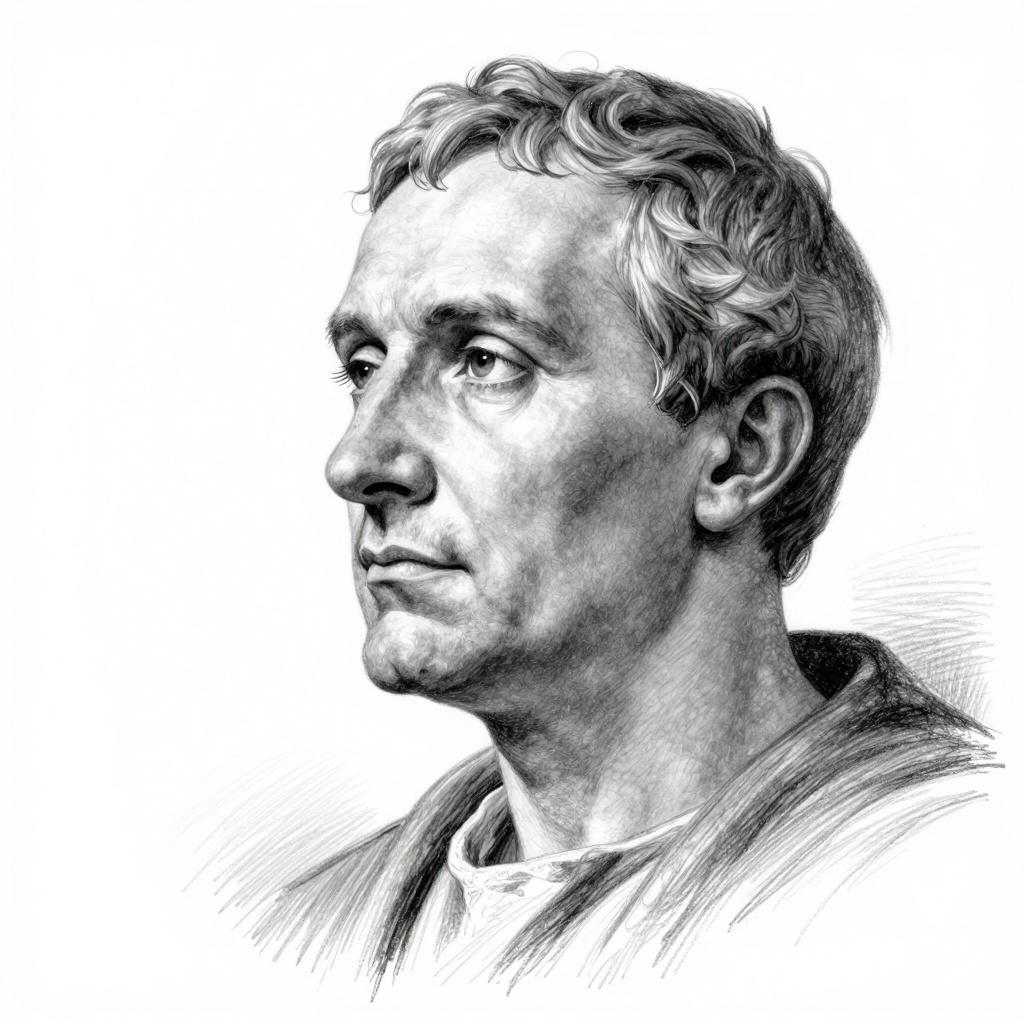
Comments