Quote · Added 14 February 2026
The purpose of all wars, is peace.
Saint AugustineC'est en vue de la paix que se font toutes les guerres, Philia, 2023
No ratings yet
Quote · Added 14 February 2026
We tend to think of war and peace as complete opposites, but Augustine points to something stranger: every conflict, even brutal ones, is supposedly fought for some vision of peace. The general invades a country "to bring stability." The business closes a division "to save the company." Even arguments between friends often boil down to someone trying to restore a sense of calm or order. The intention matters, supposedly.
But here's where it gets uncomfortable. This reasoning is how good people justify almost anything. It's how certainty hardens into cruelty. If you're absolutely convinced your war creates lasting peace, compromise looks like betrayal. You stop listening. You stop doubting. The gap between the peace you imagine and the peace you're actually creating grows wider, but you can't see it anymore because the logic feels airtight.
The real insight isn't that war creates peace. It's that we're all prone to this kind of thinking. We all have some version of peace we're fighting for, some status quo we're defending, some version of "how things should be." The question Augustine should have made us ask is: how do we know our peace is real and not just our preferred version of control? That skepticism—toward ourselves most of all—might actually get us closer to something genuine.
d. 430
Saint Augustine, also known as Augustine of Hippo, was a renowned Christian theologian and philosopher from the 4th and 5th centuries. He is known for his influential writings on theology and his significant contributions to the development of Western Christianity. Augustine's most famous work, "Confessions," is considered a classic of Christian literature and continues to impact modern philosophical and theological thought.
Also by Saint Augustine
There is no saint without a past, no sinner without a future.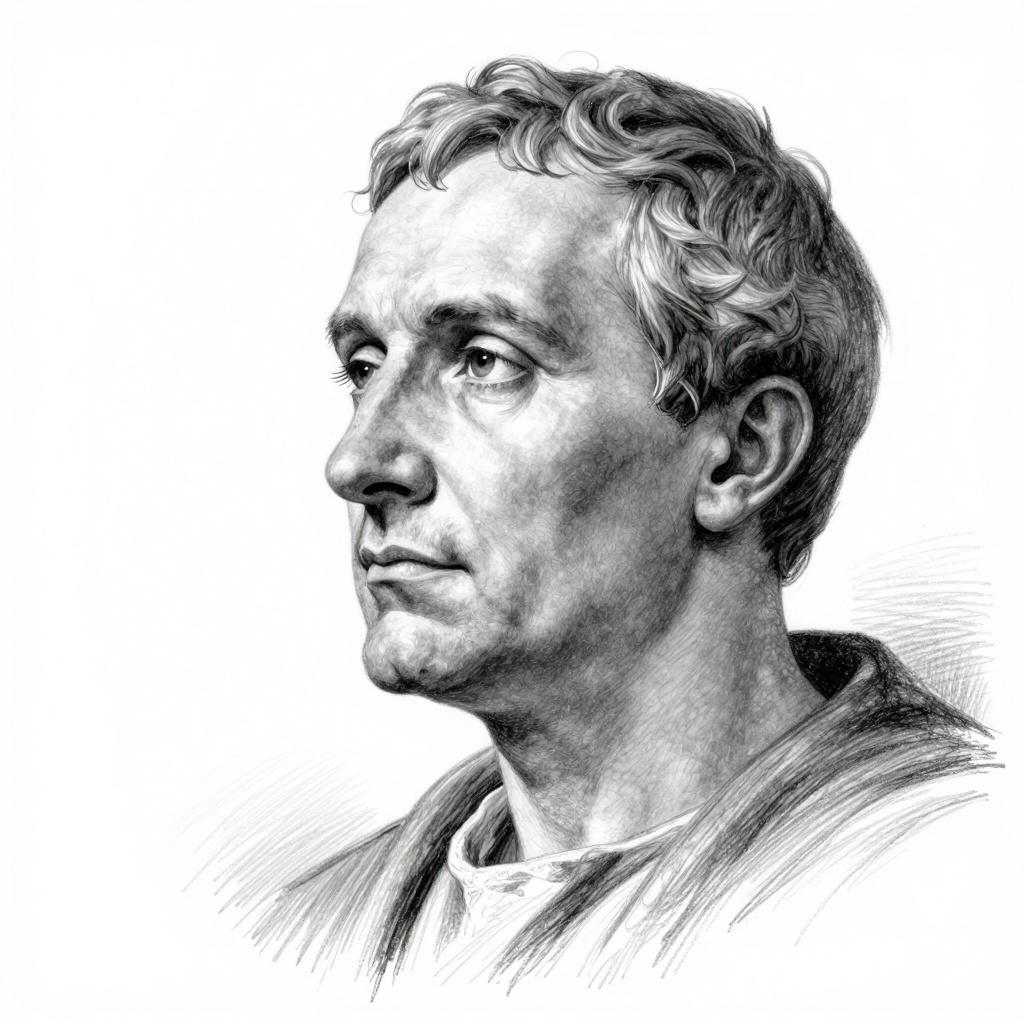
Comments