Quote · Added 14 February 2026
Pray as though everything depended on God. Work as though everything depended on you.
No ratings yet
Quote · Added 14 February 2026
There's something almost radical about this balance Augustine is describing—it cuts against how most of us actually live. We tend to either throw our hands up and hope things work out, or we grind ourselves down trying to control every outcome. Neither approach actually works, and both leave us exhausted or disappointed.
The real insight here is that effort and surrender aren't opposites. You can take full responsibility for your part—showing up, preparing, trying hard—while still acknowledging that you don't control everything. That's actually freeing. When you work like everything depends on you, you stop making excuses and start getting things done. But when you also pray or accept that some things are beyond your control, you stop the perfectionism and self-blame that comes from thinking you should be able to force every result.
We see this play out everywhere: the student who studies like her grade depends on her effort, but doesn't spiral into anxiety about variables she can't predict. The person looking for a job who puts in real work networking and applying, but doesn't let rejection define them. The truth is, the most resilient people aren't the ones who obsess over outcomes—they're the ones who've figured out how to care deeply about their effort while staying at peace with what they can't control.
d. 430
Saint Augustine, also known as Augustine of Hippo, was a renowned Christian theologian and philosopher from the 4th and 5th centuries. He is known for his influential writings on theology and his significant contributions to the development of Western Christianity. Augustine's most famous work, "Confessions," is considered a classic of Christian literature and continues to impact modern philosophical and theological thought.
Also by Saint Augustine
There is no saint without a past, no sinner without a future.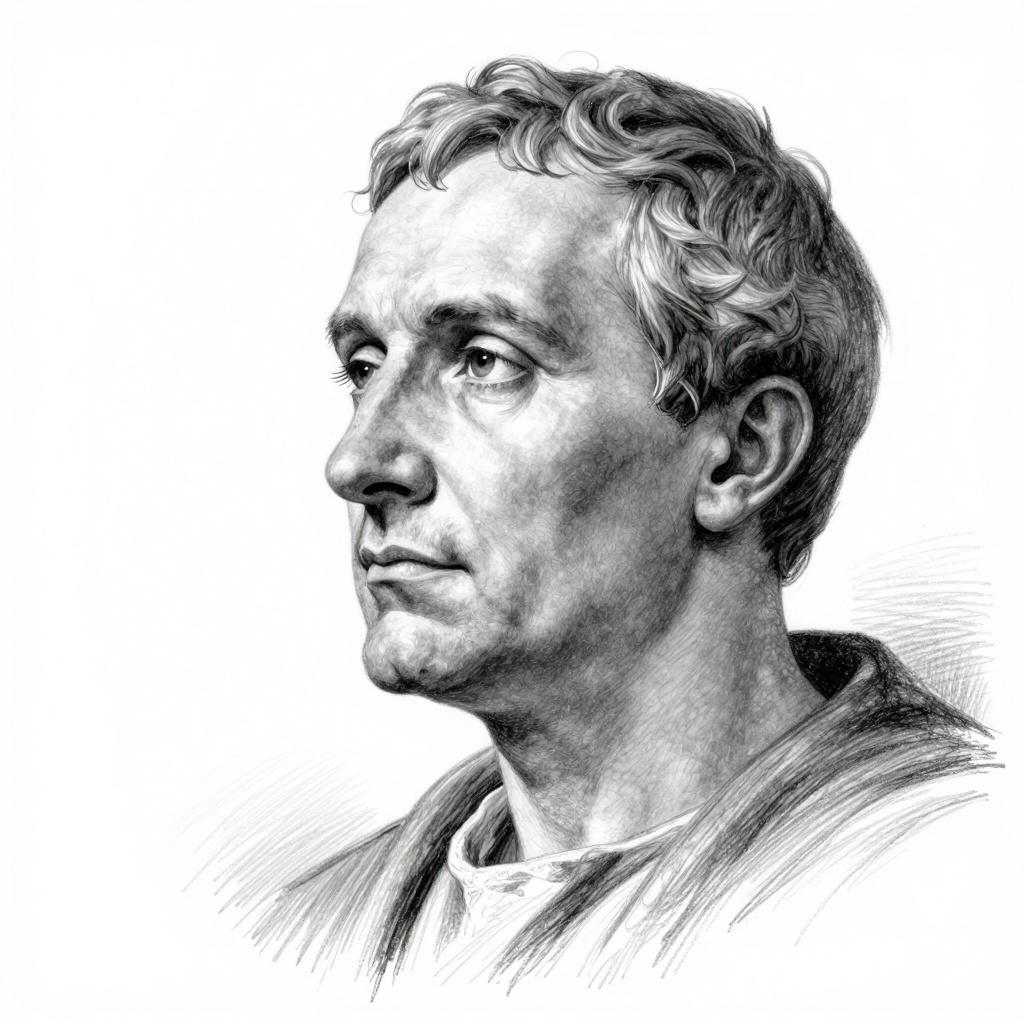
Comments