Quote · Added 14 February 2026
It was pride that changed angels into devils; it is humility that makes men as angels.
Saint AugustineCity of God, Book 14, Chapter 13
No ratings yet
Filed underpride·humility·transformation
Quote · Added 14 February 2026
Filed underpride·humility·transformation
We often picture pride as the obvious villain—the braggart, the show-off, the person who can't stop talking about themselves. But Augustine was pointing at something quieter and more dangerous: the moment you become convinced your own judgment is beyond question, that you've figured something out that puts you above needing help or correction. That's when things start to break. Relationships collapse not from big betrayals but from the quiet refusal to admit you were wrong. Careers stall when someone's too proud to learn from a younger colleague. Families fracture over whose version of events becomes the official truth.
The flip side, though, isn't about groveling or constant self-doubt. Humility in Augustine's view is clarity—seeing yourself accurately, neither inflated nor destroyed. It's the person who can say "I don't know" without shame, who changes their mind when evidence demands it, who recognizes that wisdom often comes from unexpected places. That openness, that willingness to be shaped by reality rather than your own fixed ideas about it, is what keeps you connected to others and to truth itself. It's practically the definition of learning how to actually live.
d. 430
Saint Augustine, also known as Augustine of Hippo, was a renowned Christian theologian and philosopher from the 4th and 5th centuries. He is known for his influential writings on theology and his significant contributions to the development of Western Christianity. Augustine's most famous work, "Confessions," is considered a classic of Christian literature and continues to impact modern philosophical and theological thought.
Also by Saint Augustine
There is no saint without a past, no sinner without a future.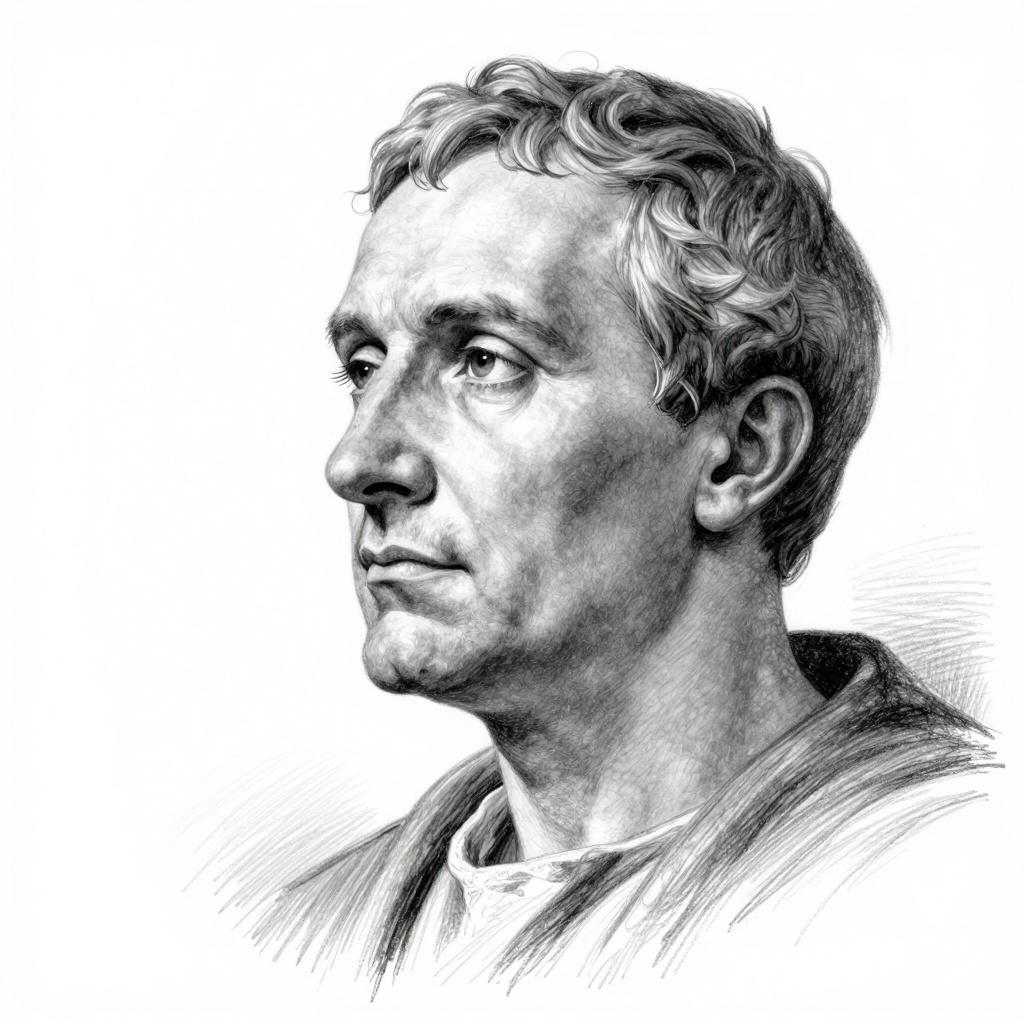
Comments