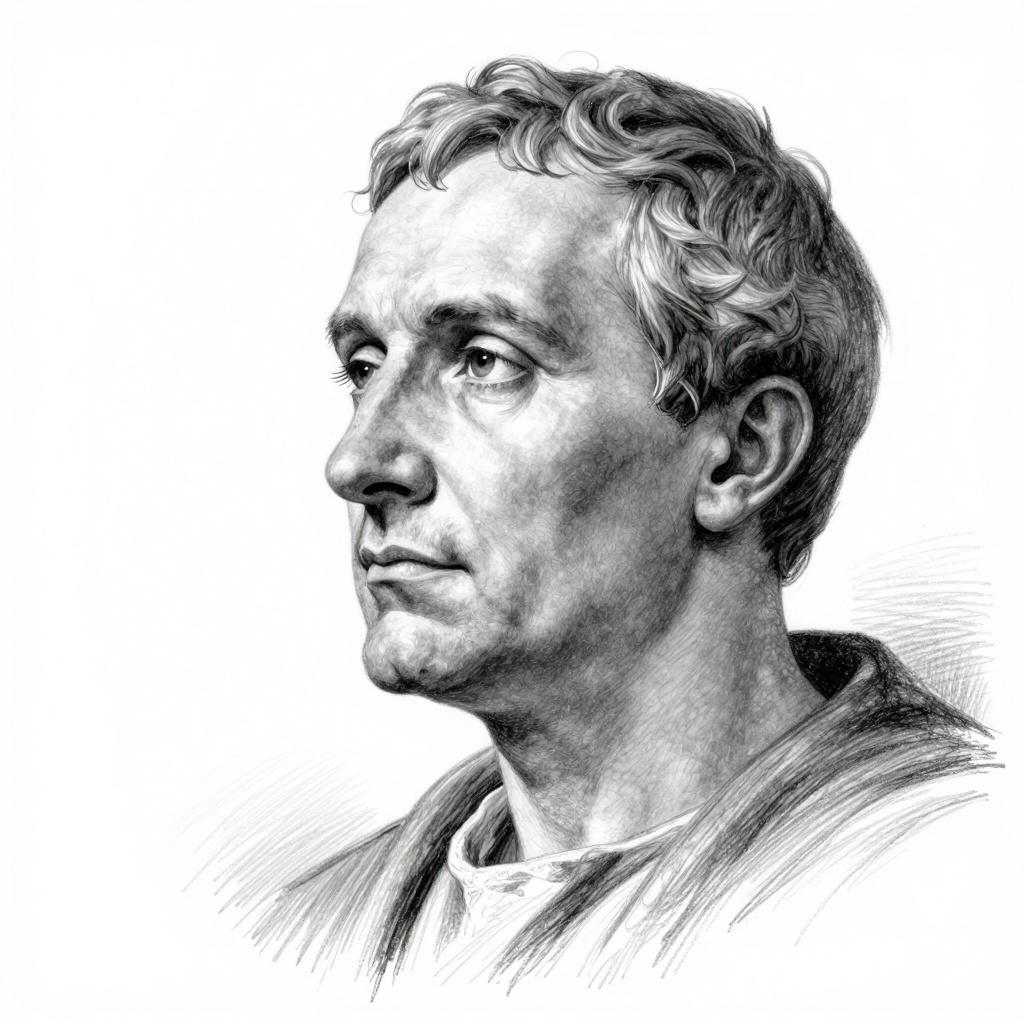
Humility is the foundation of all the other virtues hence, in the soul in which this virtue does not exist the... — Saint Augustine

Humility is the foundation of all the other virtues hence, in the soul in which this virtue does not exist there cannot be any other virtue except in mere appearance.

Author: Saint Augustine

Insight: We tend to think of humility as just one virtue among many—maybe even the quietest one. But Augustine suggests something more unsettling: without it, everything else you think you have falls apart. You might look generous, brave, or honest on the surface, but if you're doing it to protect your ego or prove something about yourself, it's all performance. This hits harder the more successful you become. It's easy to be humble when you're struggling. The real test comes when people praise your work, when you're right about something important, or when you've actually earned recognition. That's when humility becomes the difference between someone who keeps growing and someone who hardens into their own mythology. A genuinely humble person can take criticism, admit mistakes, and learn from people they initially dismissed—because they're not constantly defending an image of themselves. The surprising part isn't that humility matters. It's that Augustine is saying all your other virtues are basically hollow without it. You can't be truly courageous if you're performing bravery for an audience. You can't be truly generous if you're keeping score. Humility isn't the decoration on virtue—it's the load-bearing wall.

The invisible foundation holding everything up

Humility is the foundation of all the other virtues hence, in the soul in which this virtue does not exist there cannot be any other virtue except in mere appearance.

We tend to think of humility as just one virtue among many—maybe even the quietest one. But Augustine suggests something more unsettling: without it, everything else you think you have falls apart. You might look generous, brave, or honest on the surface, but if you're doing it to protect your ego or prove something about yourself, it's all performance.

This hits harder the more successful you become. It's easy to be humble when you're struggling. The real test comes when people praise your work, when you're right about something important, or when you've actually earned recognition. That's when humility becomes the difference between someone who keeps growing and someone who hardens into their own mythology. A genuinely humble person can take criticism, admit mistakes, and learn from people they initially dismissed—because they're not constantly defending an image of themselves.

The surprising part isn't that humility matters. It's that Augustine is saying all your other virtues are basically hollow without it. You can't be truly courageous if you're performing bravery for an audience. You can't be truly generous if you're keeping score. Humility isn't the decoration on virtue—it's the load-bearing wall.

AI generated

Comments

Sign in to leave a comment or reply to one.

Sign in

Saint Augustine

Saint Augustine, also known as Augustine of Hippo, was a renowned Christian theologian and philosopher from the 4th and 5th centuries. He is known for his influential writings on theology and his significant contributions to the development of Western Christianity. Augustine's most famous work, "Confessions," is considered a classic of Christian literature and continues to impact modern philosophical and theological thought.

Graph

Related