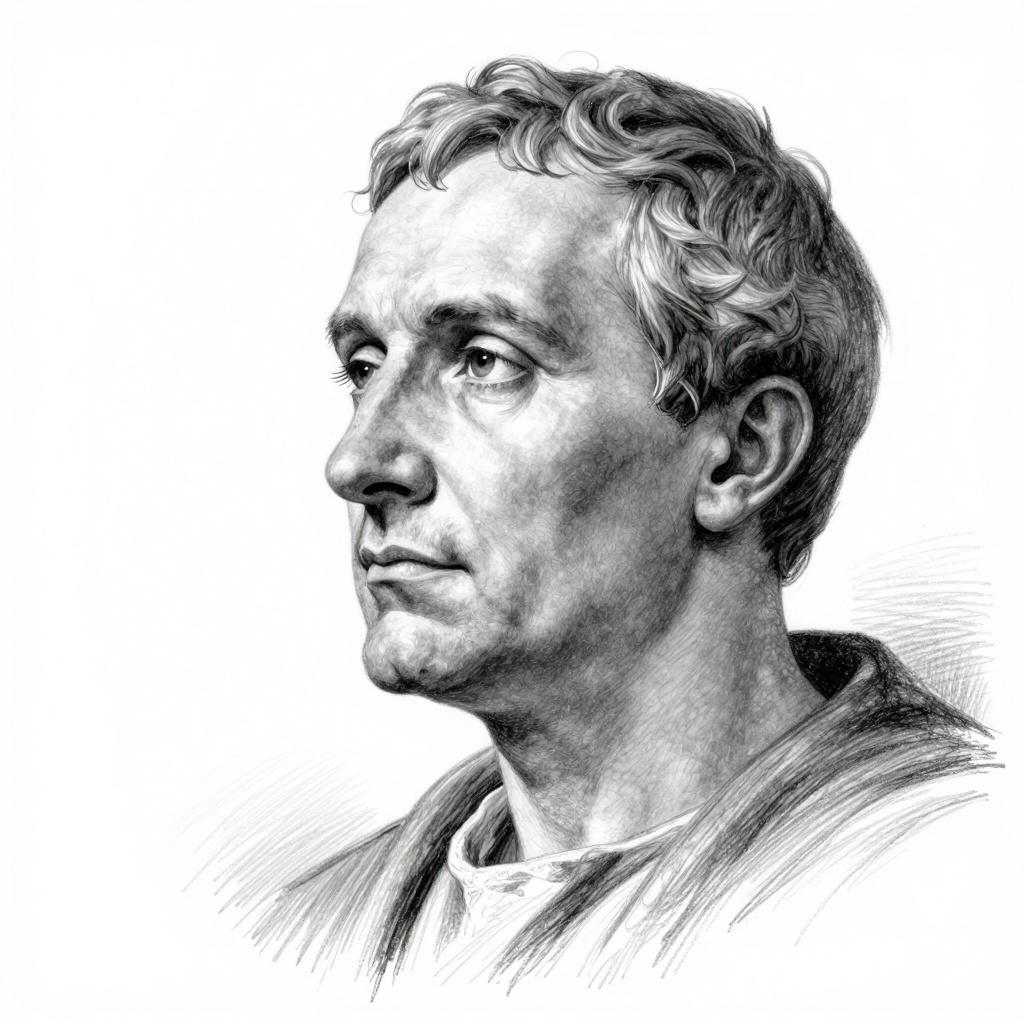
Forgiveness is the remission of sins. For it is by this that what has been lost, and was found, is saved from... — Saint Augustine

Forgiveness is the remission of sins. For it is by this that what has been lost, and was found, is saved from being lost again.

Author: Saint Augustine

Insight: Forgiveness often gets framed as something soft or generous you do for someone else's sake. But Augustine is pointing at something harder and stranger: forgiveness as a way of saving something precious that already came back. When someone wrongs you and then genuinely changes, or when you finally let go of bitterness toward someone, you're not just being nice. You're preventing a kind of double loss. The first loss already happened—trust broken, hurt inflicted. The second loss would be permanent: the relationship, the possibility of repair, the person themselves locked behind your anger forever. This distinction matters because it reframes forgiveness as self-interested in the best way. You're not forgiving to be noble or because you should. You're forgiving because something real—connection, understanding, even just peace—has somehow been recovered, and you get to choose whether to protect it or throw it away again through grudge-holding. The tricky part is that this only works if the recovery actually happened. Forgiveness isn't about pretending harm didn't occur or letting someone off the hook who hasn't changed. It's about recognizing when genuine transformation or repair has actually taken place, and then having the courage to believe in it rather than armor yourself in old wounds.

Saving what came back twice

Forgiveness is the remission of sins. For it is by this that what has been lost, and was found, is saved from being lost again.

Forgiveness often gets framed as something soft or generous you do for someone else's sake. But Augustine is pointing at something harder and stranger: forgiveness as a way of saving something precious that already came back. When someone wrongs you and then genuinely changes, or when you finally let go of bitterness toward someone, you're not just being nice. You're preventing a kind of double loss. The first loss already happened—trust broken, hurt inflicted. The second loss would be permanent: the relationship, the possibility of repair, the person themselves locked behind your anger forever.

This distinction matters because it reframes forgiveness as self-interested in the best way. You're not forgiving to be noble or because you should. You're forgiving because something real—connection, understanding, even just peace—has somehow been recovered, and you get to choose whether to protect it or throw it away again through grudge-holding.

The tricky part is that this only works if the recovery actually happened. Forgiveness isn't about pretending harm didn't occur or letting someone off the hook who hasn't changed. It's about recognizing when genuine transformation or repair has actually taken place, and then having the courage to believe in it rather than armor yourself in old wounds.

AI generated

Comments

Sign in to leave a comment or reply to one.

Sign in

Saint Augustine

Saint Augustine, also known as Augustine of Hippo, was a renowned Christian theologian and philosopher from the 4th and 5th centuries. He is known for his influential writings on theology and his significant contributions to the development of Western Christianity. Augustine's most famous work, "Confessions," is considered a classic of Christian literature and continues to impact modern philosophical and theological thought.

Graph

Related