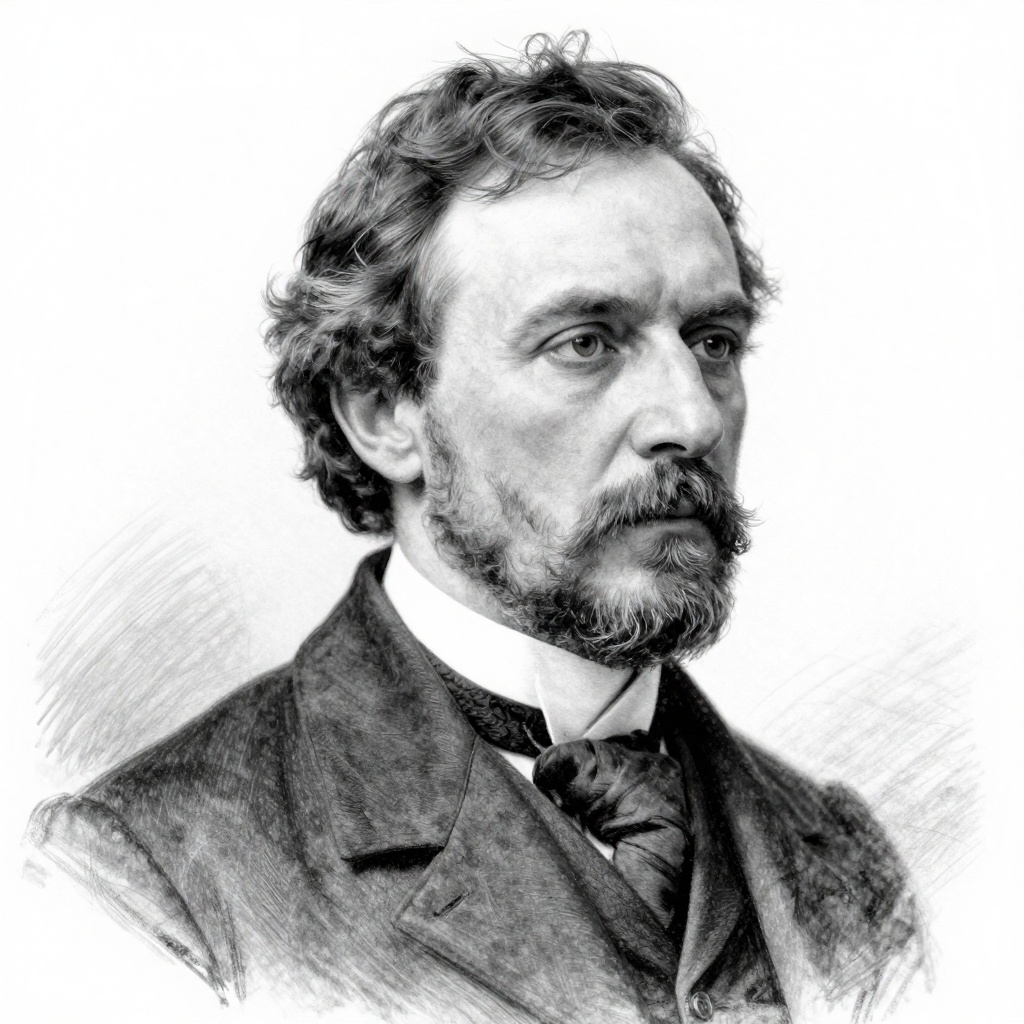
Talk is by far the most accessible of pleasures. It costs nothing in money, it is all profit, it completes our... — Robert Louis Stevenson

Talk is by far the most accessible of pleasures. It costs nothing in money, it is all profit, it completes our education, founds and fosters our friendships, and can be enjoyed at any age and in almost any state of health.

Author: Robert Louis Stevenson

Insight: There's something almost radical about Stevenson's claim that talk might be our truest luxury. We live in an age where we've monetized nearly everything—expertise requires credentials, entertainment requires subscriptions, connection requires apps. Yet conversation remains stubbornly free. Two people in a coffee shop, on a park bench, or just sitting with someone while waiting can experience something genuinely rich that costs nothing and requires no device. What makes this observation surprisingly modern is how we've actually started treating conversation like a scarce resource. We're busier, more distracted, and oddly more isolated despite having more ways to "connect" than ever. The irony is that Stevenson identified something we keep forgetting: the most accessible pleasure is often the one we neglect first. A real conversation—where you actually listen, where someone else listens to you, where ideas get challenged and refined together—does complete your education in a way no algorithm can. The deeper insight is that talk is fundamentally reciprocal. Unlike passive pleasures that happen to you, conversation requires you to show up and be present with another person. That's partly why it sticks with us. We remember the conversations where someone truly understood us more vividly than almost anything else.

The luxury we keep forgetting

Talk is by far the most accessible of pleasures. It costs nothing in money, it is all profit, it completes our education, founds and fosters our friendships, and can be enjoyed at any age and in almost any state of health.

There's something almost radical about Stevenson's claim that talk might be our truest luxury. We live in an age where we've monetized nearly everything—expertise requires credentials, entertainment requires subscriptions, connection requires apps. Yet conversation remains stubbornly free. Two people in a coffee shop, on a park bench, or just sitting with someone while waiting can experience something genuinely rich that costs nothing and requires no device.

What makes this observation surprisingly modern is how we've actually started treating conversation like a scarce resource. We're busier, more distracted, and oddly more isolated despite having more ways to "connect" than ever. The irony is that Stevenson identified something we keep forgetting: the most accessible pleasure is often the one we neglect first. A real conversation—where you actually listen, where someone else listens to you, where ideas get challenged and refined together—does complete your education in a way no algorithm can.

The deeper insight is that talk is fundamentally reciprocal. Unlike passive pleasures that happen to you, conversation requires you to show up and be present with another person. That's partly why it sticks with us. We remember the conversations where someone truly understood us more vividly than almost anything else.

AI generated

Comments

Sign in to leave a comment or reply to one.

Sign in

Robert Louis Stevenson

Robert Louis Stevenson was a Scottish novelist, poet, and travel writer, known for his works such as "Treasure Island" and "Strange Case of Dr Jekyll and Mr Hyde." Stevenson's adventurous tales and exploration of the complexities of human nature have solidified his place as one of the most celebrated writers of the 19th century.

Graph

Related