Quote · Added 15 February 2026
Keep your fears to yourself, but share your courage with others.
No ratings yet
Quote · Added 15 February 2026
There's a quiet wisdom in knowing which feelings serve you best when kept private versus which ones you should broadcast to the world. Fear is slippery—the more you articulate it, the more real it becomes, the more it spreads like a contagion through the people around you. But courage? Courage is the opposite. It grows when you speak it, when you show it, when you let others see you moving forward despite uncertainty.
This doesn't mean pretending you're fearless. It means recognizing that constantly venting anxieties to everyone around you often makes you feel worse, not better, while simultaneously draining the people listening. But when you share how you overcame something hard, or how you're choosing to act anyway, you give others permission to do the same. You become proof that it's possible. That's a gift that multiplies the more you share it.
The real skill here is self-awareness—knowing the difference between a genuine cry for help and just rehearsing your anxiety. One builds connection; the other can trap you both. So feel your fear fully, process it if you need to, but then turn toward what you're actually doing about it. That's the part worth telling people about.
1850–1894·lived 44 years
Robert Louis Stevenson was a Scottish novelist, poet, and travel writer, known for his works such as "Treasure Island" and "Strange Case of Dr Jekyll and Mr Hyde." Stevenson's adventurous tales and exploration of the complexities of human nature have solidified his place as one of the most celebrated writers of the 19th century.
Also by Robert Louis Stevenson
Talk is by far the most accessible of pleasures. It costs nothing in money, it is all prof...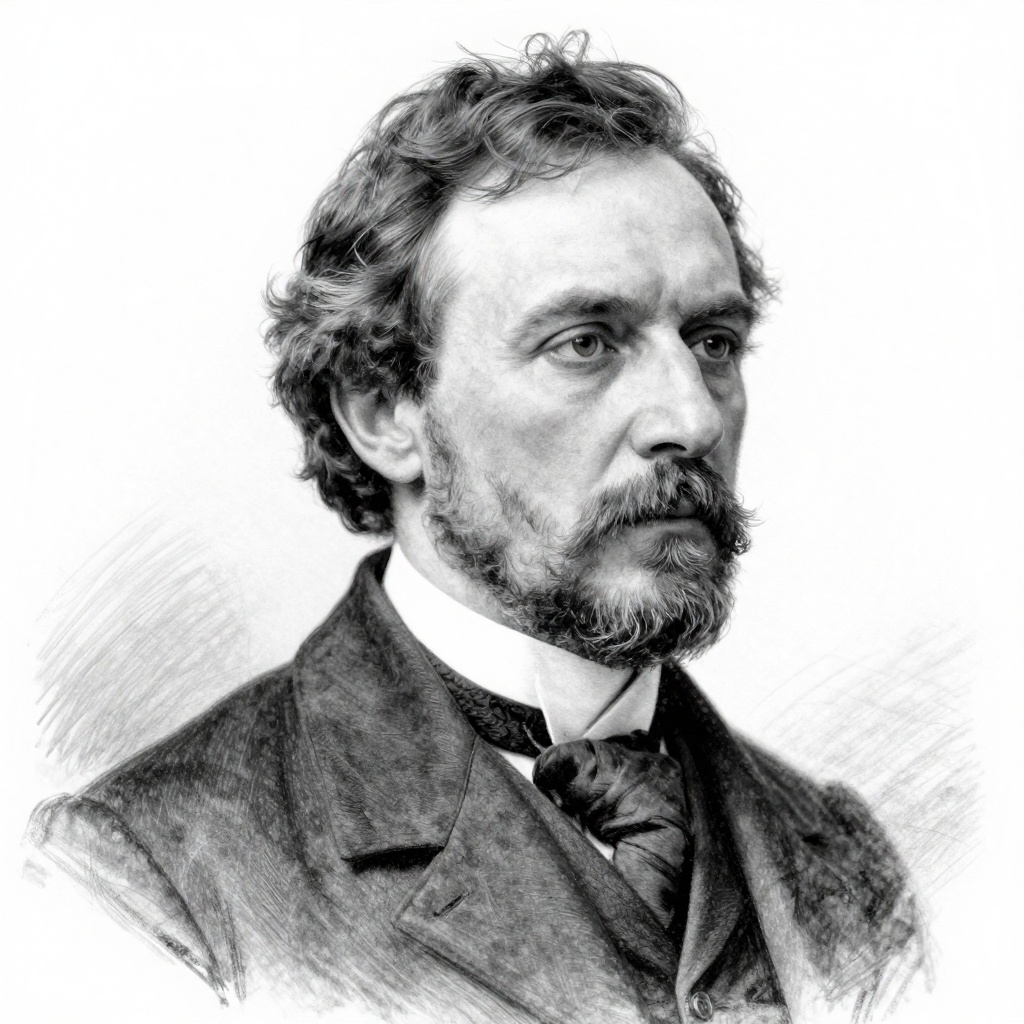
Comments