Quote · Added 14 February 2026
It is a thousand times better to have common sense without education than to have education without common sense.
Robert G. IngersollWhat Must We Do to Be Saved?, Sec. 11, 1880
No ratings yet
Quote · Added 14 February 2026
Most of us know someone brilliant on paper who makes terrible decisions in real life. They can analyze a complex problem but freeze when they need to actually do something about it. Meanwhile, the person without fancy credentials somehow keeps moving forward, making decent choices, recovering from mistakes. This quote captures why: common sense—the ability to see what's in front of you and act reasonably—matters more than accumulated knowledge.
The real insight here isn't anti-education. It's that education without judgment is just expensive noise. A degree or a library of facts won't save you when you're standing in front of an actual human situation that needs wisdom, not information. Common sense is what lets you know when to trust the expert and when they're missing something obvious. It's what keeps you from being paralyzed by too many options or too much theory.
Today, when we're drowning in information and credentials matter hugely for getting your foot in the door, this feels almost radical. But notice how the people you actually trust—the ones who make good calls in messy situations—tend to combine both. The real advantage goes to someone with education who stayed tethered to reality, to their own honest observations about how things actually work. That combination is rare enough to be genuinely powerful.
1833–1899·lived 65 years
Robert G. Ingersoll (1833-1899) was an American lawyer, political figure, and one of the most prominent orators of the 19th century. Known as the "Great Agnostic," he gained fame for his strong advocacy of atheism, secularism, and the separation of church and state, delivering lectures that challenged religious dogma and promoted rational thought. Ingersoll's eloquent speeches and writings made him a significant figure in the broader movement for religious and intellectual freedom during his time.
Also by Robert G. Ingersoll
As more people become more intelligent they care less for preachers and more for teachers.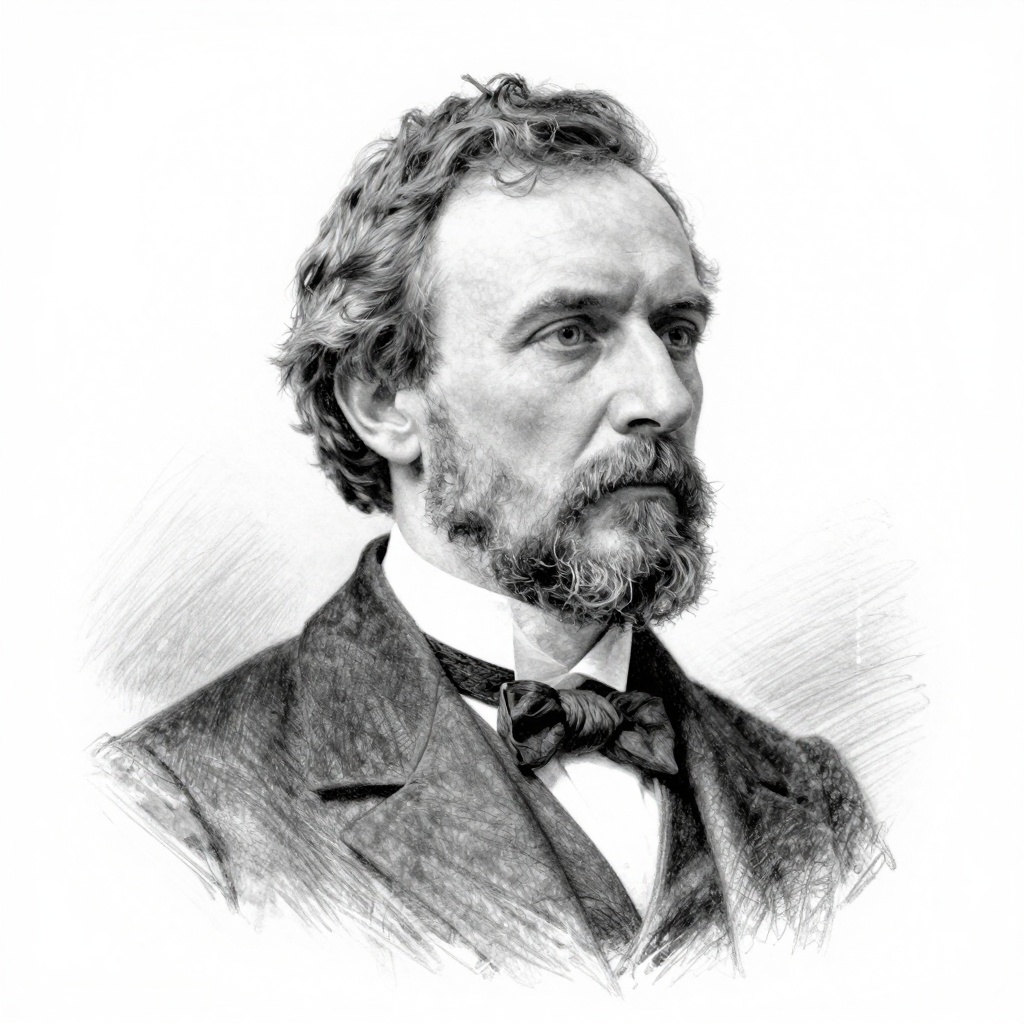
Comments