Quote · Added 14 February 2026
Kindness is the sunshine in which virtue grows.
Robert G. IngersollThe Works of Robert G. Ingersoll, Vol. 1, 1900
No ratings yet
Quote · Added 14 February 2026
We tend to think of kindness as something nice but optional—a bonus feature on top of being a decent person. But this quote suggests something more fundamental: kindness isn't just a virtue itself; it's the enabling condition for all the other good qualities we want to develop. It's the warmth that makes everything else possible.
Think about how you actually grow as a person. When someone treats you with genuine kindness, you feel safe enough to be honest, to admit mistakes, to try harder. You want to show up better. Criticism and judgment might push you into compliance, but only kindness pulls you toward becoming someone you actually want to be. The same works outward—people flourish in your presence when they feel accepted, not audited.
The slightly counterintuitive part is that this means kindness isn't weakness or naivety. It's structural. It's the soil that everything else needs. You can't shame someone into integrity or bully them into generosity. Without the underlying warmth of kindness creating the right conditions, virtue becomes just hollow performance. When you lead with kindness—toward others and yourself—you're not being soft. You're actually being strategic about how growth actually happens.
1833–1899·lived 65 years
Robert G. Ingersoll (1833-1899) was an American lawyer, political figure, and one of the most prominent orators of the 19th century. Known as the "Great Agnostic," he gained fame for his strong advocacy of atheism, secularism, and the separation of church and state, delivering lectures that challenged religious dogma and promoted rational thought. Ingersoll's eloquent speeches and writings made him a significant figure in the broader movement for religious and intellectual freedom during his time.
Also by Robert G. Ingersoll
As more people become more intelligent they care less for preachers and more for teachers.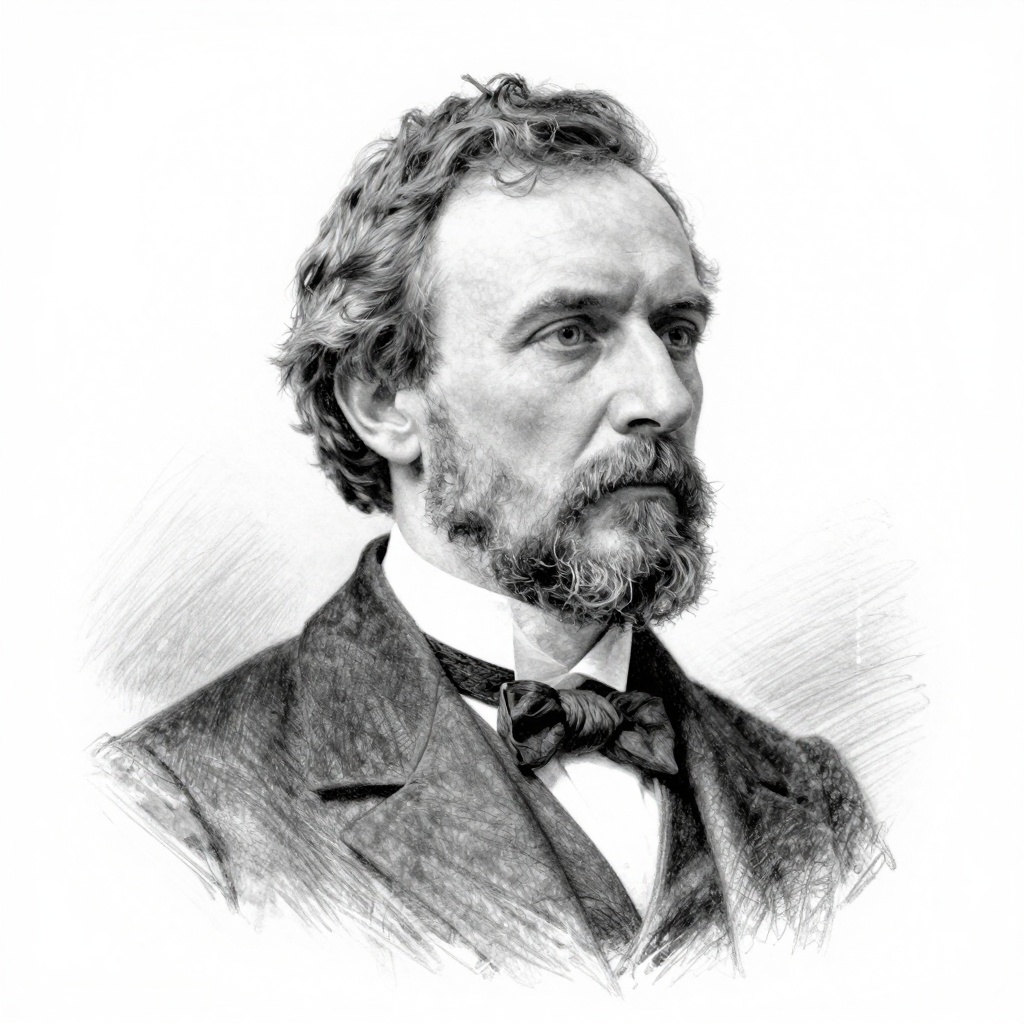
Comments