Quote · Added 16 March 2026
As more people become more intelligent they care less for preachers and more for teachers.
No ratings yet
Filed underintelligence·education·authority
Quote · Added 16 March 2026
Filed underintelligence·education·authority
There's a real shift happening in how we respond to people who try to influence us. We're increasingly suspicious of anyone who seems to want our certainty more than our understanding—the kind of person who offers answers wrapped in conviction rather than curiosity. A preacher, in this sense, isn't necessarily someone in a pulpit; it's anyone selling you a complete worldview without inviting questions.
Teachers do something fundamentally different. They show their work. They're comfortable saying "I don't know" or "here's where I could be wrong." They assume you're capable of thinking, not just listening. What's interesting is that this shift doesn't require people to actually become more intelligent—it requires them to feel more intelligent, to be treated like their opinions matter enough to be examined rather than simply absorbed. The moment someone starts treating you like you can handle complexity, you start wanting more complexity and less certainty.
This matters now because we're drowning in preachers. They're everywhere—confident voices on every platform, selling political certainties, lifestyle philosophies, investment strategies. The antidote isn't to find someone smarter to believe. It's to notice when you're being preached at versus taught, and to choose accordingly.
1833–1899·lived 65 years
Robert G. Ingersoll (1833-1899) was an American lawyer, political figure, and one of the most prominent orators of the 19th century. Known as the "Great Agnostic," he gained fame for his strong advocacy of atheism, secularism, and the separation of church and state, delivering lectures that challenged religious dogma and promoted rational thought. Ingersoll's eloquent speeches and writings made him a significant figure in the broader movement for religious and intellectual freedom during his time.
Also by Robert G. Ingersoll
The greatest test of courage on earth is to bear defeat without losing heart.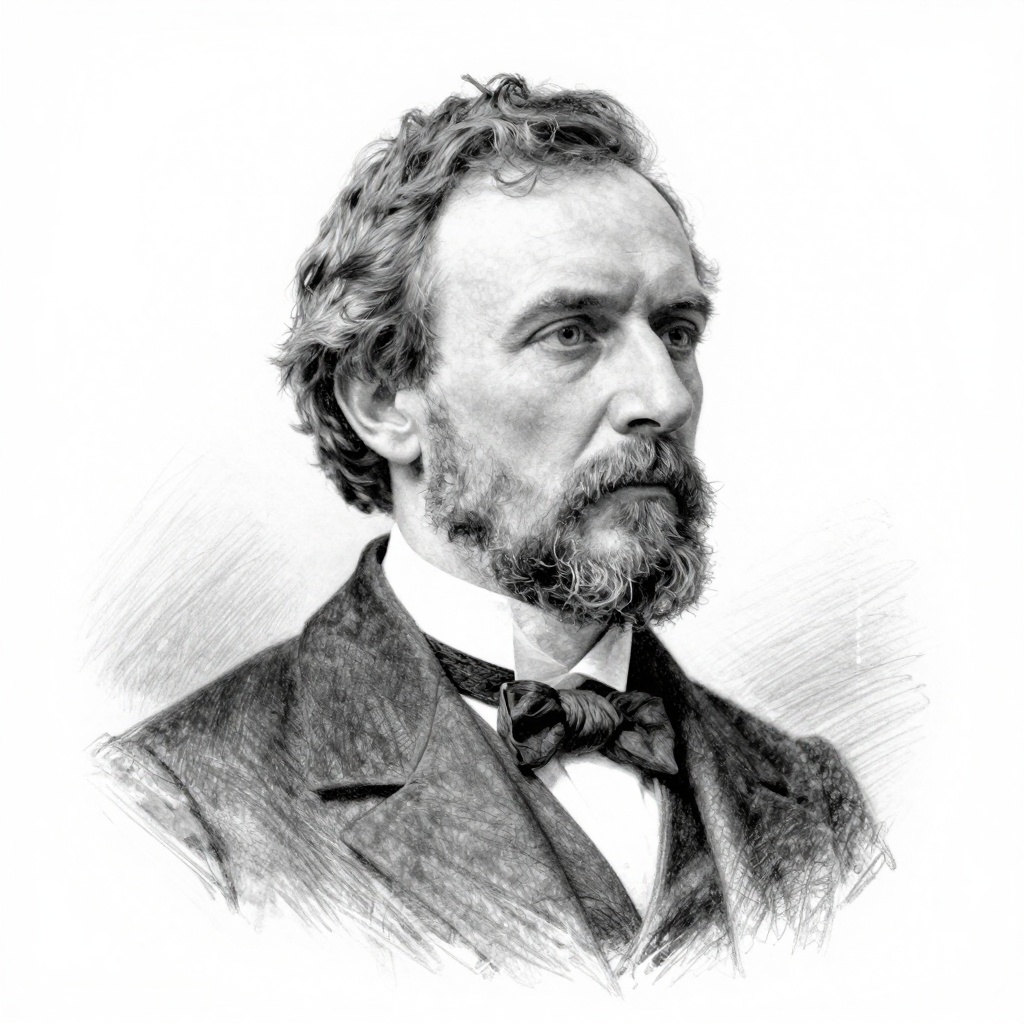
Comments