Quote · Added 28 February 2026
The greatest test of courage on earth is to bear defeat without losing heart.
No ratings yet
Filed undercourage·defeat·resilience
Quote · Added 28 February 2026
Filed undercourage·defeat·resilience
We live in a culture obsessed with winning, which makes defeat feel like something to hide or forget as quickly as possible. But Ingersoll points to something rarely discussed: the actual test isn't in victory—it's in what happens after you lose. Anyone can feel courageous when things are going well. Real courage shows up in the quiet moment after failure, when you're deciding whether to try again or give up.
This matters more now than ever, because we see failure broadcast instantly. A rejected job application, a failed business, a relationship that didn't work out—these things can feel permanent in a world of permanent records. The temptation isn't just to move on, it's to internalize the loss as proof of your inadequacy. Bearing defeat without losing heart means resisting that narrative. It means distinguishing between "I failed at this thing" and "I am a failure."
The non-obvious part? This kind of courage is actually harder than the dramatic, visible kind. It requires sustaining belief in yourself when the external world has just told you that you're not good enough. That's not motivational speak—it's genuine psychological work. Ingersoll knew that holding onto hope after defeat isn't weakness or delusion. It's the truest form of strength.
1833–1899·lived 65 years
Robert G. Ingersoll (1833-1899) was an American lawyer, political figure, and one of the most prominent orators of the 19th century. Known as the "Great Agnostic," he gained fame for his strong advocacy of atheism, secularism, and the separation of church and state, delivering lectures that challenged religious dogma and promoted rational thought. Ingersoll's eloquent speeches and writings made him a significant figure in the broader movement for religious and intellectual freedom during his time.
Also by Robert G. Ingersoll
As more people become more intelligent they care less for preachers and more for teachers.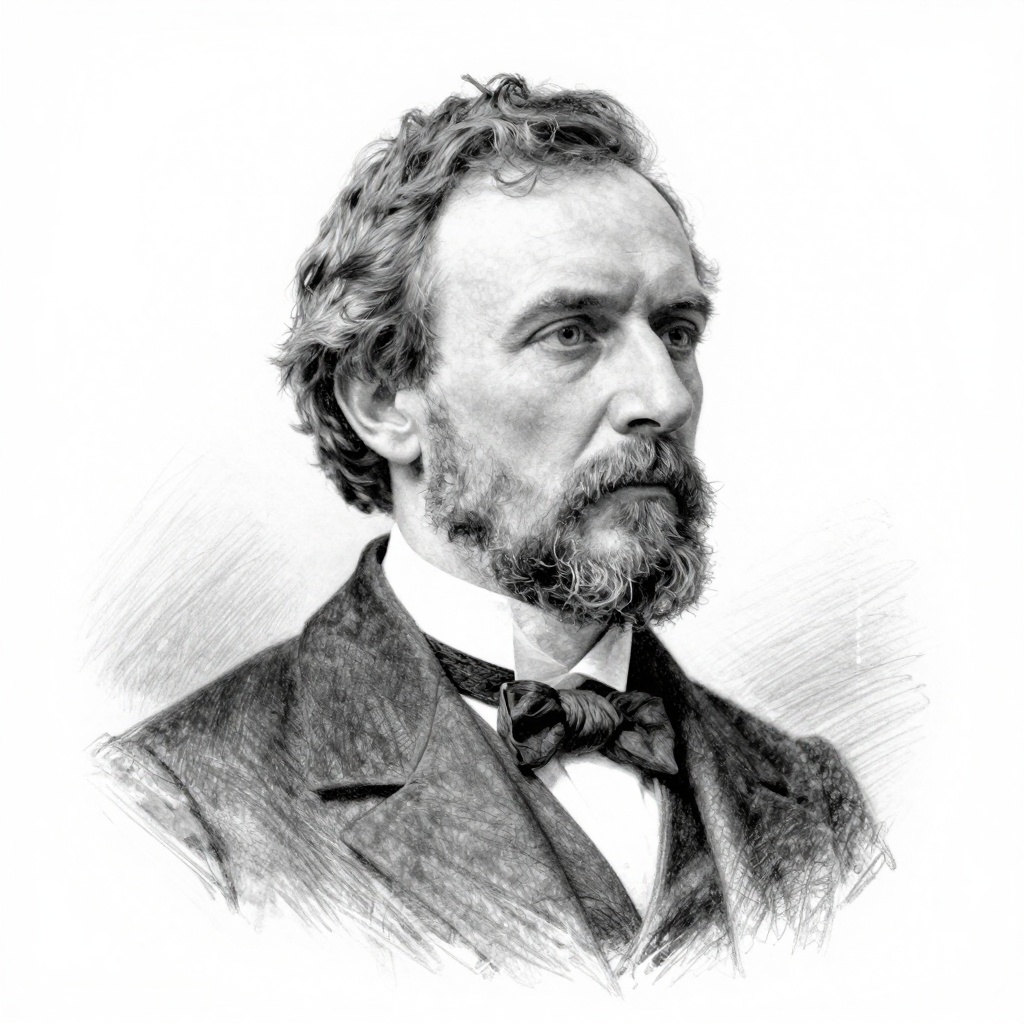
Comments