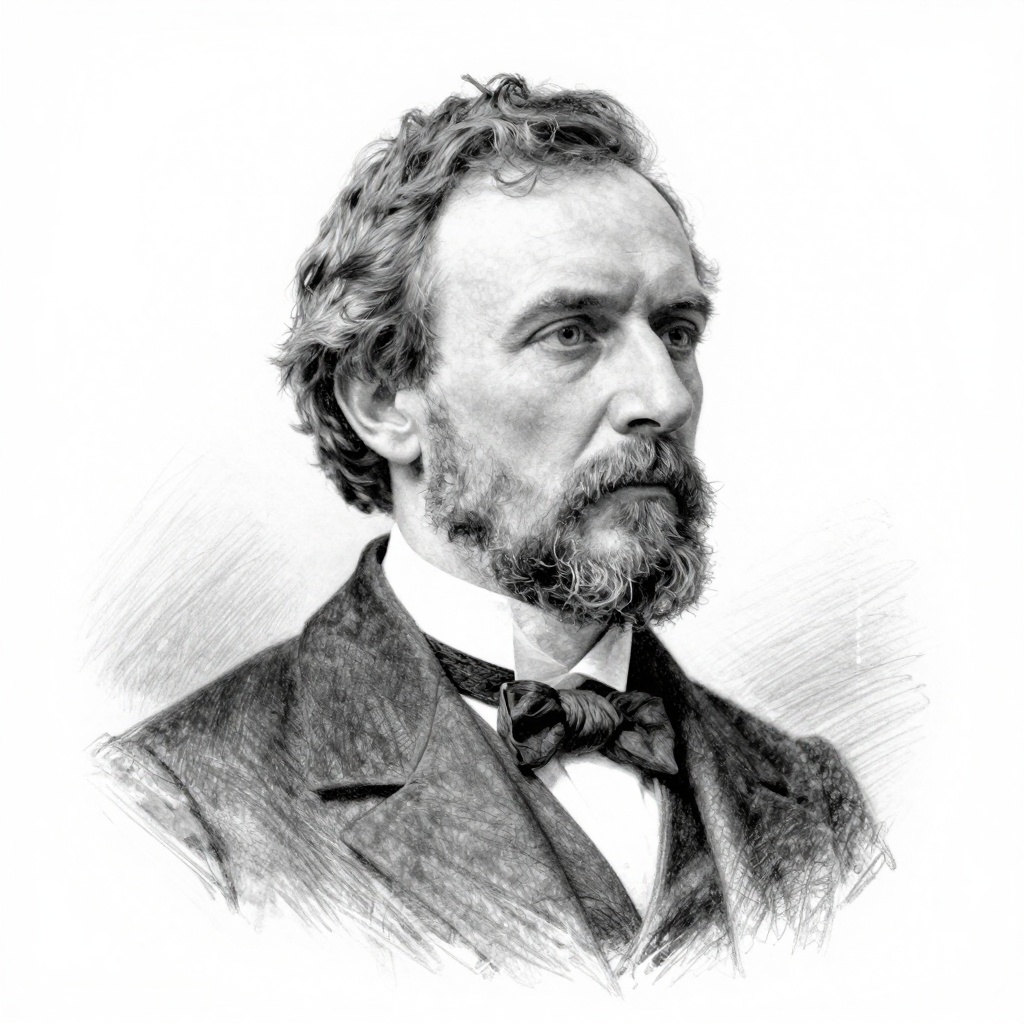
In nature there are neither rewards nor punishments; there are consequences. — Robert G. Ingersoll

In nature there are neither rewards nor punishments; there are consequences.

Author: Robert G. Ingersoll

Insight: We're wired to think in terms of fairness—that good behavior gets rewarded and bad behavior gets punished. But nature doesn't work that way, and neither does real life. A runner who trains consistently gets faster. Someone who eats poorly and ignores stress eventually feels it in their body. A friend who never listens gradually finds themselves alone. These aren't punishments handed down by some cosmic judge. They're just what naturally follows from what you do. The difference matters more than it sounds. When we frame life as rewards and punishments, we're often waiting for someone or something to notice we deserve better. We feel cheated when good intentions don't immediately pay off, or when we get away with something and expect consequences that never arrive. But consequences don't care about our intentions or what we think is fair. They're neutral cause-and-effect, playing out whether we acknowledge them or not. This clarity is actually liberating. It means you're not waiting for the universe to balance a ledger in your favor. It means every action genuinely shapes what comes next, with no exceptions, no cosmic mercy. That can feel harsh until you realize it puts actual power in your hands right now.

What You Do Shapes What Comes Next

In nature there are neither rewards nor punishments; there are consequences.

We're wired to think in terms of fairness—that good behavior gets rewarded and bad behavior gets punished. But nature doesn't work that way, and neither does real life. A runner who trains consistently gets faster. Someone who eats poorly and ignores stress eventually feels it in their body. A friend who never listens gradually finds themselves alone. These aren't punishments handed down by some cosmic judge. They're just what naturally follows from what you do.

The difference matters more than it sounds. When we frame life as rewards and punishments, we're often waiting for someone or something to notice we deserve better. We feel cheated when good intentions don't immediately pay off, or when we get away with something and expect consequences that never arrive. But consequences don't care about our intentions or what we think is fair. They're neutral cause-and-effect, playing out whether we acknowledge them or not.

This clarity is actually liberating. It means you're not waiting for the universe to balance a ledger in your favor. It means every action genuinely shapes what comes next, with no exceptions, no cosmic mercy. That can feel harsh until you realize it puts actual power in your hands right now.

AI generated

Comments

Sign in to leave a comment or reply to one.

Sign in

Robert G. Ingersoll

Robert G. Ingersoll (1833-1899) was an American lawyer, political figure, and one of the most prominent orators of the 19th century. Known as the "Great Agnostic," he gained fame for his strong advocacy of atheism, secularism, and the separation of church and state, delivering lectures that challenged religious dogma and promoted rational thought. Ingersoll's eloquent speeches and writings made him a significant figure in the broader movement for religious and intellectual freedom during his time.

Graph

Related