Quote · Added 11 February 2026
What is a weed? A plant whose virtues have never been discovered.
Ralph Waldo EmersonWeeds Are Us, The New York Times Magazine, 1989
Quote · Added 11 February 2026
There's something disarming about calling a weed simply "a plant we haven't figured out yet." It reframes the whole thing—suddenly the problem isn't the plant, it's us. We decided dandelions were useless, so we spray them. We deemed clover inferior to monoculture grass, so we fight it. But what if we were just looking in the wrong direction?
This matters more now than ever because we're living through the consequences of that kind of dismissal. Plants we once wrote off as worthless turned out to be medicines, food sources, or ecological glue holding things together. The bitter greens your grandmother cooked are suddenly trendy. The "invasive" species providing food for pollinators. It's a reminder that our categories—useful, worthless, beautiful, ugly—are surprisingly temporary. They shift the moment we actually pay attention or our circumstances change.
The deeper insight is about humility. How many other things do we label as failures or mistakes before we've actually understood them? A difficult person might just be someone speaking a language we haven't learned. A failure might contain the seeds of something better. Emerson's weed isn't really about botany at all. It's about what happens when we assume we already know what something is worth.
1803–1882·lived 78 years
Ralph Waldo Emerson (1803–1882) was an American essayist, lecturer, and poet who led the Transcendentalist movement of the mid-19th century. He is known for his philosophical essays, particularly "Nature" and "Self-Reliance," which emphasize individualism, self-reliance, and the importance of nature as a spiritual force.
Also by Ralph Waldo Emerson
Be silly, be honest, be kind.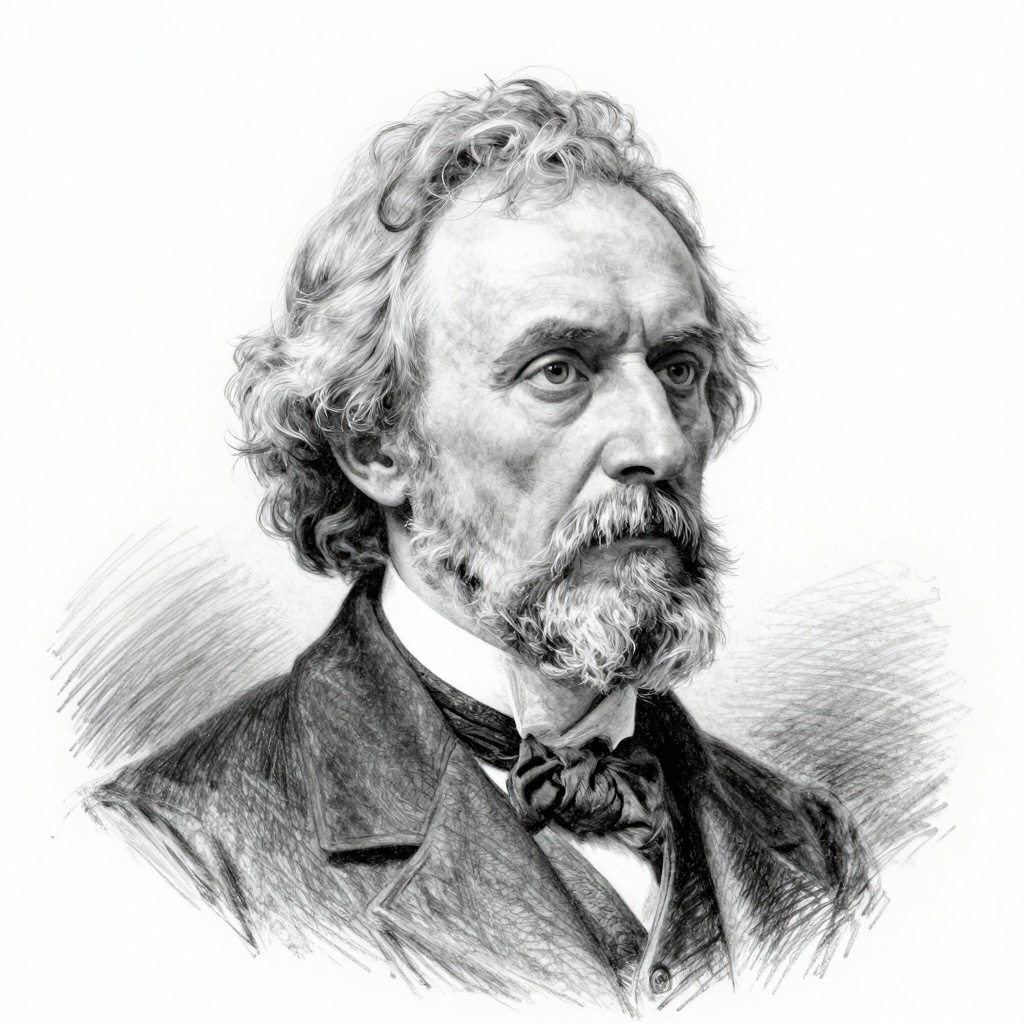
Comments