Quote · Added 14 February 2026
We gain the strength of the temptation we resist.
Ralph Waldo EmersonThe Essential Writings of Ralph Waldo Emerson, 2000
Filed understrength·temptation·resilience
Quote · Added 14 February 2026
Filed understrength·temptation·resilience
There's something counterintuitive about this idea that actually tracks with how life works. When you say no to something you genuinely want—whether it's scrolling your phone at midnight, eating the whole cake, or leaving a job that pays well but drains you—you're not just avoiding something. You're building actual capacity. The muscle you exercise is real.
Most people think of temptation as something to white-knuckle through, a weakness they're managing. But Emerson's suggesting something different: that the struggle itself is the point. Each time you choose differently than your impulses want, you're rewiring what's possible for you. You're proving to yourself that you can want two things at once—comfort and growth, ease and integrity—and still choose the harder path. That choice accumulates.
The tricky part is that this works in both directions. The temptations you give in to also build strength, just in the opposite way. They build the habit of surrender. So you're never standing still with temptation; you're always strengthening one version of yourself or the other. Understanding that can shift how you see everyday moments of resistance—not as deprivation, but as the actual construction of who you're becoming.
1803–1882·lived 78 years
Ralph Waldo Emerson (1803–1882) was an American essayist, lecturer, and poet who led the Transcendentalist movement of the mid-19th century. He is known for his philosophical essays, particularly "Nature" and "Self-Reliance," which emphasize individualism, self-reliance, and the importance of nature as a spiritual force.
Also by Ralph Waldo Emerson
Be silly, be honest, be kind.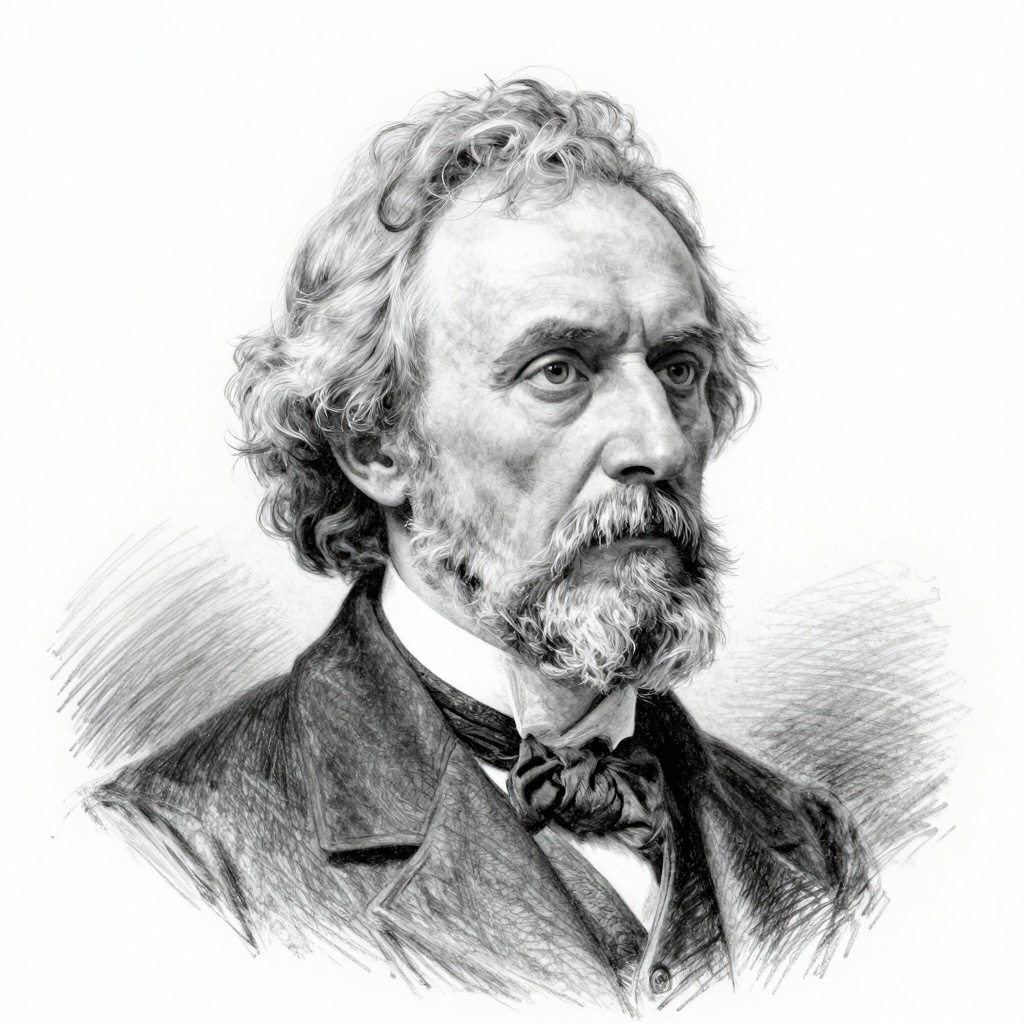
Comments