Quote · Added 2 September 2023
To be yourself in a world that is constantly trying to make you something else is the greatest accomplishment.
Ralph Waldo EmersonSelf-Reliance, 1840
Filed underself·individuality·resistance
Quote · Added 2 September 2023
Filed underself·individuality·resistance
There's a quiet rebellion in staying true to yourself, and we feel it most acutely in the moments when we're smallest—when we laugh at a joke nobody else finds funny, when we admit we don't know something, when we choose the path that feels right even though it's unconventional. The world has gotten louder about its expectations since Emerson's time, not quieter. Social media, career ladders, family scripts, and cultural shortcuts all whisper (or shout) at us about who we should be. It takes real courage to disappoint people's expectations of you.
What makes this accomplishment so rare isn't that it requires dramatic acts of defiance. It's smaller than that—and harder. It's the daily choice to trust your own judgment when algorithms are betting against you, to say no without elaborate justification, to pursue something that looks strange from the outside but feels alive to you. Most of us get tangled between who we actually are and who we think we're supposed to be, and we never quite untangle it.
The twist is that being yourself isn't selfish or rebellious in any obvious way. It's actually the only thing that stops you from becoming a stranger to yourself. When you finally quit performing, you stop exhausting yourself trying to maintain an image. You become harder to manipulate, easier to trust, and capable of genuinely connecting with others. Your authenticity is where your actual power lives.
1803–1882·lived 78 years
Ralph Waldo Emerson (1803–1882) was an American essayist, lecturer, and poet who led the Transcendentalist movement of the mid-19th century. He is known for his philosophical essays, particularly "Nature" and "Self-Reliance," which emphasize individualism, self-reliance, and the importance of nature as a spiritual force.
Also by Ralph Waldo Emerson
Be silly, be honest, be kind.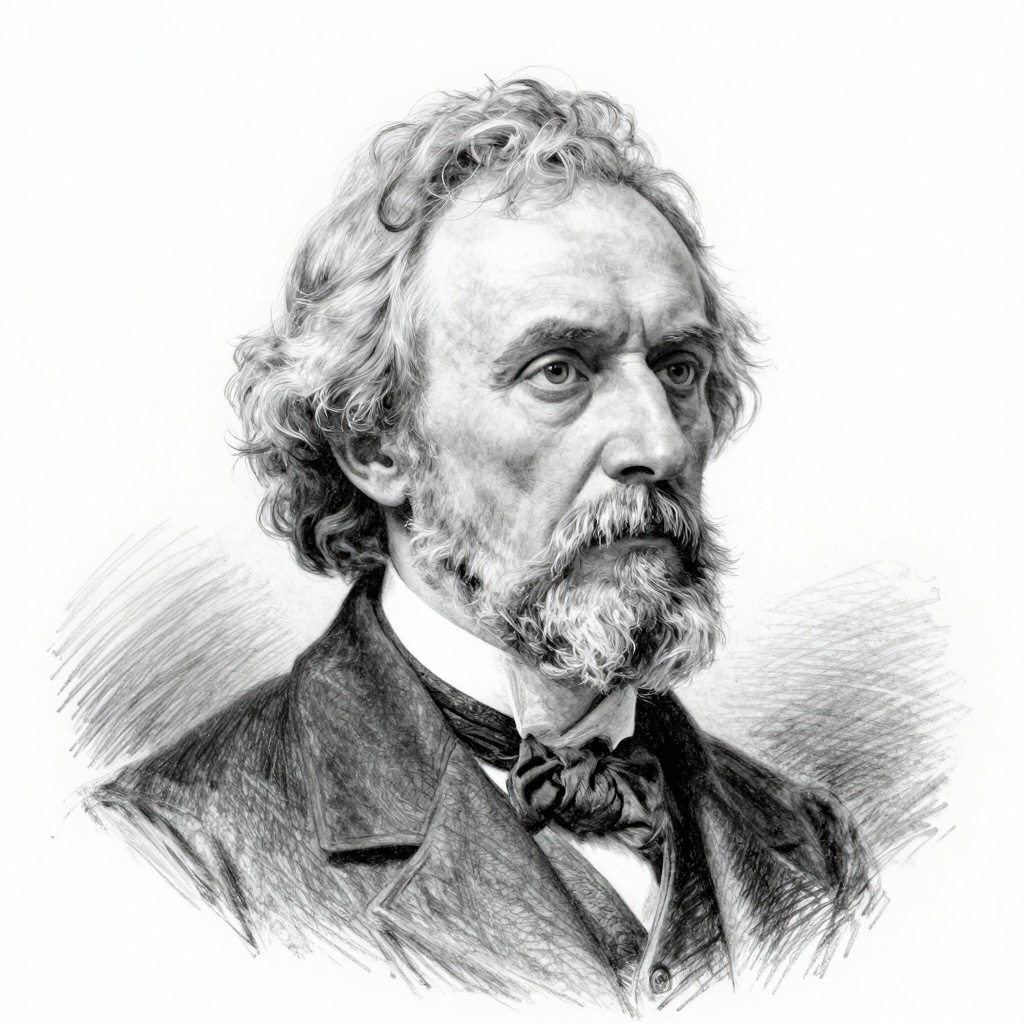
Comments