Quote · Added 14 February 2026
The sky is the daily bread of the eyes.
Ralph Waldo EmersonNature, 1836
Filed undersky·beauty·nourishment
Quote · Added 14 February 2026
Filed undersky·beauty·nourishment
There's something almost stubborn about how we stop noticing the sky. It's there every single day, free and vast, yet most of us walk around with our heads down, treating it like elevator music for our vision—background noise we've tuned out. Emerson's phrase captures something we've forgotten: that simply looking up is a form of nourishment, not decoration or distraction.
Think about the last time you actually watched the sky change. Not a screenshot of a sunset, but the real thing unfolding in time. That pause, however brief, does something. It reminds you that you're part of something larger and that beauty doesn't require effort to produce, only attention to receive. The sky feeds the eyes the way food feeds the body—not as luxury, but as something essential we genuinely need.
The odd part is how cheaply we've given this up. We have better weather apps and photography than ever, yet we feel less connected to the actual experience. Maybe nourishment requires something apps can't provide: you have to step outside and actually look, without recording it or analyzing it. The sky's daily gift to us remains exactly what it was in Emerson's time. The question is whether we're hungry enough to notice.
1803–1882·lived 78 years
Ralph Waldo Emerson (1803–1882) was an American essayist, lecturer, and poet who led the Transcendentalist movement of the mid-19th century. He is known for his philosophical essays, particularly "Nature" and "Self-Reliance," which emphasize individualism, self-reliance, and the importance of nature as a spiritual force.
Also by Ralph Waldo Emerson
Be silly, be honest, be kind.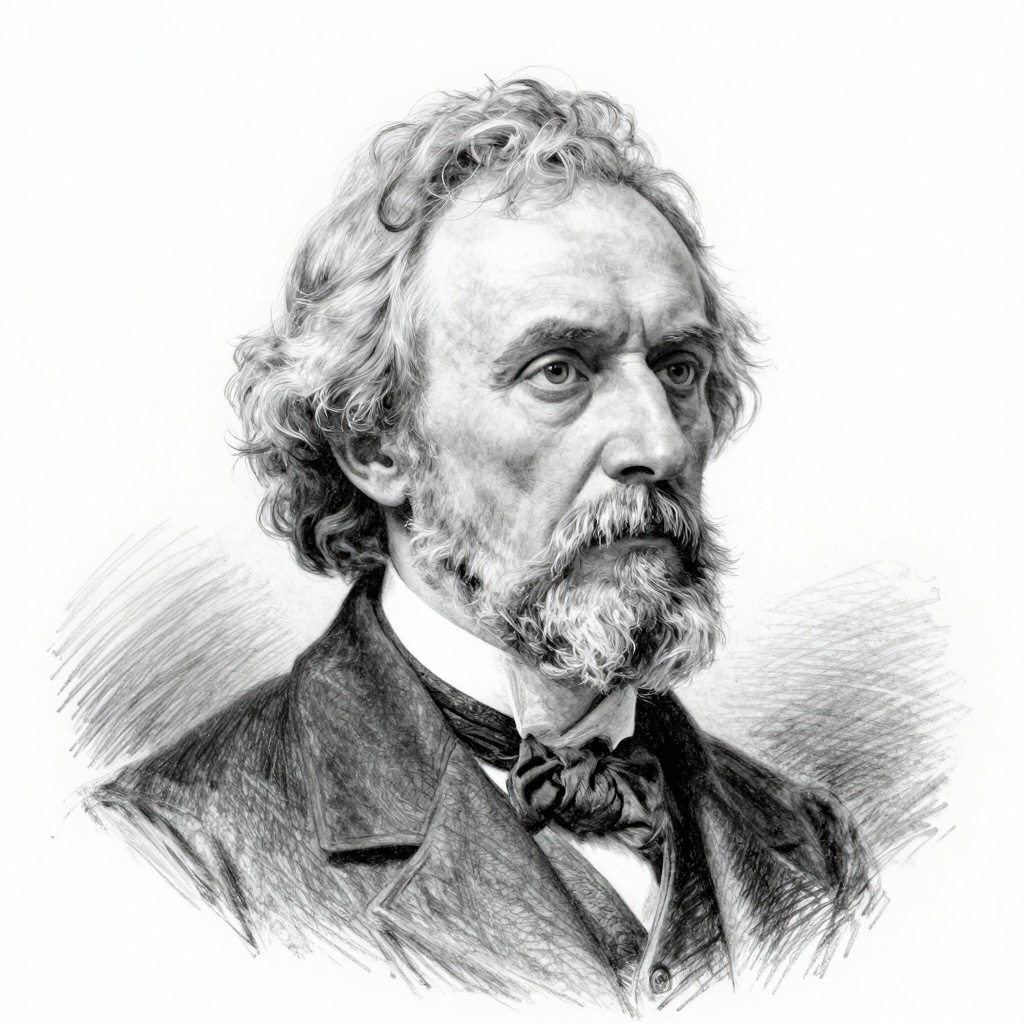
Comments