Quote · Added 14 February 2026
The end of the human race will be that it will eventually die of civilization.
Ralph Waldo EmersonSociety and Solitude, 1870
Filed undercivilization·mortality·consequence
Quote · Added 14 February 2026
Filed undercivilization·mortality·consequence
We tend to think of civilization as our greatest achievement—the thing that saves us from chaos. But Emerson's warning cuts the other way: what if the structures we build to protect ourselves actually hollow us out? The more comfortable and automated our lives become, the less we rely on instinct, resilience, and direct connection to reality. We outsource our thinking to algorithms, our navigation to GPS, our memory to phones. Each convenience is rational in the moment, but the cumulative effect might be atrophy.
The real sting of this quote isn't that technology or progress is bad. It's that civilization can anesthetize us in dangerous ways. We become dependent on systems we don't understand, separated from natural consequences, increasingly fragile even as we feel more secure. A society that can't grow its own food, fix its own tools, or think independently has quietly surrendered something vital. The collapse doesn't come from external invasion but from internal softening.
This isn't an argument to abandon modern life. But it does suggest we should resist the complete outsourcing of our competence and judgment. The risk isn't that civilization will suddenly fail us—it's that we'll gradually forget how to survive without it, until we can't.
1803–1882·lived 78 years
Ralph Waldo Emerson (1803–1882) was an American essayist, lecturer, and poet who led the Transcendentalist movement of the mid-19th century. He is known for his philosophical essays, particularly "Nature" and "Self-Reliance," which emphasize individualism, self-reliance, and the importance of nature as a spiritual force.
Also by Ralph Waldo Emerson
Be silly, be honest, be kind.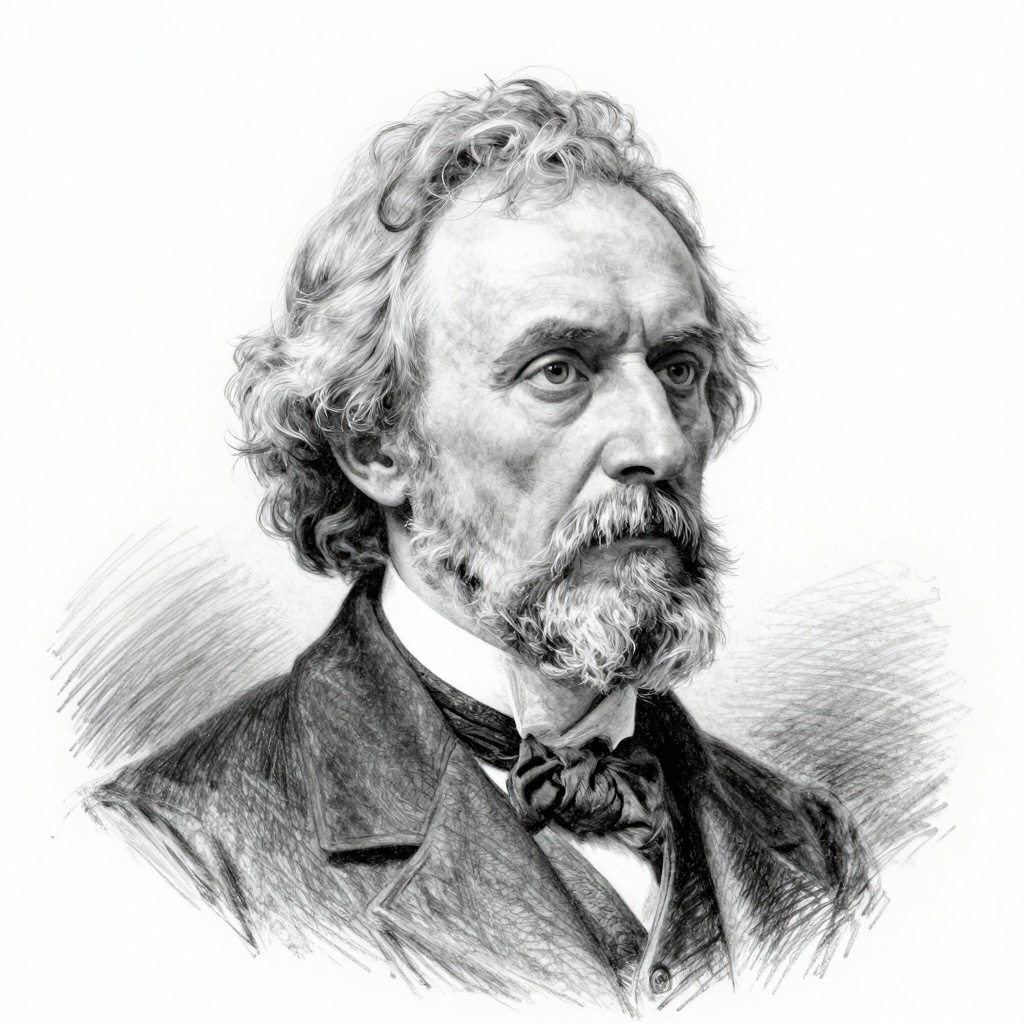
Comments