Quote · Added 19 February 2026
Sometimes a scream is better than a thesis.
Filed underscream·expression·frustration
Quote · Added 19 February 2026
Filed underscream·expression·frustration
There's a particular kind of frustration that builds when you're trying to explain something that matters deeply to you, and the words just won't cooperate. You craft careful sentences, marshal your arguments, present evidence—and somehow the person across from you still doesn't get it. That's when Emerson's point hits different. Sometimes the raw, unfiltered expression of what you actually feel communicates more truth than any perfectly reasoned argument could.
We live in an age obsessed with justified positions and measured takes. We're encouraged to be articulate, to back everything up, to think before we speak. That's useful advice most of the time. But it can also become a cage. The scream—whether literal or metaphorical—cuts through the performance. It says: this matters to me. I can't package this neatly. A parent's anguished cry for help might accomplish more than a detailed explanation of why they're struggling. A artist's raw work often moves us more than an artist's statement about their intentions.
The non-obvious part is that Emerson isn't arguing against thinking. He's suggesting that sometimes authenticity and immediacy have their own kind of intelligence. The scream knows something the thesis doesn't: that we're human first, rational second, and sometimes the fastest route to being understood is through honest emotion rather than perfect argument.
1803–1882·lived 78 years
Ralph Waldo Emerson (1803–1882) was an American essayist, lecturer, and poet who led the Transcendentalist movement of the mid-19th century. He is known for his philosophical essays, particularly "Nature" and "Self-Reliance," which emphasize individualism, self-reliance, and the importance of nature as a spiritual force.
Also by Ralph Waldo Emerson
Be silly, be honest, be kind.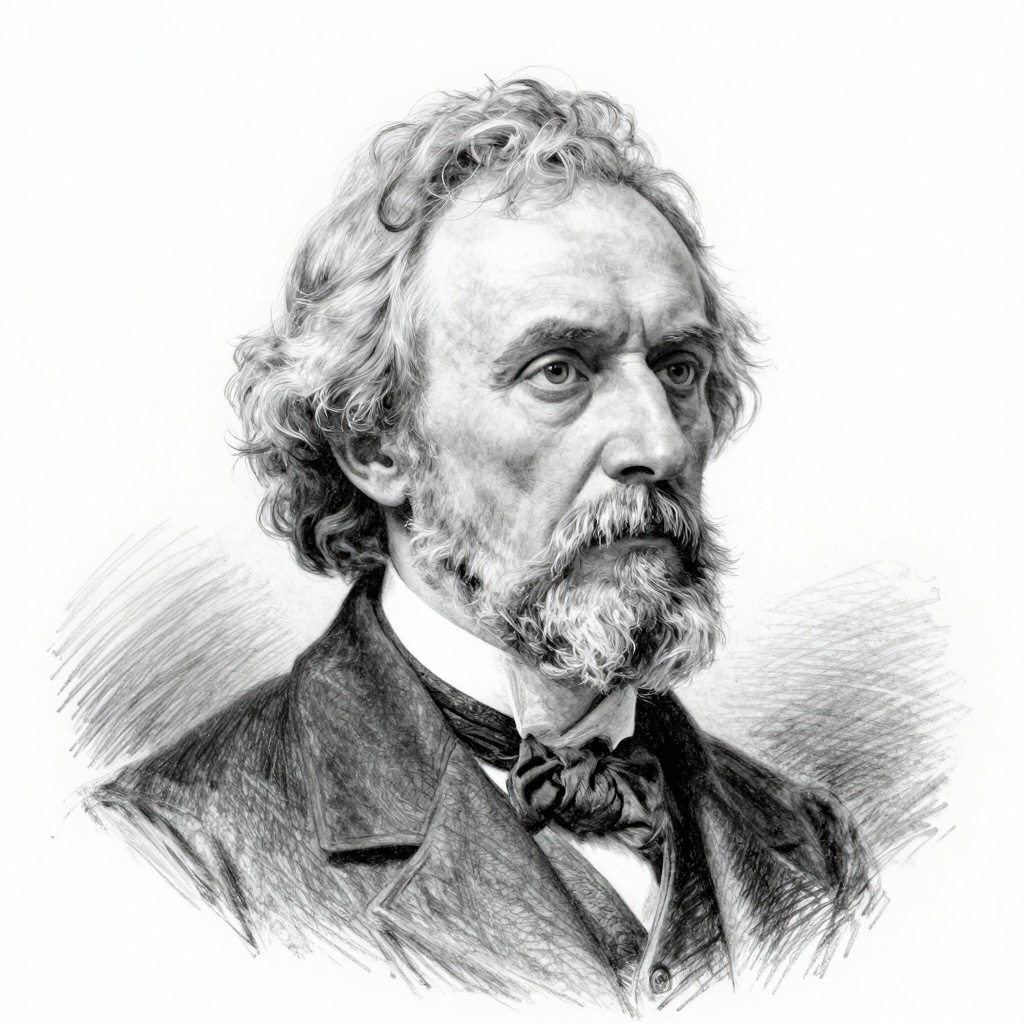
Comments