Quote · Added 14 February 2026
Shallow men believe in luck. Strong men believe in cause and effect.
Ralph Waldo EmersonEssay, 1860, Worship, The Conduct of Life, ch. 6
Quote · Added 14 February 2026
We live in an age of constant, contradictory messages about control. One moment we're told we're the architects of our destiny, the next we're scrolling past success stories that feel impossibly random. The tension Emerson identifies still runs through us: do things happen to us, or do we make them happen?
The real insight isn't that luck doesn't exist—it's about where you place your attention. Someone who attributes everything to luck stops asking the hard questions: Why did this person succeed and not me? What could I have done differently? This isn't pessimism; it's actually liberating. When you start seeing cause and effect, you realize you're not powerless. You notice patterns in your own behavior, in how you prepare for opportunities, in what you do with setbacks. You become someone who learns instead of someone who just hopes.
This doesn't mean pretending randomness never matters. Life includes genuine chance. But there's a category of things entirely within your reach—showing up consistently, building skills, making thoughtful decisions—that people often skip over in favor of waiting for their break. Emerson's point holds: believing in cause and effect changes how you move through the world. You stop waiting and start building.
1803–1882·lived 78 years
Ralph Waldo Emerson (1803–1882) was an American essayist, lecturer, and poet who led the Transcendentalist movement of the mid-19th century. He is known for his philosophical essays, particularly "Nature" and "Self-Reliance," which emphasize individualism, self-reliance, and the importance of nature as a spiritual force.
Also by Ralph Waldo Emerson
Be silly, be honest, be kind.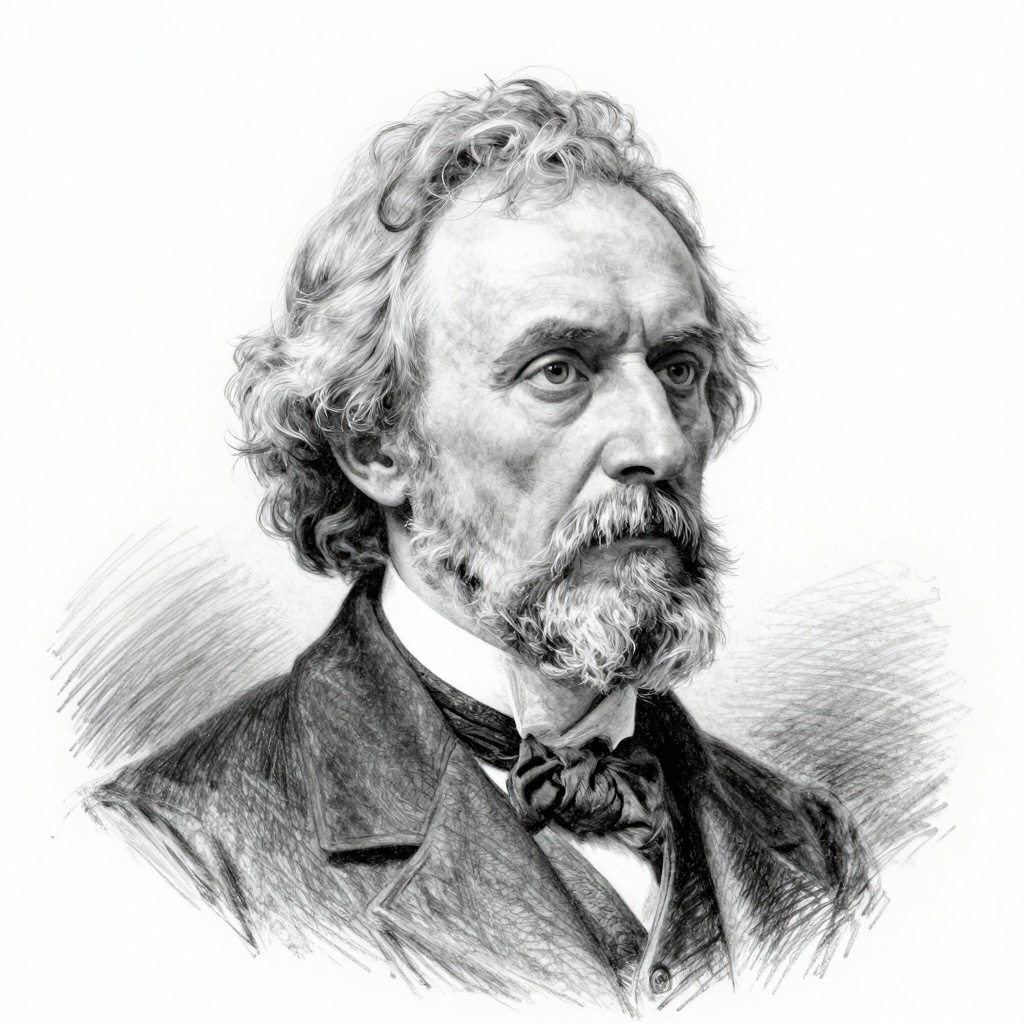
Comments