Quote · Added 14 February 2026
Poverty breeds lack of self-reliance.
Ralph Waldo EmersonSelf-Reliance, 1841
Filed underpoverty·reliance·self-esteem
Quote · Added 14 February 2026
Filed underpoverty·reliance·self-esteem
When you're struggling to cover rent or feed your family, self-reliance becomes a luxury you can't afford. Not because you lack character, but because your energy goes entirely to immediate survival—juggling bills, navigating bureaucracies, maybe working multiple jobs. There's a real psychological toll when systems keep you dependent: on food banks, on assistance programs, on lending from people who hold it over you. It's hard to feel like you're the author of your own life when you're constantly reacting to scarcity.
The harder part? This cycle gets reinforced. When people are exhausted and stretched thin, they can't invest in the skills, education, or networks that might lift them out. They can't take a calculated risk on a new opportunity because failure means disaster. So Emerson's observation, though it sounds like blame on the surface, actually points to something urgent: poverty doesn't just limit your options—it systematically erodes the psychological ground where self-reliance grows.
The counterintuitive angle here is that this isn't really about individual willpower at all. It's about recognizing that self-reliance is partly a privilege. The solution isn't inspirational quotes but structural support that actually gives people breathing room to think, plan, and build.
1803–1882·lived 78 years
Ralph Waldo Emerson (1803–1882) was an American essayist, lecturer, and poet who led the Transcendentalist movement of the mid-19th century. He is known for his philosophical essays, particularly "Nature" and "Self-Reliance," which emphasize individualism, self-reliance, and the importance of nature as a spiritual force.
Also by Ralph Waldo Emerson
Be silly, be honest, be kind.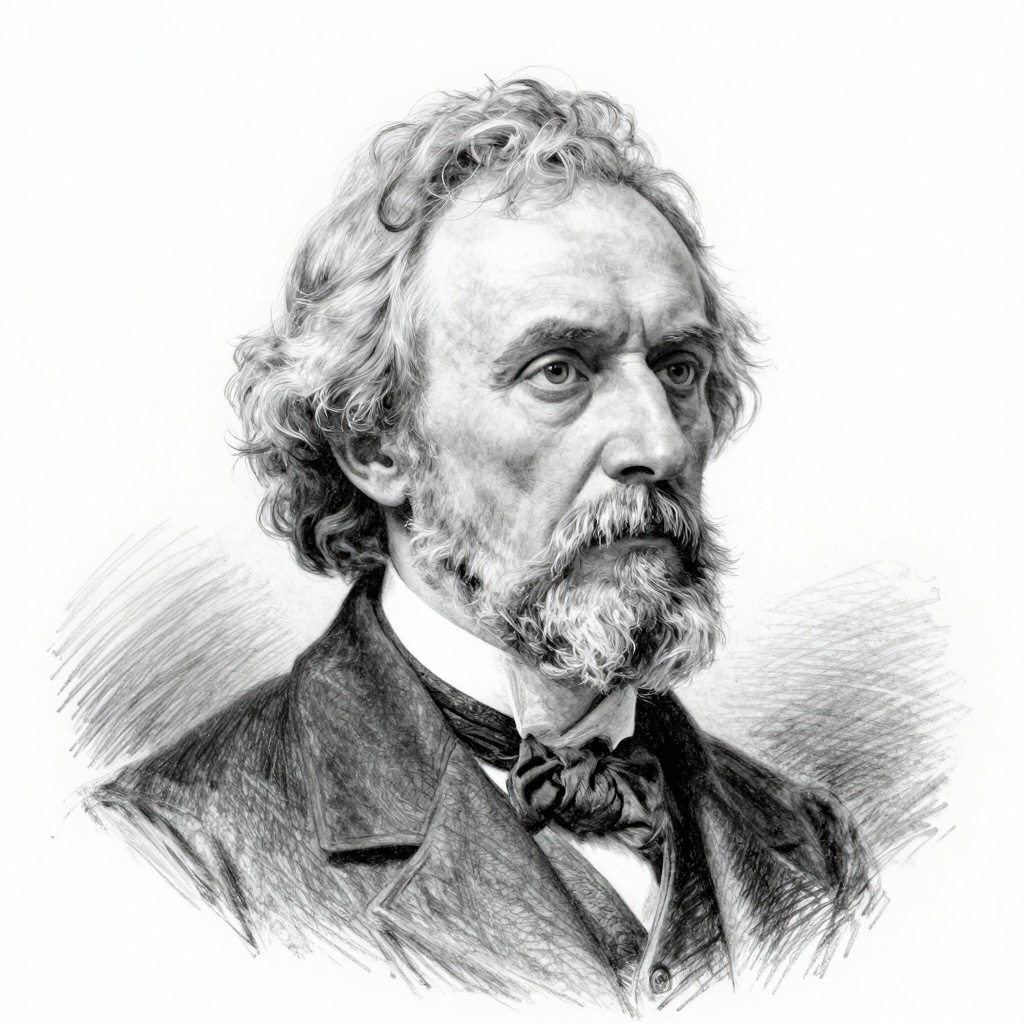
Comments