Quote · Added 8 September 2023
It is one of the blessings of old friends that you can afford to be stupid with them.
Ralph Waldo EmersonEmerson in His Journals
Filed underfriendship·trust·authenticity
Quote · Added 8 September 2023
Filed underfriendship·trust·authenticity
There's a particular freedom that comes with people who've known you for years—you can show up half-formed, tired, contradicting yourself, or just completely wrong, and they won't mistake it for who you actually are. With old friends, a bad day doesn't become your defining characteristic. A stupid comment doesn't require a full defense. You're allowed to think out loud, change your mind, or just be off without apologizing for it.
This matters more now than ever, partly because we're so careful everywhere else. At work, on social media, even with newer friends—there's always a version of yourself you're managing. The constant self-editing is exhausting. Old friendships give you permission to drop that. It's not that your friends think you're actually stupid; it's that they know you're complex enough to contain both wisdom and foolishness, and they don't confuse a single moment with your whole story.
The surprising part: this relaxation actually makes you sharper, not duller. When you're not performing, you think more clearly. You're more honest about what you don't know. And that freedom to be imperfect? It's usually what deepens friendships more than years alone ever could.
1803–1882·lived 78 years
Ralph Waldo Emerson (1803–1882) was an American essayist, lecturer, and poet who led the Transcendentalist movement of the mid-19th century. He is known for his philosophical essays, particularly "Nature" and "Self-Reliance," which emphasize individualism, self-reliance, and the importance of nature as a spiritual force.
Also by Ralph Waldo Emerson
Be silly, be honest, be kind.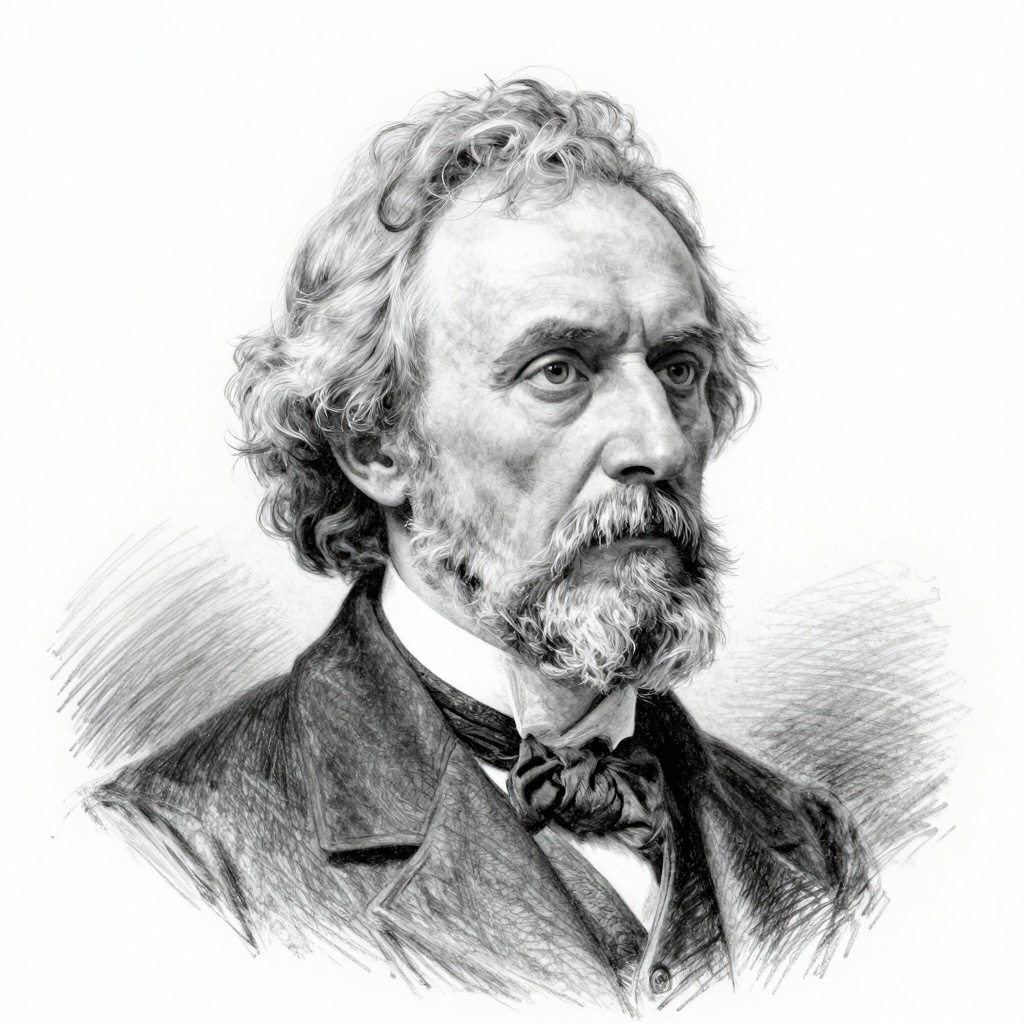
Comments