Quote · Added 14 February 2026
In skating over thin ice our safety is in our speed.
Ralph Waldo EmersonEssays: First Series, p. 45, 1841
Quote · Added 14 February 2026
There's something counterintuitive about this line that makes it stick—the idea that slowing down on thin ice is actually more dangerous than moving forward. It captures a real tension we all experience: sometimes the bravest thing isn't to pause and overthink, but to commit and move through the uncertain moment. The hesitation itself becomes the liability.
This shows up constantly in real life. The person who agonizes endlessly over a career change often gets stuck in paralysis, while someone who acts decisively (even imperfectly) often lands on their feet. The friend who second-guesses every text message to someone they like ends up never reaching out at all. We've internalized this idea that caution equals safety, but Emerson suggests that in certain high-stakes situations, our momentum is what carries us through.
The deeper insight is about confidence being functional, not just emotional. When you believe in your forward motion, you move with purpose and balance. When you doubt and slow down, you wobble. It's not about recklessness—it's about recognizing when hesitation becomes its own form of danger. Some thin ice requires you to glide across it, not tiptoe.
1803–1882·lived 78 years
Ralph Waldo Emerson (1803–1882) was an American essayist, lecturer, and poet who led the Transcendentalist movement of the mid-19th century. He is known for his philosophical essays, particularly "Nature" and "Self-Reliance," which emphasize individualism, self-reliance, and the importance of nature as a spiritual force.
Also by Ralph Waldo Emerson
Be silly, be honest, be kind.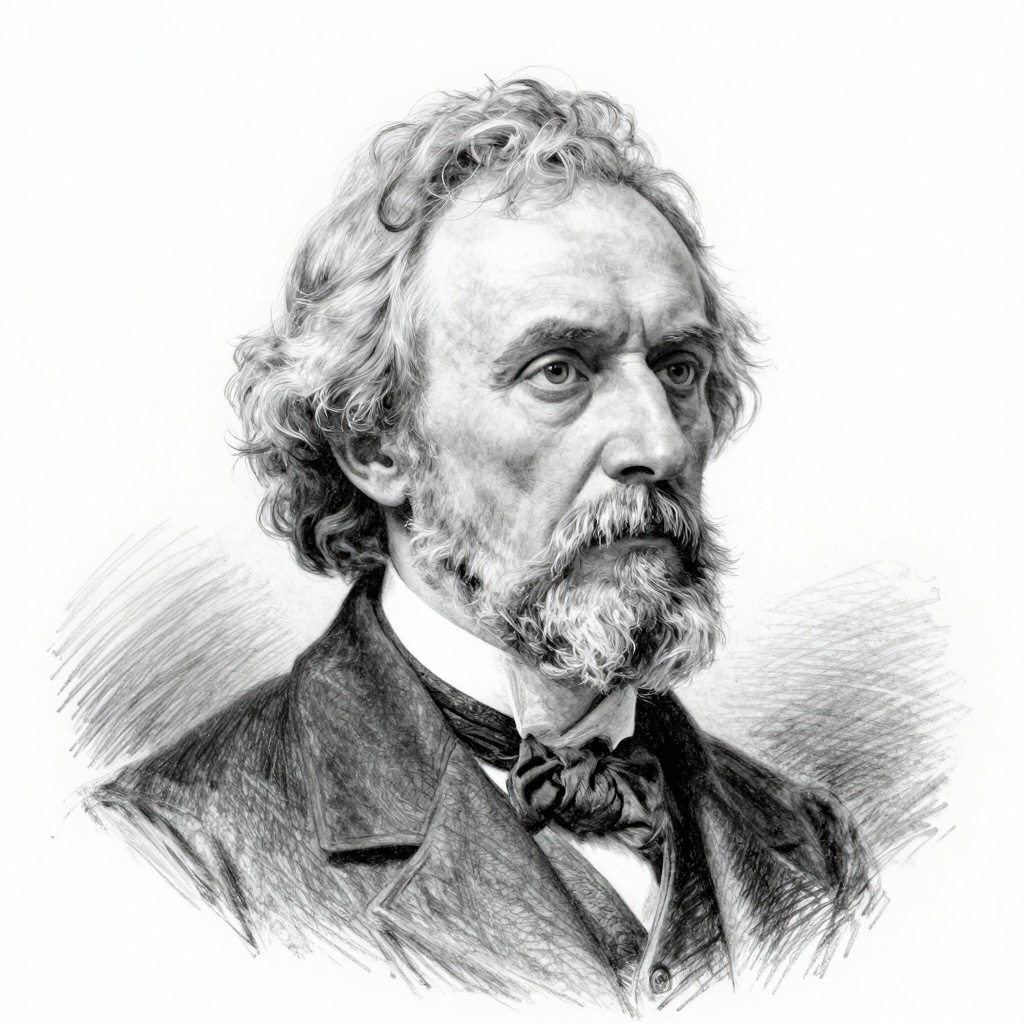
Comments