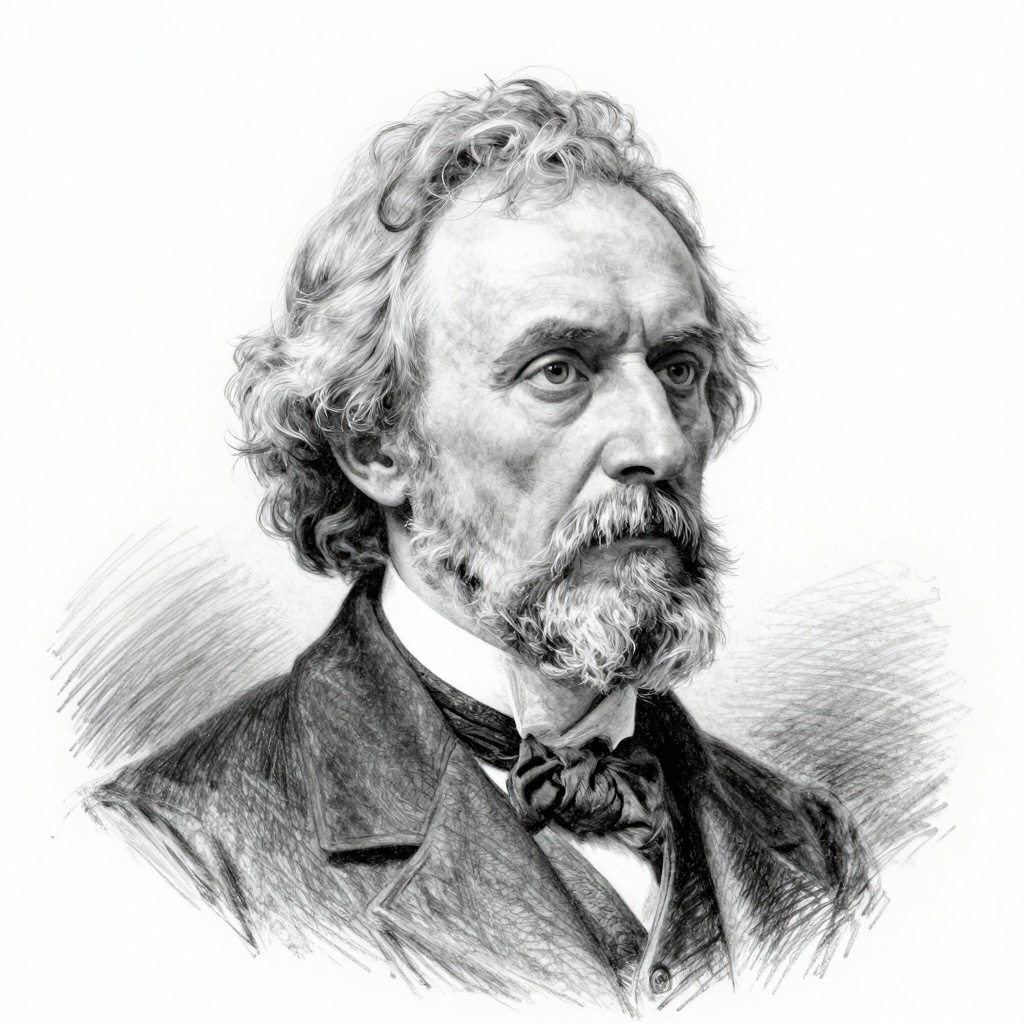
Good is positive. Evil is merely privative, not absolute: it is like cold, which is the privation of heat. All... — Ralph Waldo Emerson

Good is positive. Evil is merely privative, not absolute: it is like cold, which is the privation of heat. All evil is so much death or nonentity. Benevolence is absolute and real. So much benevolence as a man hath, so much life hath he.

Author: Ralph Waldo Emerson

Insight: There's something quietly radical about thinking of evil not as a force but as an absence—the way cold isn't really a thing trying to make itself known, but simply what happens when heat leaves. This reframes how we see harm in the world. When someone acts cruelly or selfishly, maybe they're not powered by some opposing energy; they're just running on a deficit. They're operating with less awareness, less connection, less capacity to imagine life beyond themselves. This doesn't excuse anything, but it shifts where we'd actually want to put our effort. The real insight lands in that last line: you're literally more alive when you're generous. Not in some metaphorical spiritual way, though that might be true too. But think about the texture of your own days. When you're closed off, guarded, calculating what you might lose, life feels smaller. When you actually care about someone or give something without keeping score, you notice more, feel more present, move with more energy. Benevolence isn't a moral obligation that drains you—it's what activates you. It's the opposite of depletion. This cuts against the modern instinct to see goodness as a limited resource we have to protect. Instead Emerson suggests that kindness is what makes us real, what makes us alive at all.

Goodness is what makes you alive

Good is positive. Evil is merely privative, not absolute: it is like cold, which is the privation of heat. All evil is so much death or nonentity. Benevolence is absolute and real. So much benevolence as a man hath, so much life hath he.

There's something quietly radical about thinking of evil not as a force but as an absence—the way cold isn't really a thing trying to make itself known, but simply what happens when heat leaves. This reframes how we see harm in the world. When someone acts cruelly or selfishly, maybe they're not powered by some opposing energy; they're just running on a deficit. They're operating with less awareness, less connection, less capacity to imagine life beyond themselves. This doesn't excuse anything, but it shifts where we'd actually want to put our effort.

The real insight lands in that last line: you're literally more alive when you're generous. Not in some metaphorical spiritual way, though that might be true too. But think about the texture of your own days. When you're closed off, guarded, calculating what you might lose, life feels smaller. When you actually care about someone or give something without keeping score, you notice more, feel more present, move with more energy. Benevolence isn't a moral obligation that drains you—it's what activates you. It's the opposite of depletion.

This cuts against the modern instinct to see goodness as a limited resource we have to protect. Instead Emerson suggests that kindness is what makes us real, what makes us alive at all.

AI generated

Comments

Sign in to leave a comment or reply to one.

Sign in

Ralph Waldo Emerson

Ralph Waldo Emerson (1803–1882) was an American essayist, lecturer, and poet who led the Transcendentalist movement of the mid-19th century. He is known for his philosophical essays, particularly "Nature" and "Self-Reliance," which emphasize individualism, self-reliance, and the importance of nature as a spiritual force.

Graph

Related