Quote · Added 28 February 2026
Explore
Reading
AI generatedRegret stops here tonight
Most of us carry our mistakes forward like luggage we never set down. We replay an awkward conversation during dinner, rehash a work failure while trying to sleep, and let yesterday's regret bleed into today's opportunities. Emerson's advice sounds simple—just... stop. Finish the day. But there's something quietly radical in that permission.
The real insight isn't about forgetting or avoiding responsibility. It's recognizing that clinging to what you couldn't control yesterday actually steals energy from what you can control today. When you've genuinely done what you could with the information and resources you had, continuing to mentally litigate the case doesn't make you more conscientious—it just makes you tired and less creative tomorrow. The people who seem to move through life with resilience aren't people without regrets; they're people who know how to extract the lesson and release the weight.
This matters especially now, when we can scroll through our mistakes indefinitely and compare them to everyone else's highlight reels. There's a specific kind of clarity that comes from drawing a line. Not pretending the mistake didn't happen, but deciding it doesn't get to keep happening in your head after midnight. That shift from punishment to learning, from reliving to reflecting—that's where tomorrow actually becomes new.
The author
All 110 quotes by Ralph Waldo Emerson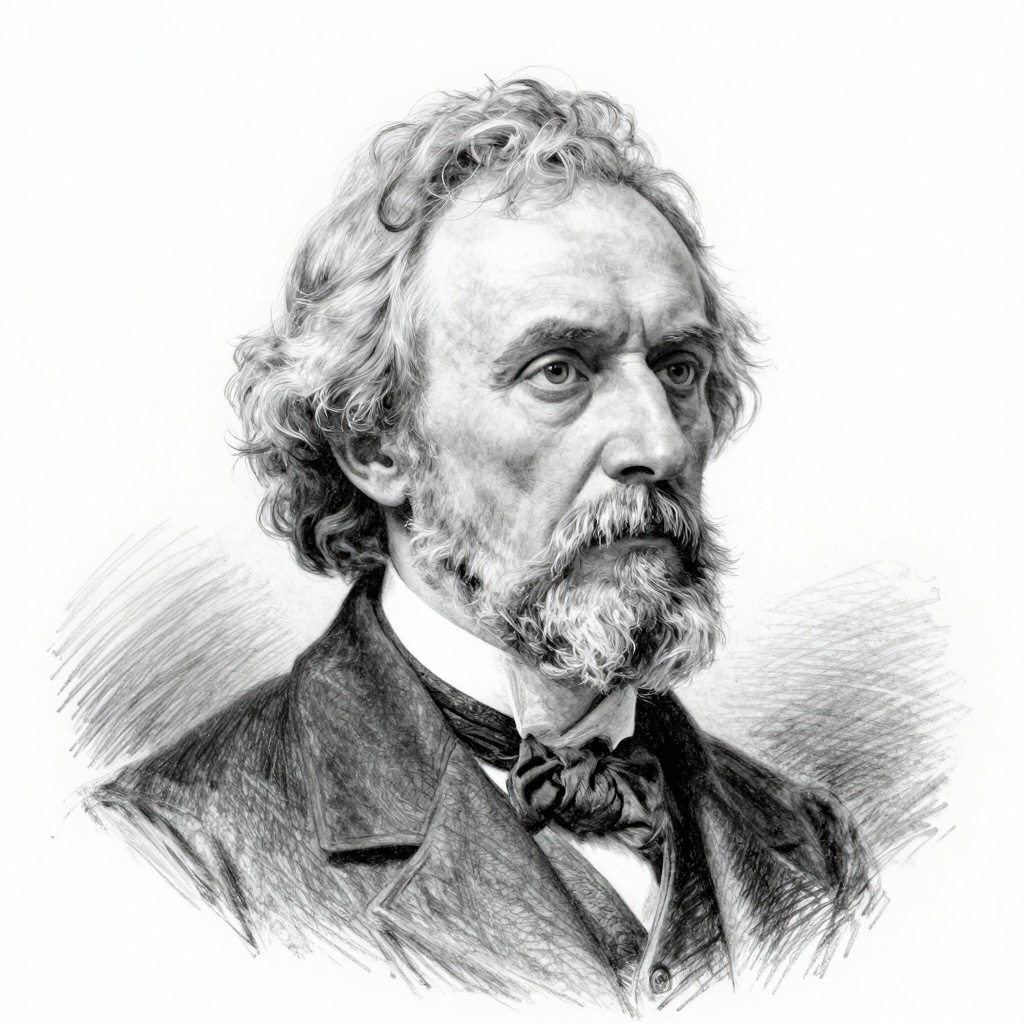
Ralph Waldo Emerson
1803–1882·lived 78 years
Ralph Waldo Emerson (1803–1882) was an American essayist, lecturer, and poet who led the Transcendentalist movement of the mid-19th century. He is known for his philosophical essays, particularly "Nature" and "Self-Reliance," which emphasize individualism, self-reliance, and the importance of nature as a spiritual force.
Also by Ralph Waldo Emerson
Be silly, be honest, be kind.
Comments