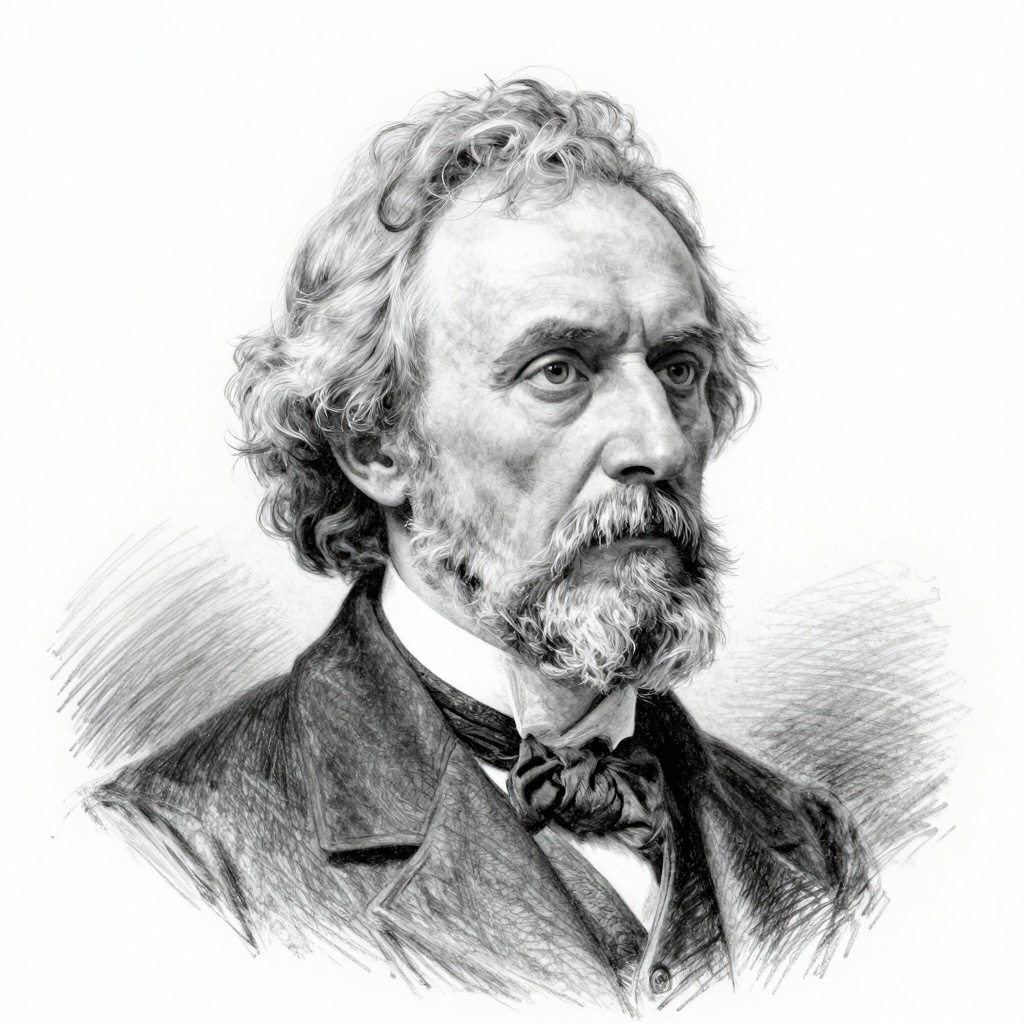
Finish each day and be done with it. You have done what you could. Some blunders and absurdities no doubt crep... — Ralph Waldo Emerson

Finish each day and be done with it. You have done what you could. Some blunders and absurdities no doubt crept in; forget them as soon as you can. Tomorrow is a new day. You shall begin it serenely and with too high a spirit to be encumbered with your old nonsense.

Author: Ralph Waldo Emerson

Insight: Most of us lie awake replaying conversations we botched or decisions we second-guessed, as if somehow rewinding the mental tape will change what already happened. Emerson's advice cuts straight through that exhausting loop: at some point, you have to declare the day over. Not in a careless way, but in a clear-eyed one—you did what you could with what you knew at the time, mistakes included, and that's simply enough. The tricky part isn't understanding this intellectually; it's actually practicing it. Our brains are wired to latch onto failures and oddities, to chew on them long into the evening. But Emerson suggests something almost defiant here: you don't have to carry yesterday's weight into tomorrow morning. Letting go isn't weakness or avoidance—it's the only way to show up with real energy instead of dragging yourself through the day half-depleted by old regrets. The "serenity" he mentions isn't about not caring. It's about caring enough to learn from your mistakes, then genuinely releasing them so you can think clearly about what comes next. Each morning really does offer a clean slate, but only if you stop treating yesterday like an unfinished project.

Declare the Day Over

Finish each day and be done with it. You have done what you could. Some blunders and absurdities no doubt crept in; forget them as soon as you can. Tomorrow is a new day. You shall begin it serenely and with too high a spirit to be encumbered with your old nonsense.

Most of us lie awake replaying conversations we botched or decisions we second-guessed, as if somehow rewinding the mental tape will change what already happened. Emerson's advice cuts straight through that exhausting loop: at some point, you have to declare the day over. Not in a careless way, but in a clear-eyed one—you did what you could with what you knew at the time, mistakes included, and that's simply enough.

The tricky part isn't understanding this intellectually; it's actually practicing it. Our brains are wired to latch onto failures and oddities, to chew on them long into the evening. But Emerson suggests something almost defiant here: you don't have to carry yesterday's weight into tomorrow morning. Letting go isn't weakness or avoidance—it's the only way to show up with real energy instead of dragging yourself through the day half-depleted by old regrets.

The "serenity" he mentions isn't about not caring. It's about caring enough to learn from your mistakes, then genuinely releasing them so you can think clearly about what comes next. Each morning really does offer a clean slate, but only if you stop treating yesterday like an unfinished project.

AI generated

Comments

Sign in to leave a comment or reply to one.

Sign in

Ralph Waldo Emerson

Ralph Waldo Emerson (1803–1882) was an American essayist, lecturer, and poet who led the Transcendentalist movement of the mid-19th century. He is known for his philosophical essays, particularly "Nature" and "Self-Reliance," which emphasize individualism, self-reliance, and the importance of nature as a spiritual force.

Graph

Related