Quote · Added 14 February 2026
Character is higher than intellect. A great soul will be strong to live as well as think.
Ralph Waldo EmersonThe American Scholar, 1837
Quote · Added 14 February 2026
We live in an age that worships cleverness. The smartest person in the room gets the attention, the job, the platform. But Emerson's reminder cuts against that current: knowing what's right matters far less than actually doing it. You can understand philosophy perfectly and still betray a friend. You can have a brilliant mind and weak convictions that crumble the moment life gets uncomfortable.
What makes this distinction so relevant now is how easy it's become to confuse understanding with action. We read self-help books, watch TED talks, consume wisdom from our phones—and somehow feel like we've grown, without anything actually changing in how we move through the world. Real character shows up in the friction points: when you're exhausted but keep a promise anyway, when you admit you were wrong despite it stinging, when you choose kindness even when nobody's watching.
Emerson suggests that a "great soul" needs both brains and backbone. The non-obvious part? Sometimes the better choice requires less intelligence, not more. It asks you to be strong enough to act on what you already know is right, rather than endlessly thinking your way toward an excuse.
1803–1882·lived 78 years
Ralph Waldo Emerson (1803–1882) was an American essayist, lecturer, and poet who led the Transcendentalist movement of the mid-19th century. He is known for his philosophical essays, particularly "Nature" and "Self-Reliance," which emphasize individualism, self-reliance, and the importance of nature as a spiritual force.
Also by Ralph Waldo Emerson
Be silly, be honest, be kind.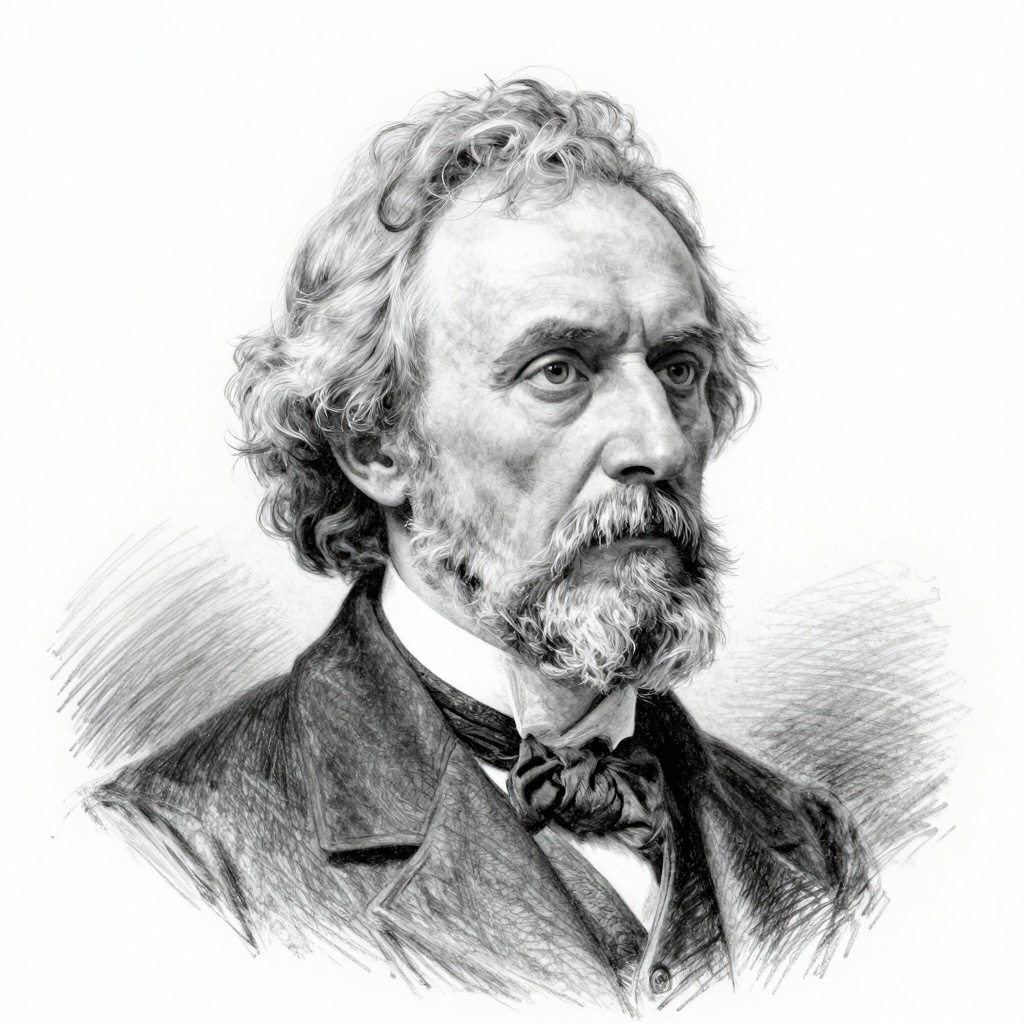
Comments