Quote · Added 15 February 2026
Explore
Reading
AI generatedThe Single Enemy We Can't Defeat
There's something darkly honest about Emerson's observation that feels especially true the older you get. We spend so much energy treating symptoms—managing blood pressure, fighting inflammation, strengthening bones—as if they're separate problems requiring separate solutions. But he's pointing at something deeper: all of these things are just what happens when your body's systems gradually lose their coordination and resilience. You're not fighting a dozen different enemies; you're watching a single slow fade.
What makes this quote sting a little is how it suggests that modern medicine's greatest achievement—extending our lifespans—doesn't really solve the fundamental problem. We've gotten better at postponing, managing, and adapting, but we haven't outsmarted time itself. The irony is that this realization can be oddly liberating. Once you accept that aging is the underlying condition we're all in, it changes how you think about small health choices. You're not trying to win a battle against disease; you're trying to stay sharp and present for as long as possible.
It's a reminder that mortality isn't something that happens at the end—it's happening all along, quietly, and that's not a bug in the system. It's the system.
The author
All 110 quotes by Ralph Waldo Emerson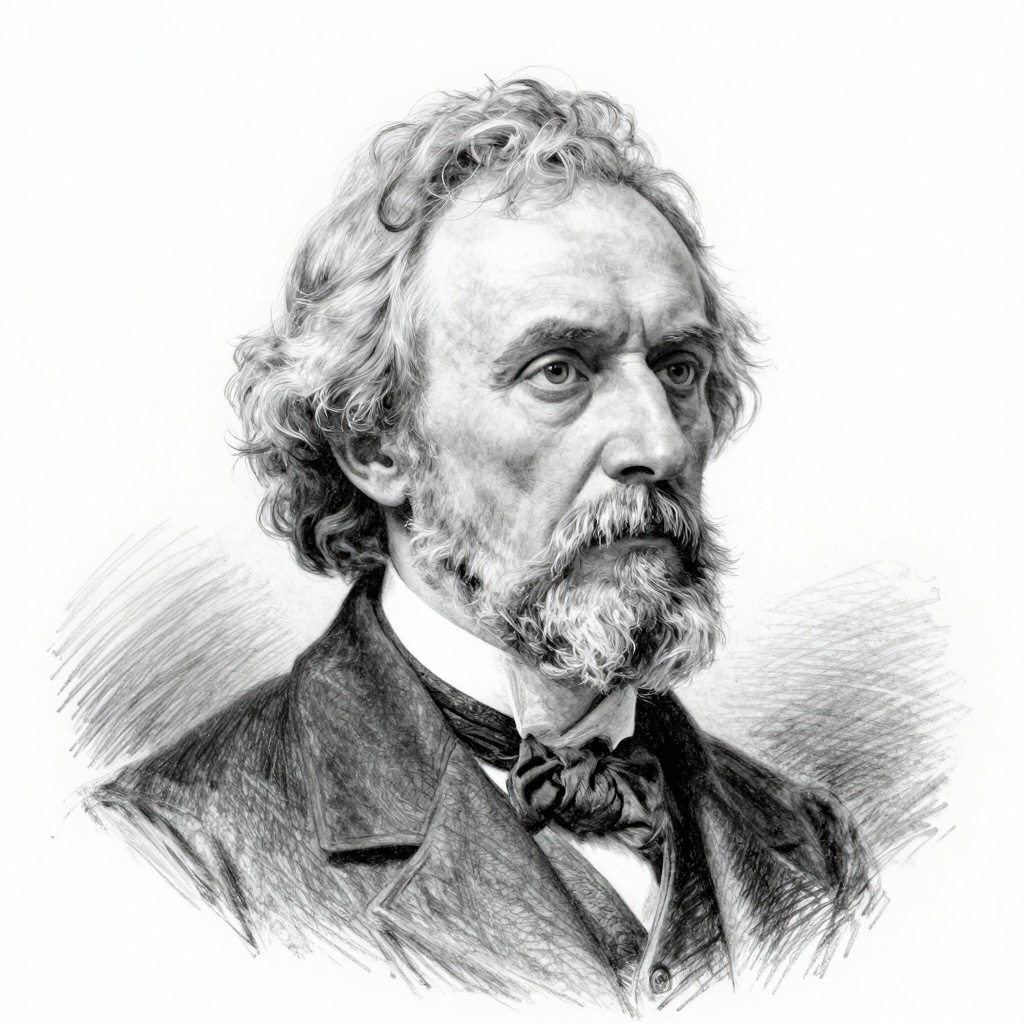
Ralph Waldo Emerson
1803–1882·lived 78 years
Ralph Waldo Emerson (1803–1882) was an American essayist, lecturer, and poet who led the Transcendentalist movement of the mid-19th century. He is known for his philosophical essays, particularly "Nature" and "Self-Reliance," which emphasize individualism, self-reliance, and the importance of nature as a spiritual force.
Also by Ralph Waldo Emerson
Be silly, be honest, be kind.
Comments