Quote · Added 14 February 2026
A hero is no braver than an ordinary man, but he is brave five minutes longer.
Ralph Waldo EmersonTemple Bar, May 1878
Filed underhero·bravery·perseverance
Quote · Added 14 February 2026
Filed underhero·bravery·perseverance
Most of us think courage is something you either have or don't—that brave people feel fearless while the rest of us feel afraid. But this quote flips that idea completely. It suggests that heroism isn't about not feeling scared. It's about what you do with the fear when it shows up, and crucially, for how long you're willing to sit with it.
That five-minute difference matters more than we realize. It's the firefighter who runs into the building even though every instinct screams to stay put. It's the person who speaks up in a meeting when they're trembling inside. It's finishing the difficult conversation instead of walking away. Everyone feels the urge to quit; heroes just let the feeling pass without acting on it. They've trained themselves—or simply chosen—to be uncomfortable for a little longer than the impulse to escape.
This is weirdly hopeful because it means courage isn't a mysterious trait you're born with. It's a practice. Anyone can hold on five minutes longer. Anyone can sit with fear instead of running from it. That small extension of tolerance, repeated over time, is what separates the people who attempt big things from those who watch from the sidelines.
1803–1882·lived 78 years
Ralph Waldo Emerson (1803–1882) was an American essayist, lecturer, and poet who led the Transcendentalist movement of the mid-19th century. He is known for his philosophical essays, particularly "Nature" and "Self-Reliance," which emphasize individualism, self-reliance, and the importance of nature as a spiritual force.
Also by Ralph Waldo Emerson
Be silly, be honest, be kind.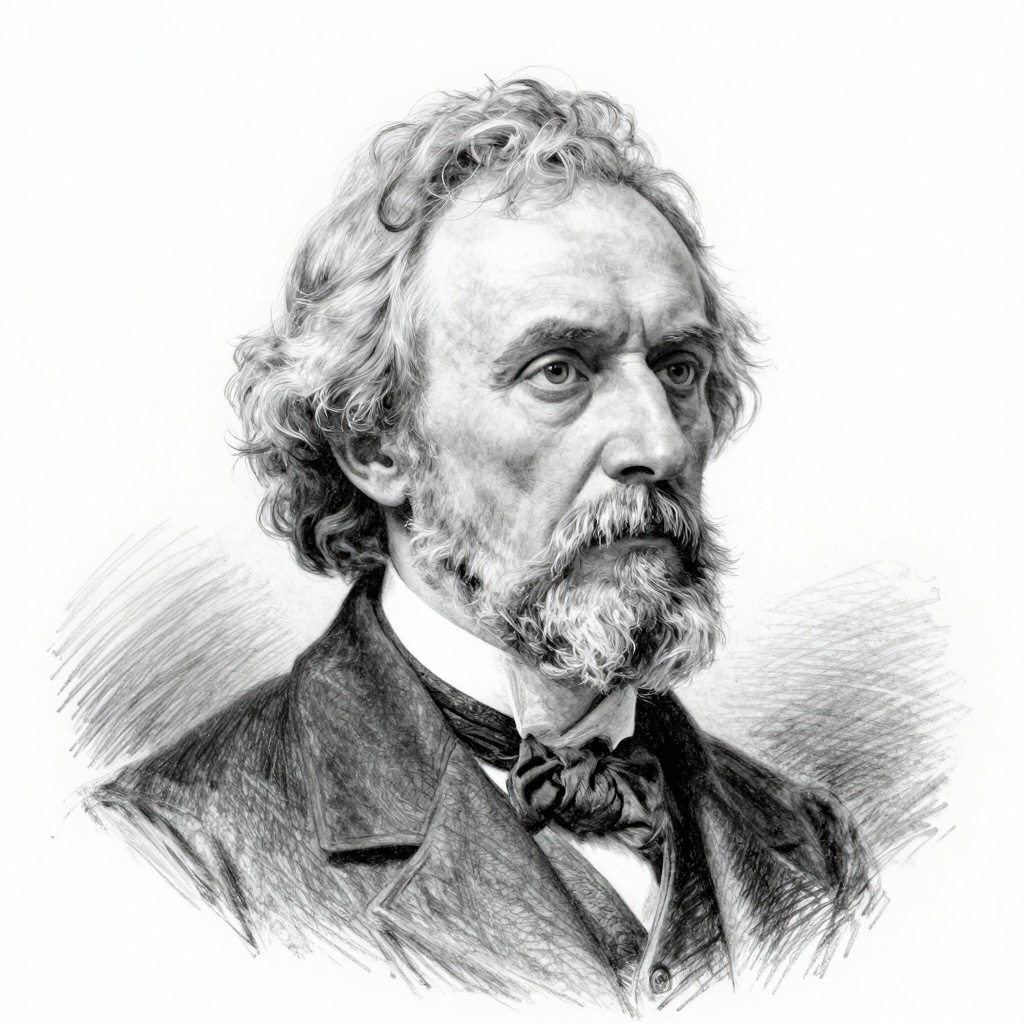
Comments