Quote · Added 14 February 2026
A great part of courage is the courage of having done the thing before.
Ralph Waldo EmersonEssay, 1860, Culture, The Conduct of Life, ch. 4
Filed undercourage·experience·strength
Quote · Added 14 February 2026
Filed undercourage·experience·strength
There's something almost deceptive about how courage works. We imagine it as this heroic moment where fear vanishes and we charge forward anyway—but actually, the real secret to bravery is much simpler and more practical. Courage builds on itself. The first time you speak up in a meeting or ask someone out or admit you were wrong, your hands shake. But the second time? Your nervous system already has a memory. Your body knows you survived it. That repetition rewires what feels possible.
This is why people who seem naturally confident often aren't—they've just done the scary thing enough times that it stopped feeling foreign. A surgeon's hands are steady during surgery not because she's fearless, but because she's performed the procedure hundreds of times. A parent knows how to handle their teenager's crisis partly because they've weathered smaller storms before. Each small act of courage deposits a little credit in your account, making the next one slightly less terrifying.
The counterintuitive part: you don't need to feel brave to do brave things. You just need to do them once, badly if necessary. Then you can do it again. And somewhere around the third or fourth time, you'll notice something's shifted. The courage wasn't something you found—it was something you built.
1803–1882·lived 78 years
Ralph Waldo Emerson (1803–1882) was an American essayist, lecturer, and poet who led the Transcendentalist movement of the mid-19th century. He is known for his philosophical essays, particularly "Nature" and "Self-Reliance," which emphasize individualism, self-reliance, and the importance of nature as a spiritual force.
Also by Ralph Waldo Emerson
Be silly, be honest, be kind.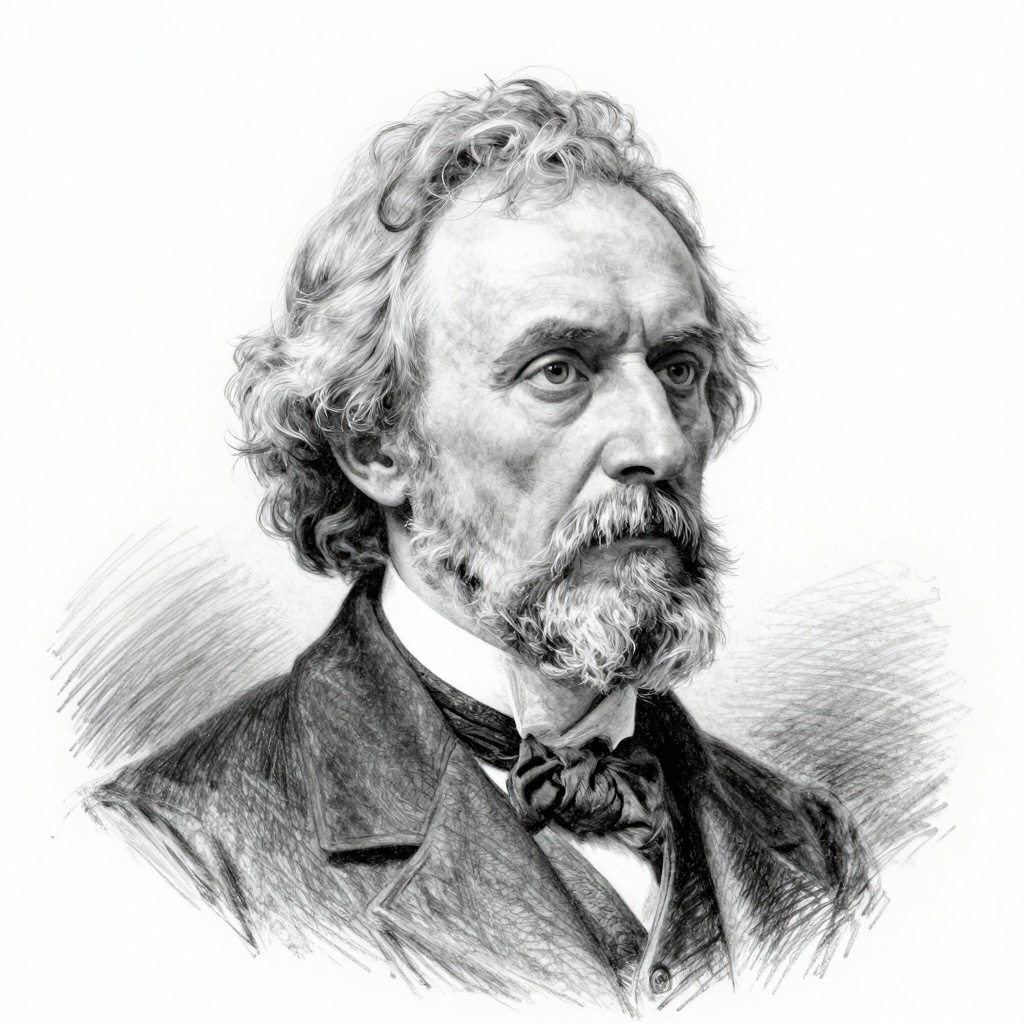
Comments