Quote · Added 14 February 2026
Respect is what we owe; love, what we give.
Philip James BaileyFestus, p. 123, 1839
No ratings yet
Quote · Added 14 February 2026
Most of us grow up confused about this. We treat respect like something earned only by the exceptional—the boss, the celebrity, the person who's already proven themselves. But respect isn't a reward system. It's the basic acknowledgment that everyone deserves to be treated as fundamentally human, whether they're brilliant or struggling, famous or invisible. You respect the checkout clerk and the CEO with the same underlying principle: they exist, they matter, and they deserve your basic decency.
Love, though—that's the wild card. Love is what you actively choose to give. It's the warmth you create for people, not something owed by contract or duty. You can respect someone completely while feeling no particular affection. And that's okay. The confusion happens when we expect love to automatically follow respect, or we withhold respect because we don't love someone.
This distinction actually frees us. It means you can walk through the world offering respect to everyone—the difficult family member, the stranger, the person who disagrees with you—without burning out. Respect is the baseline. Love is the overflow, reserved for those we genuinely nurture. One is moral minimum. The other is what makes life warm.
1816–1902·lived 86 years
Philip James Bailey was an English poet, best known for his long poem "Festus", which was first published in 1839. Bailey's work combined philosophical and spiritual themes, and he became recognized for his lyrical and imaginative poetry during the Victorian era.
Also by Philip James Bailey
Simplicity is natures first step, and the last of art.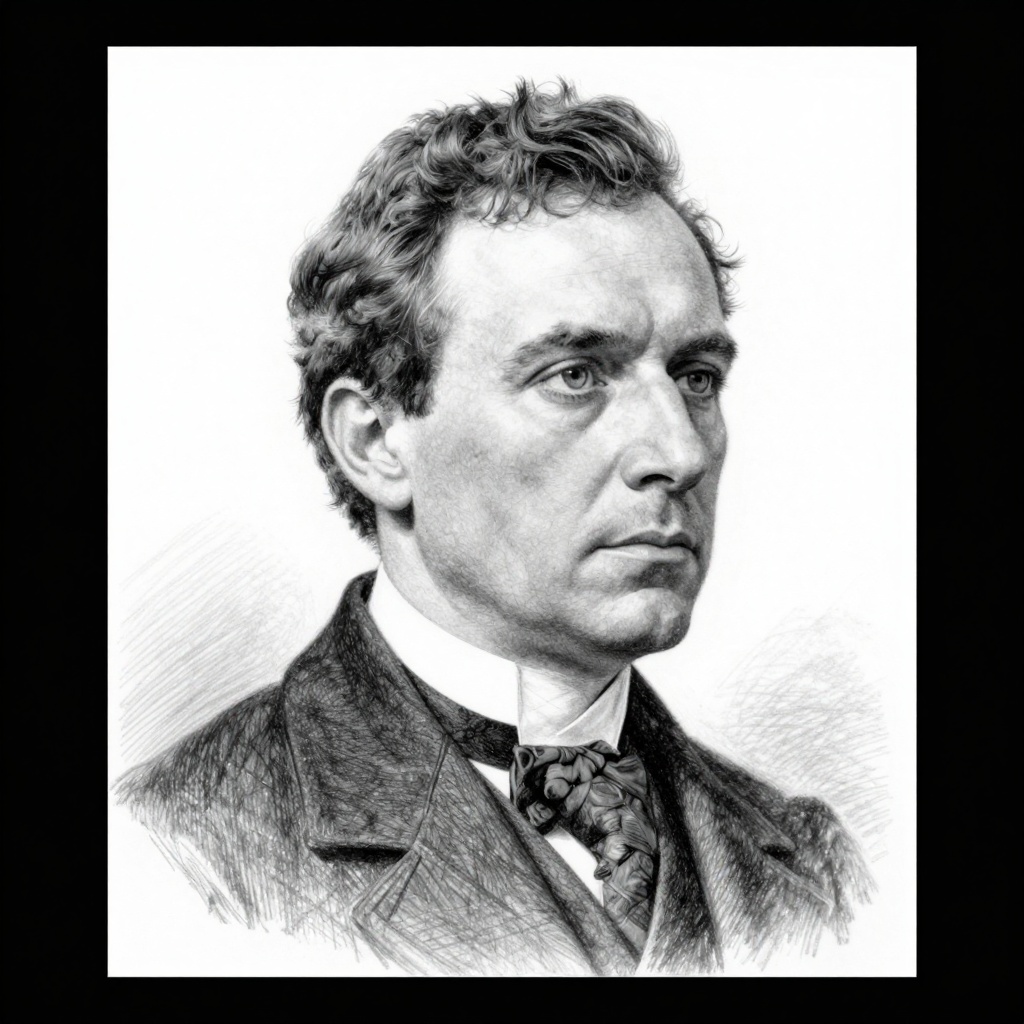
Comments