Quote · Added 9 February 2026
Simplicity is natures first step, and the last of art.
Philip James BaileyFestus, p. 123, 1839
No ratings yet
Filed undersimplicity·nature·art
Quote · Added 9 February 2026
Filed undersimplicity·nature·art
We live in an age that mistakes complexity for intelligence. More features, more options, more content—we assume that's better, smarter, more valuable. But anyone who's actually tried to use a product with too many buttons or read an explanation that circles back on itself knows the truth: simplicity is genuinely hard to create. It requires stripping away everything unnecessary until only the essential remains.
The real insight here is that simplicity isn't laziness or limitation. It's the opposite. Nature arrives at elegant solutions—a tree's branch structure, the spiral of a shell—through millions of years of refinement. Artists and craftspeople spend entire careers learning to eliminate the superfluous. The messy first draft is easy. Getting to the one perfect sentence takes discipline and restraint.
This matters in how we communicate with loved ones, how we design our days, even how we think through problems. Before you add another rule, another task, another explanation, ask yourself: what's the irreducible core? What can I remove? That question—asked honestly—often leads us closer to clarity than adding anything ever could.
1816–1902·lived 86 years
Philip James Bailey was an English poet, best known for his long poem "Festus", which was first published in 1839. Bailey's work combined philosophical and spiritual themes, and he became recognized for his lyrical and imaginative poetry during the Victorian era.
Also by Philip James Bailey
Respect is what we owe; love, what we give.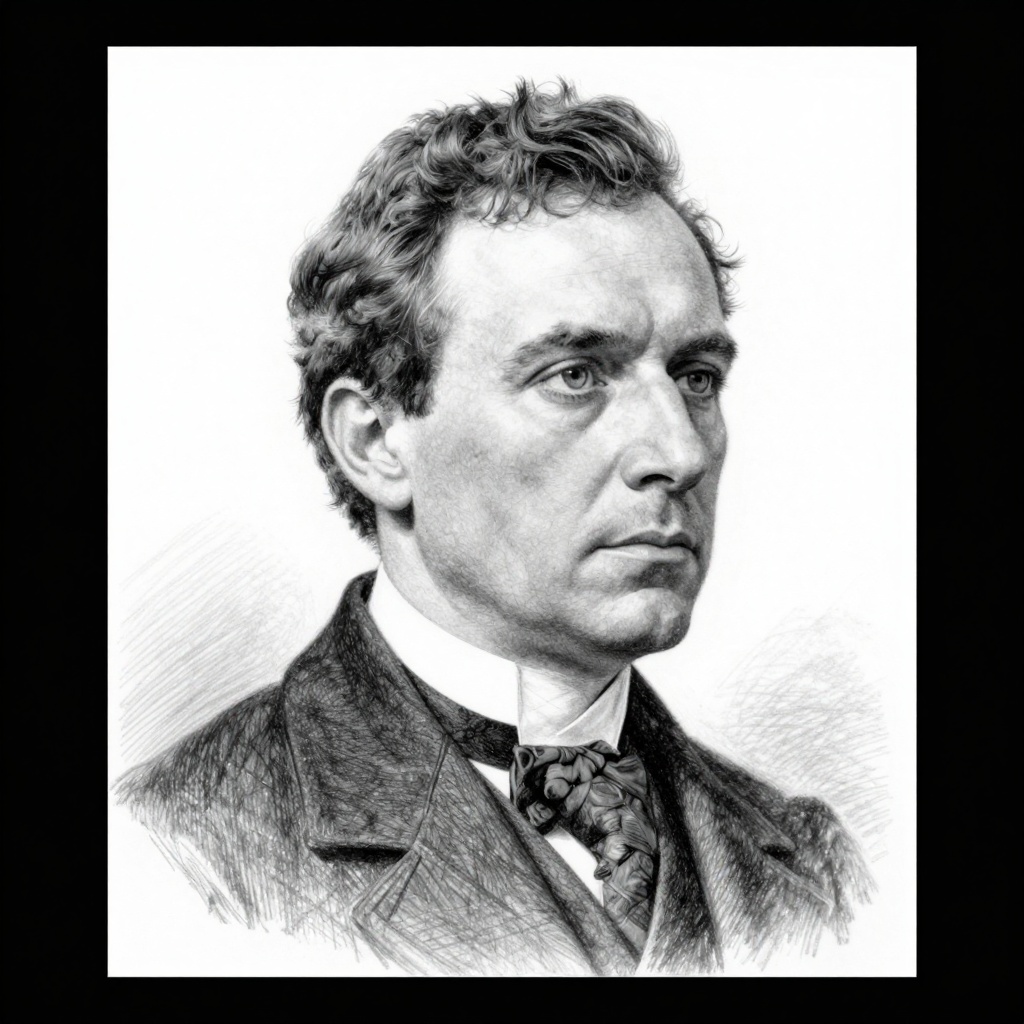
Comments